
News

​The Growing Role of Waterproof Temperature Sensors in Smart Appliances and Cold Chain Logistics

In today’s interconnected world, the demand for precise and reliable temperature monitoring has never been higher. Waterproof temperature sensors, particularly those utilizing TPE (Thermoplastic Elastomer) and NTC (Negative Temperature Coefficient) technologies, are at the forefront of this revolution. These sensors are transforming industries such as refrigeration, freezers, aquariums, and IoT devices by offering unparalleled accuracy, durability, and adaptability. Understanding Waterproof TPE/NTC Sensors Waterproof TPE/NTC sensors are designed to operate in challenging environments where moisture and temperature fluctuations are common. The TPE material provides flexibility and resistance to water ingress, while the NTC thermistor ensures accurate temperature readings. These sensors are
Why Custom Temperature Sensors Are the Future of Precision Monitoring 🌡️⚙️

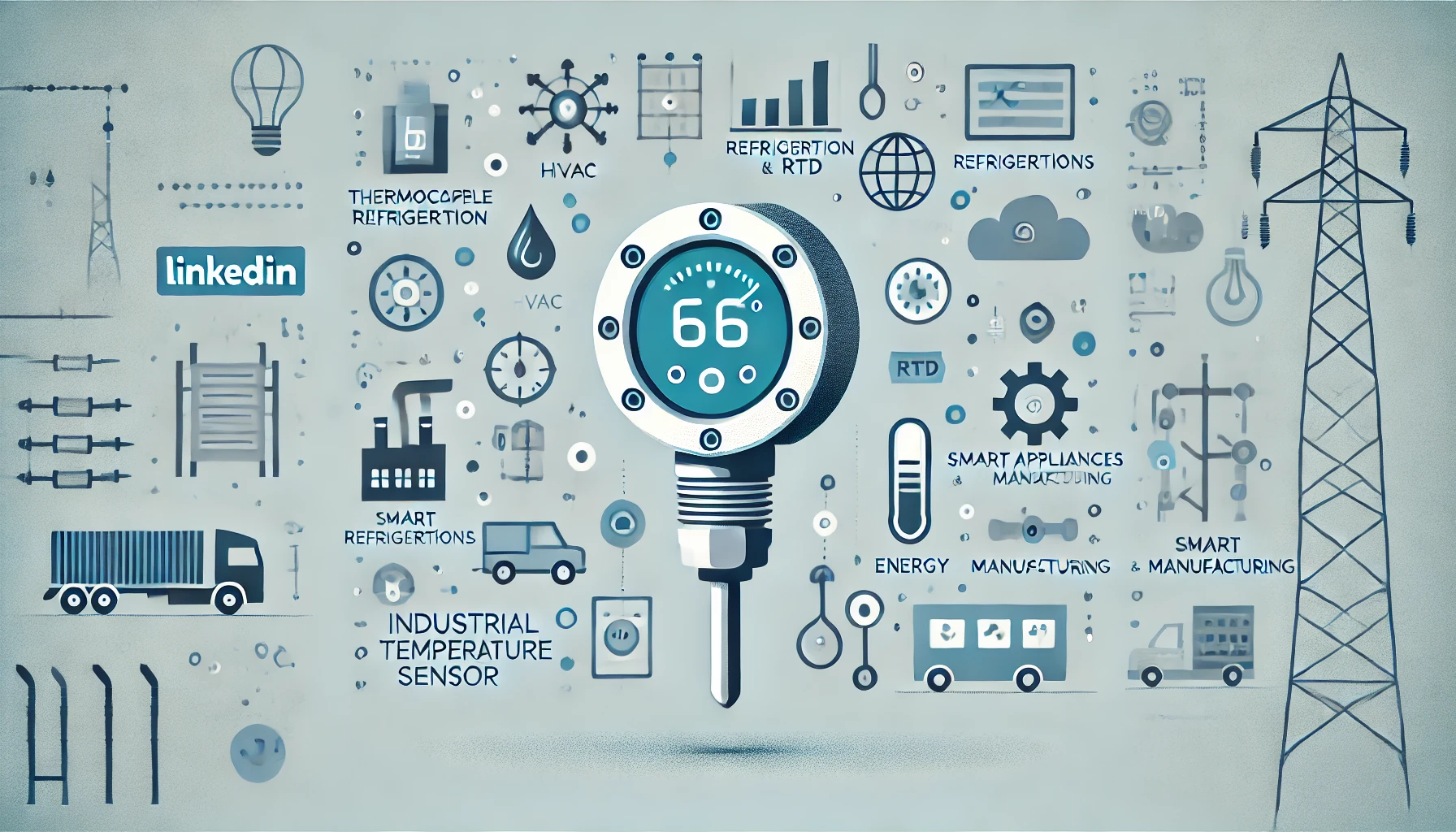
In today’s rapidly evolving industrial landscape, precision temperature monitoring is more important than ever. Off-the-shelf sensors often fail to meet the unique demands of specialized applications, leading to inefficiencies, inaccuracies, and reduced equipment lifespan. This is where custom temperature sensors come into play — offering tailor-made solutions that elevate performance, reliability, and even competitive advantage. The Limitations of Standard Temperature Sensors Standard sensors are designed for general-purpose use, but industrial environments are rarely standard. From extreme heat and vibration to corrosive atmospheres and compact installation spaces, specialized applications require more than a one-size-fits-all approach. Why Custom Temperature Sensors Matter? Custom

How to Choose Between PT100, Thermocouple, and NTC Sensors

When it comes to measuring temperature in various applications, selecting the right sensor is critical for achieving precision, reliability, and efficiency. Among the most popular options are PT100 sensors, thermocouples (such as the Type K thermocouple), and NTC sensors. Each of these has unique characteristics that make it suitable for specific scenarios. This article explores the differences between these sensors, including their strengths and weaknesses, and provides insights into their practical use with keywords like high accuracy temperature sensor, Type K thermocouple for industrial use, how to calibrate PT100 sensor, and NTC temperature sensor datasheet. Understanding PT100 Sensors A PT100

Type K vs. Type J Thermocouple: Which is Better for Your Application?

When selecting a thermocouple for temperature measurement, two of the most common choices are Type K and Type J. Both have distinct advantages and limitations depending on the environment and specific industrial applications. Understanding their differences is essential to choosing the right thermocouple for your needs. This article provides a detailed comparison of Type K and Type J thermocouples, including real-world case studies, industry-specific applications, and expert insights. 1. Overview of Thermocouples and Their Importance Thermocouples are widely used temperature sensors that measure heat based on the Seebeck effect—when two different metals generate voltage corresponding to temperature. They are highly

How to Extend Thermocouple Lifespan in High-Temperature Environments

Thermocouples are essential tools in high-temperature industrial applications, providing accurate temperature measurements critical for process control and safety. However, their lifespan can be significantly affected by harsh operating conditions. This article explores strategies to extend the lifespan of thermocouples in high-temperature environments, supported by industry case studies and insights. Understanding Thermocouple Degradation Mechanisms Thermocouples operate based on the Seebeck effect, where two dissimilar metals produce a voltage proportional to temperature differences. In high-temperature settings, several degradation mechanisms can impair their performance: Oxidation and Corrosion: Exposure to oxidizing atmospheres can deteriorate thermocouple materials, leading to measurement inaccuracies. Drift: Prolonged exposure to

Understanding Thermocouple Calibration: Why It’s Crucial for Accuracy

In industries where temperature plays a critical role in process control, the ability to measure temperature with high precision is essential. Thermocouples are among the most widely used temperature sensors due to their versatility, robustness, and cost-effectiveness. However, for them to provide accurate and reliable readings, proper calibration is vital. Without thermocouple calibration, temperature measurements may be inaccurate, which can lead to inefficient processes, product defects, and even equipment damage. In this blog post, we will delve into the importance of thermocouple calibration, explore why it’s necessary for accurate temperature measurements, and discuss the different factors that influence calibration. Additionally,

Why High-Temperature Thermocouples Are Essential for Extreme Environments

In industries where temperature measurement plays a crucial role, high-temperature thermocouples are indispensable tools. These sensors are engineered to operate efficiently in environments where extreme temperatures, ranging from hundreds to thousands of degrees Celsius, need to be monitored precisely. Thermocouples, in particular, are essential for ensuring the accuracy of temperature readings in extreme settings, such as aerospace, metallurgy, power generation, and chemical processing. In this blog, we’ll dive into why high-temperature thermocouples are vital for extreme environments, the benefits they offer, their applications, and what industries rely on them most. What is a Thermocouple? A thermocouple is a type of

The Engineer’s Guide to Preventing PT100 Sensor Failures in High-Vibration Environments

When it comes to temperature measurement in industrial settings, PT100 sensors are renowned for their accuracy, stability, and wide temperature range. However, in high-vibration environments—such as manufacturing plants, automotive testing, or heavy machinery—these sensors can face significant challenges that lead to premature failure or measurement inaccuracies. In this guide, we’ll explore the common causes of PT100 sensor failures in high-vibration environments and provide actionable solutions to ensure reliable performance and longevity. Whether you’re an engineer, a procurement manager, or a system integrator, this guide will help you optimize your temperature measurement systems. Why PT100 Sensors Fail in High-Vibration Environments 1.

Understanding Thermocouples: A Beginner’s Guide to Their Functionality and Applications

Thermocouples are essential devices used for temperature measurement, converting thermal energy into electrical voltage. They consist of two different metals joined at one end, creating a junction that produces a voltage correlated to the temperature difference between the junction and the reference end. These temperature sensors are valued for their wide range, durability, and quick response times in various applications. In numerous industries, thermocouples play a crucial role in monitoring and controlling temperatures, ensuring processes run efficiently and safely. They are commonly found in manufacturing, HVAC systems, and scientific research settings. By understanding how thermocouples work and where they can be

The Electronic Component Industry Trends: Insights into Current Dynamics and Future Directions

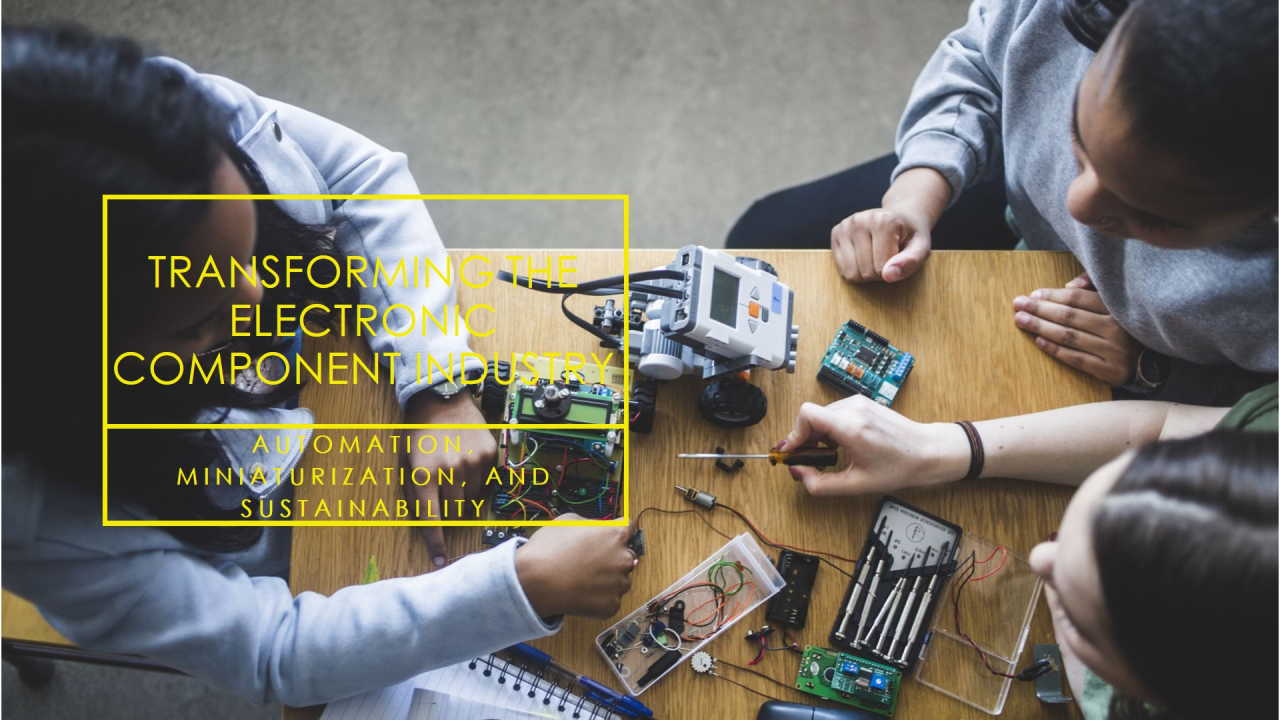
The electronic component industry is rapidly transforming, fueled by automation, miniaturization, and growing sustainability needs. As sectors increasingly depend on smart technologies and IoT, component manufacturers are innovating to keep pace. This article explores the primary industry trends, market insights, and technical advancements shaping the future of electronic components. 1. Industry-Wide Transformation Trends Rise of Automation and Smart Technologies Automation and AI are reshaping production processes within the electronic components industry. By automating manufacturing, companies can increase production speed, reduce errors, and maintain cost-effectiveness. Key sectors like consumer electronics, automotive, and industrial machinery are heavily investing in automated assembly lines

Shopping Cart
Scroll to Top
Scroll to Top