
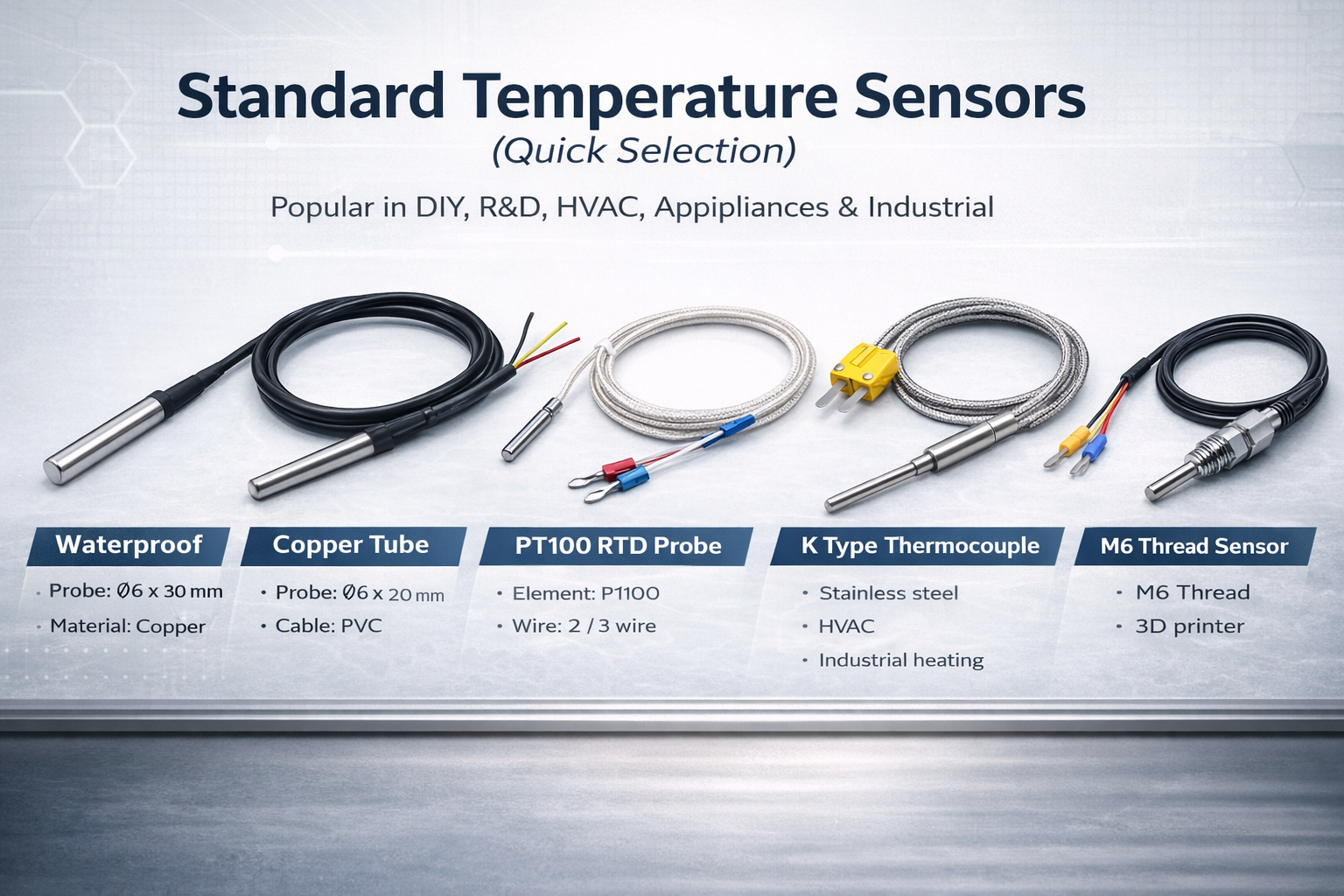
Oven Temperature Sensor Selection: OEM Guide
Oven temperature sensor guide for OEMs: compare thermocouple and RTD inputs, define probe location and mounting, and plan measurement verification.
Oven temperature sensor guide for OEMs: compare thermocouple and RTD inputs, define probe location and mounting, and plan measurement verification.
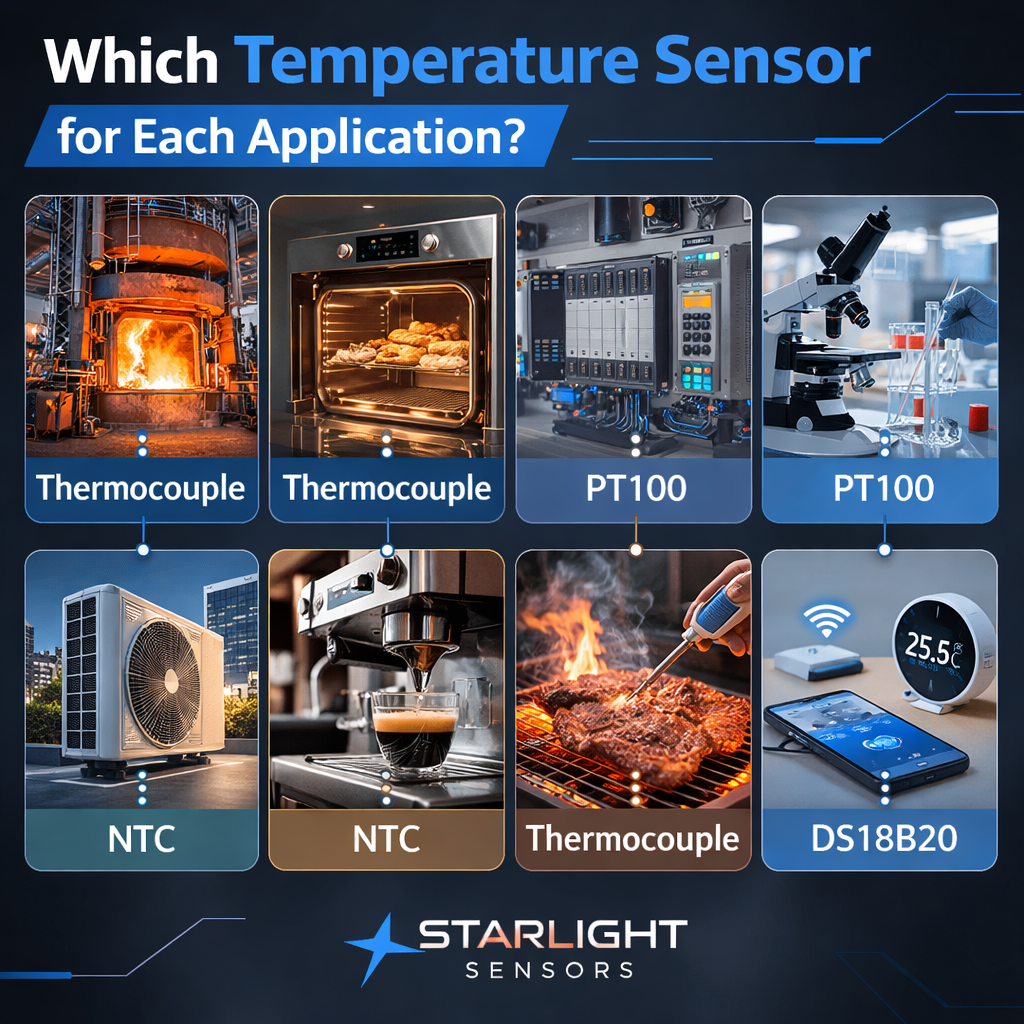
An introduction to thermocouple and RTD sensors, comparing operating principles, measurement range, accuracy, response time, and common applications.
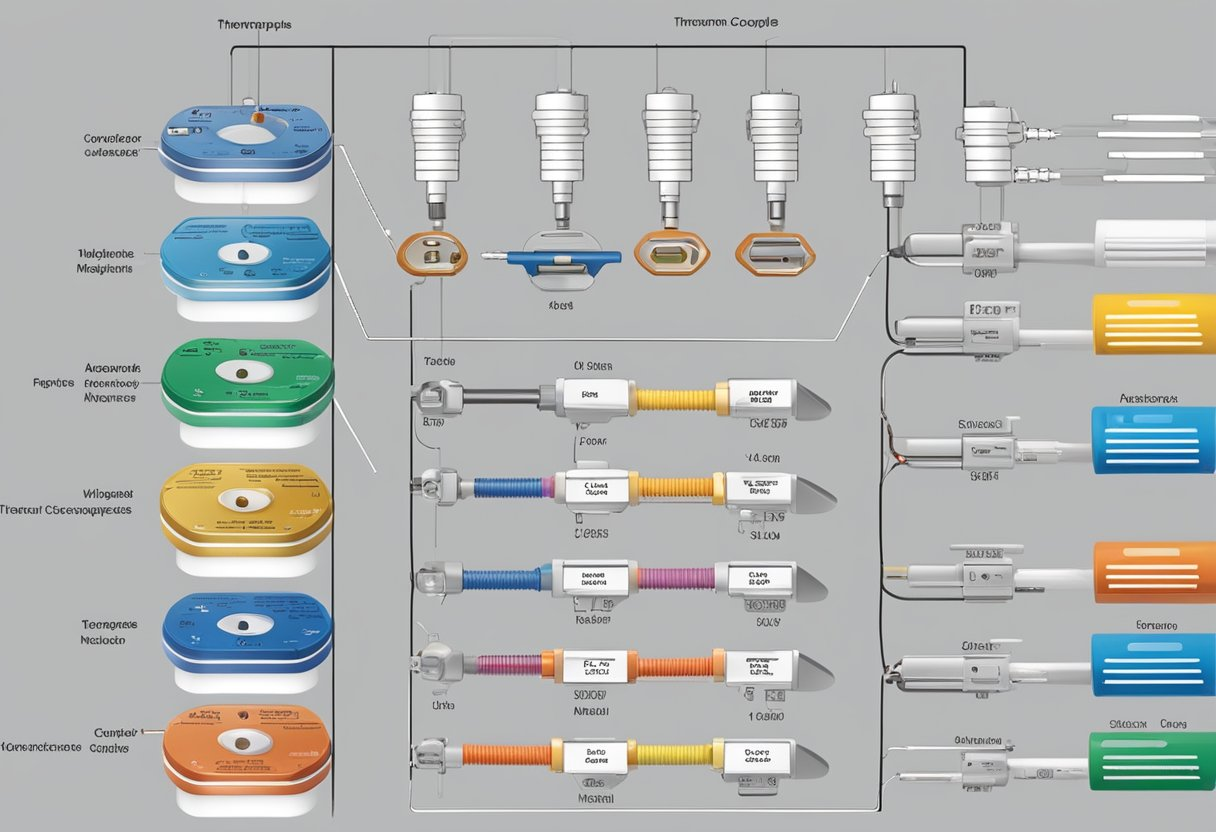
When it comes to temperature monitoring equipment in industrial settings, the right thermocouple can make a significant difference in accuracy and reliability. Understanding the unique characteristics of different types of thermocouples, such as Type K, J, and T, ensures that one can select the most suitable option for their specific application. Each thermocouple type offers various advantages and limitations based on temperature range, environment, and application needs. Type K thermocouples, known for their versatility, are widely used in various industries due to their broad temperature range. Type J is often employed in applications requiring a lower temperature range and offers high sensitivity.
Industrial ovens play a critical role in many manufacturing processes, where precise temperature control is essential for maintaining product quality and operational efficiency. To achieve these goals, K-Type thermocouples and temperature sensors are widely utilized due to their ability to withstand extreme temperatures and provide accurate, real-time data. In this blog, we’ll explore how K-Type thermocouples and temperature sensors from StarLight Sensors help optimize industrial oven performance by enhancing efficiency, safety, and compliance with industry standards. Accurate Temperature Measurement: K-Type thermocouples are designed for high-temperature environments, making them the ideal solution for industrial oven applications. With their high sensitivity and
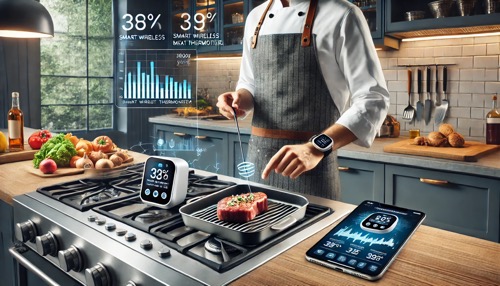
For food enthusiasts and culinary connoisseurs alike, perfecting a dish often begins and ends with precise temperature control. Whether you’re a professional chef or an amateur cook, hitting the right temperature is crucial to achieving the perfect meal. In the world of precision cooking, smart wireless meat thermometers have emerged as indispensable tools, ensuring that every meal is cooked to perfection. These devices, equipped with advanced thermal technology, thermistors, and high-precision temperature sensors, have revolutionized how we monitor and manage the cooking process. Let’s explore how they’re transforming kitchens everywhere. The Evolution of Meat Thermometers Why the Shift Toward Smart
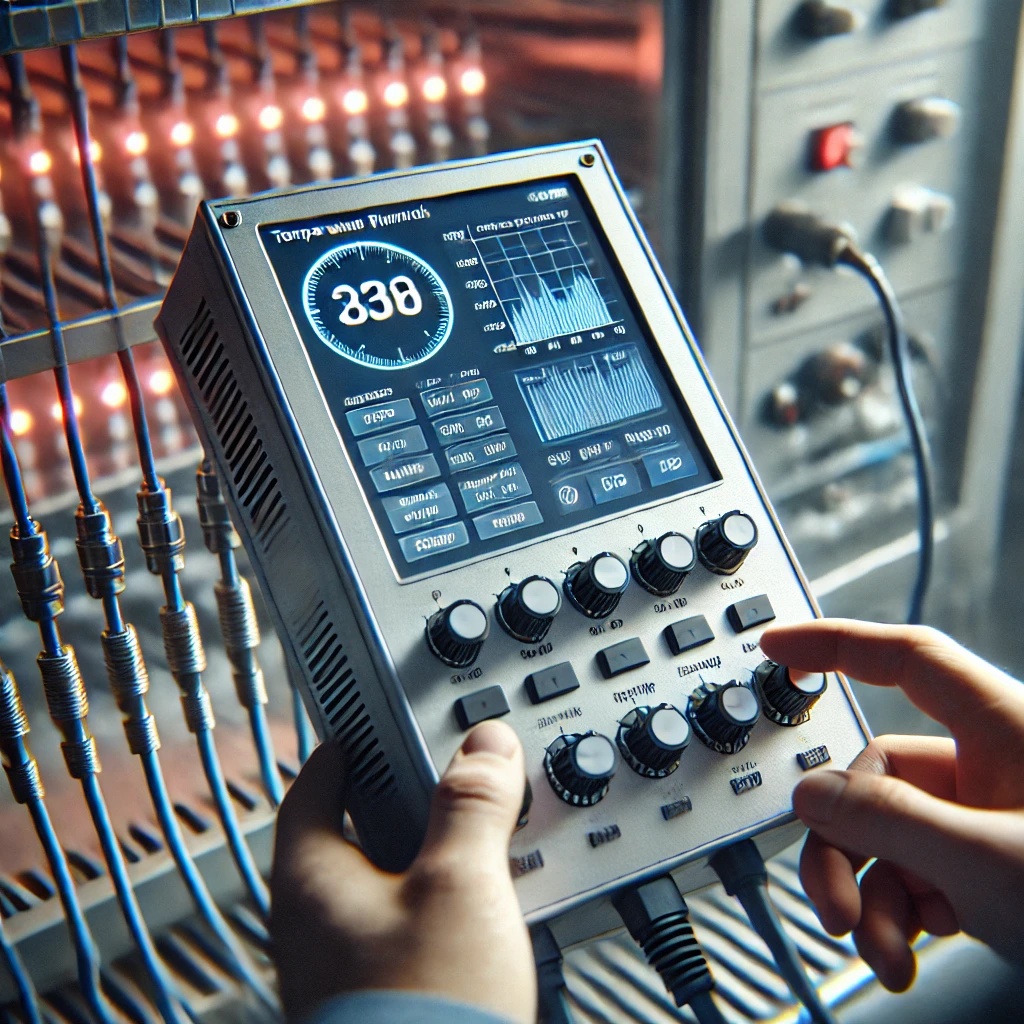
Match an industrial oven temperature controller with its thermocouple or RTD input, wiring, heater output, sensor location, alarms and commissioning checks.
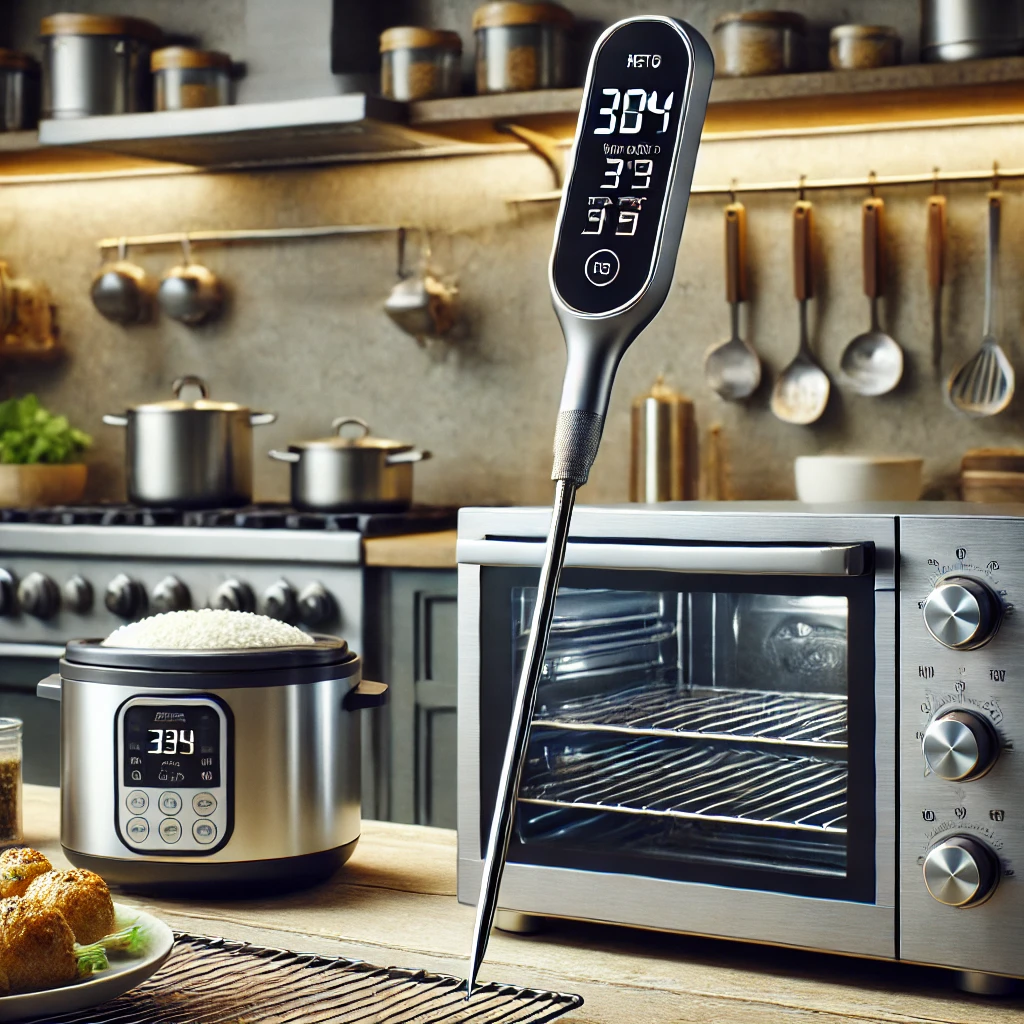
In the modern kitchen, precise temperature control plays a critical role in delivering optimal cooking results. Whether it’s baking in an oven or preparing meals in a rice cooker, the role of high-precision temperature sensors cannot be overstated. One of the leading solutions in this area is the 304 stainless steel, fast-reacting NTC temperature probe. This advanced temperature sensor provides unparalleled accuracy, durability, and response time, making it ideal for both household and commercial kitchen appliances. Understanding the Technology NTC (Negative Temperature Coefficient) temperature sensors work by changing their resistance in response to temperature variations. This feature allows them to
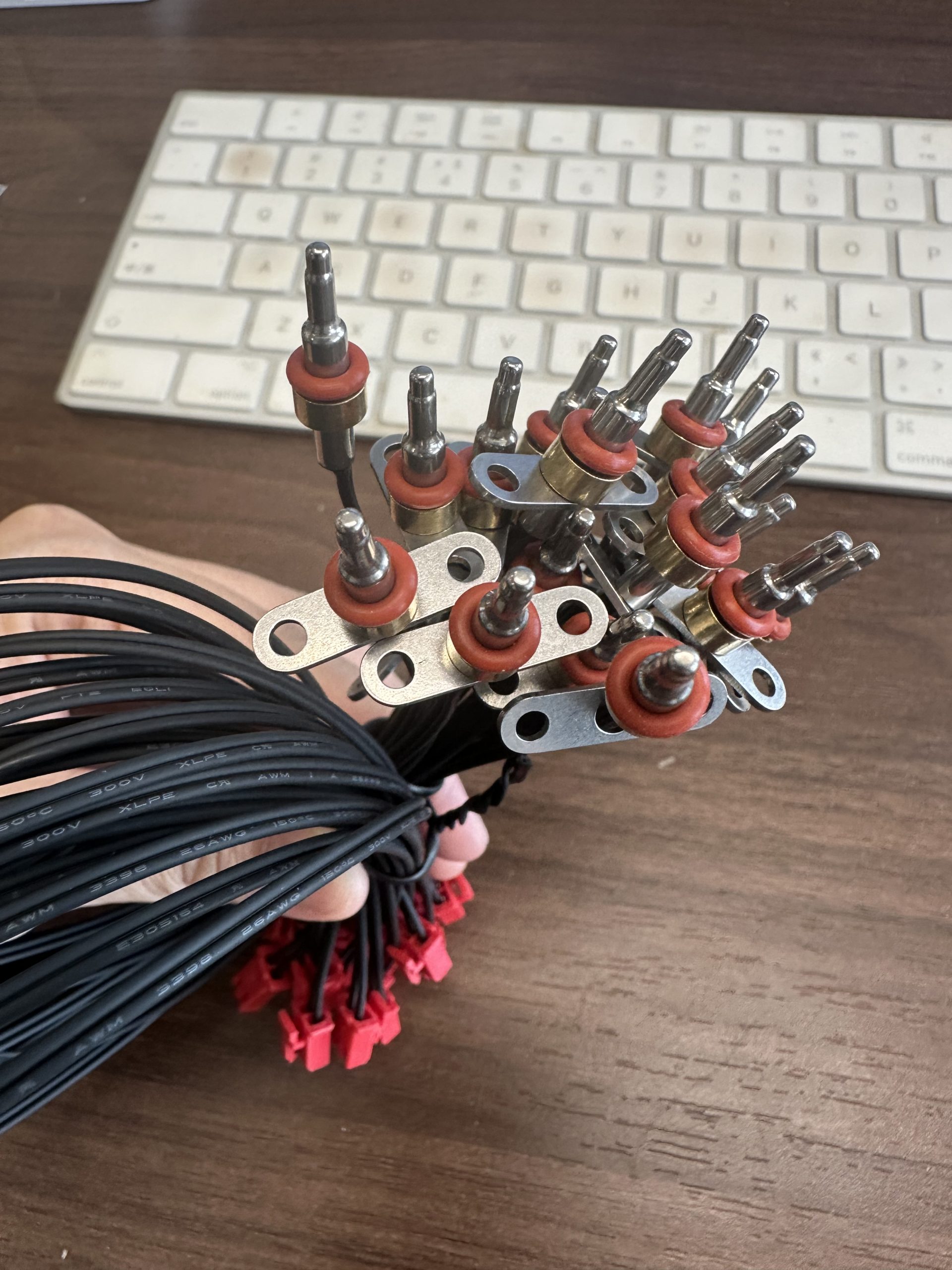
In the world of modern kitchen appliances, precise temperature control is essential for achieving optimal performance and ensuring food safety. The 100K3950 NTC Temperature Sensor is designed specifically for high-performance blenders and food processors, providing accurate temperature measurements and reliable performance. Understanding the NTC Temperature Sensor What is an NTC Temperature Sensor? NTC (Negative Temperature Coefficient) thermistors are temperature sensors that decrease in resistance as temperature increases. The 100K3950 model is a high-precision thermistor, known for its reliability and accuracy in a wide range of applications, particularly in kitchen appliances like blenders and food processors. How Does the 100K3950 NTC
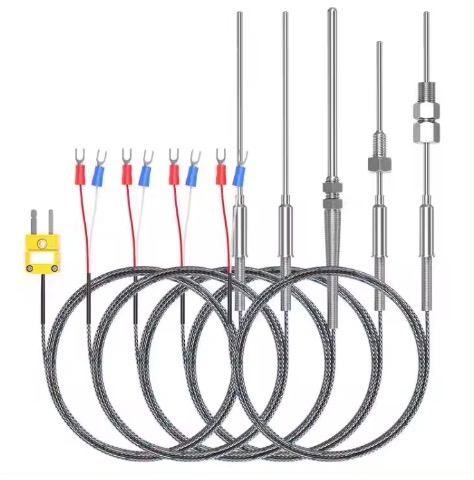
In the realm of temperature measurement, the PT100 platinum resistor temperature sensor stands out as one of the most accurate and reliable instruments. This comprehensive guide delves into the various aspects of PT100 sensors, including their functionality, applications, benefits, and how to select the right sensor for your needs. By the end of this article, you will have a thorough understanding of why the PT100 platinum resistor temperature sensor is an indispensable tool in many industries. Understanding the PT100 Platinum Resistor Temperature Sensor What is a PT100 Sensor? The PT100 platinum resistor temperature sensor is a type of Resistance Temperature

In the realm of food safety and culinary precision, having the right tools can make all the difference. Food probe thermometers that display both Fahrenheit and Celsius scales are indispensable instruments for chefs, home cooks, and food service professionals alike. This detailed guide explores everything you need to know about these versatile thermometers, helping you choose the best option for your needs. Understanding Food Probe Thermometers What Are Food Probe Thermometers? Food probe thermometers are devices used to measure the internal temperature of food accurately. They consist of a metal probe that is inserted into the food and connected
