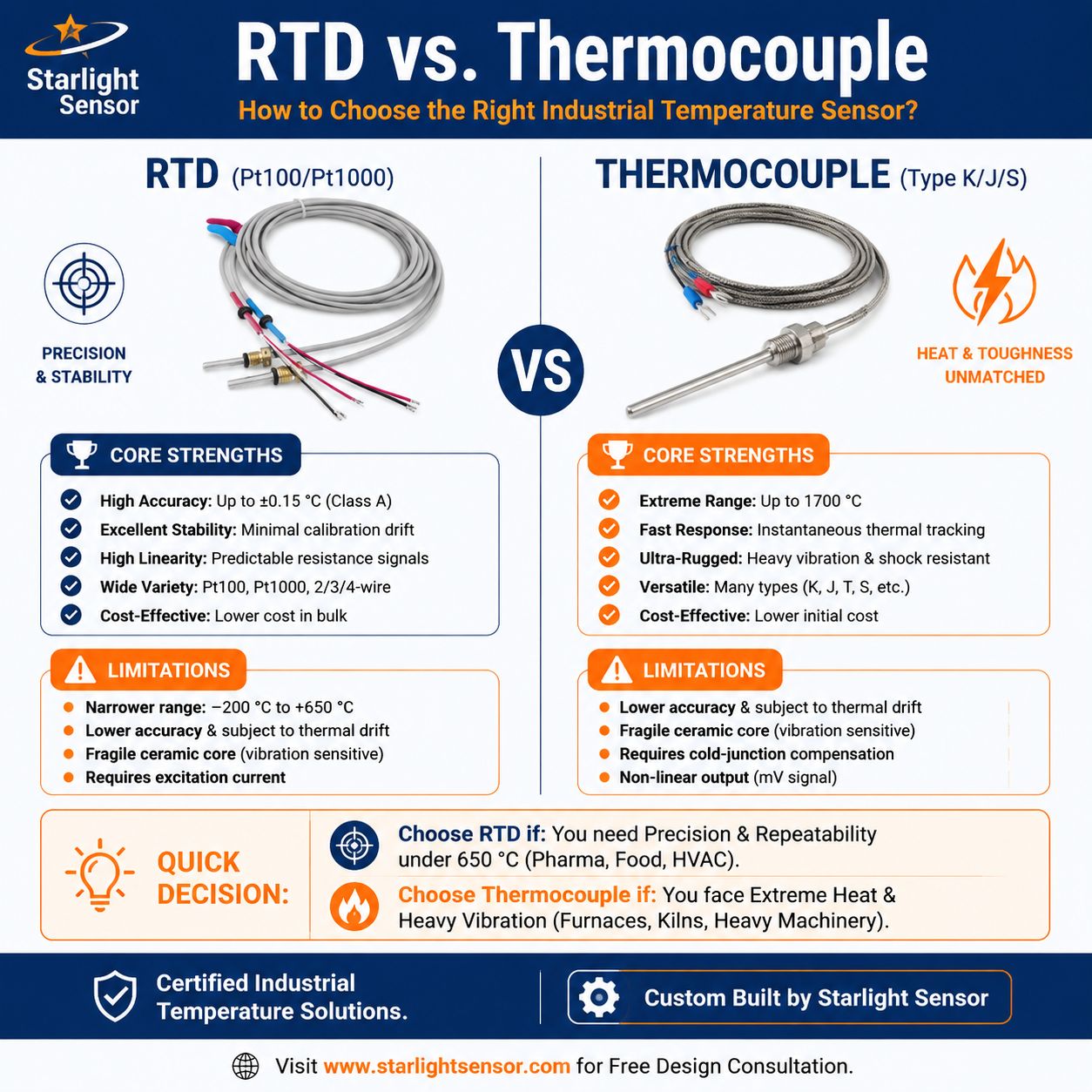
“Pt100” identifies a platinum resistance temperature sensor with a nominal resistance of 100 Ω at 0 °C under the applicable resistance–temperature specification. The phrase “DIN 43760” appears in older Pt100 references, but a title or part description alone does not establish that a supplied probe complies with a particular standard or tolerance class. For an OEM design, specify the required curve, class and assembly directly.
DIN 43760 reference and current specification
DIN Media lists DIN 43760 among documents replaced in the later standards lineage. IEC 60751:2022 is the current valid edition of the international standard for industrial platinum resistance thermometers and platinum temperature sensors. If a legacy drawing or purchasing document says “DIN 43760,” ask the supplier and engineering team to confirm the intended current requirement, applicable edition and evidence of conformity before approving a replacement or new design.
See the DIN Media record for DIN 43760 and the IEC 60751:2022 scope and status. These references explain the standards context; they do not certify any specific Starlight sensor configuration.
What to specify for a Pt100 RTD
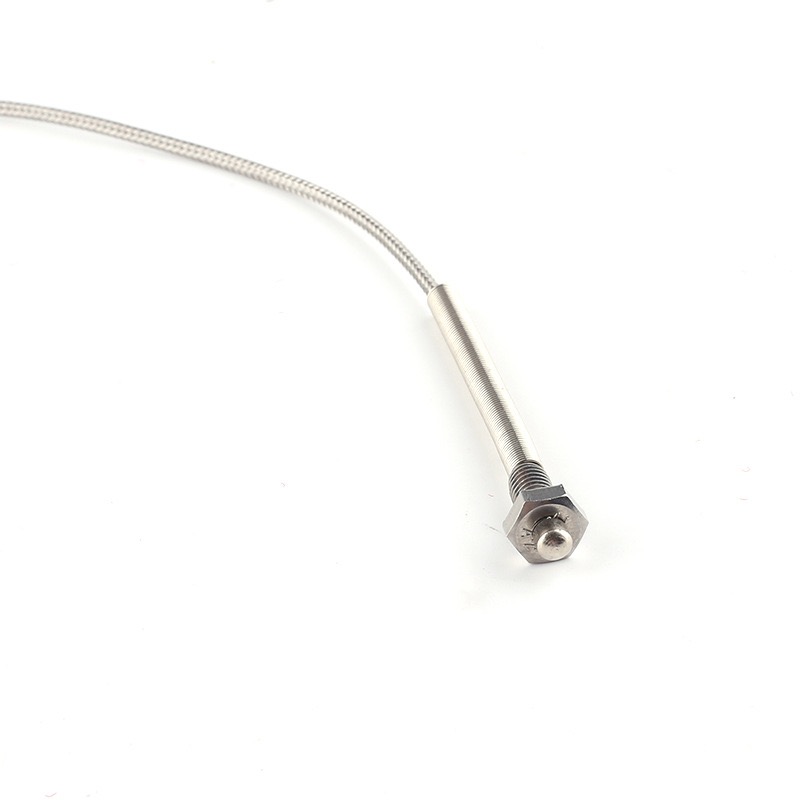
A Pt100 element is only one part of a temperature probe. Before selecting a design, document the required resistance–temperature curve and tolerance class, temperature range, measurement current or input circuit, lead configuration, sheath or probe dimensions, process connection, cable and connector, and environmental exposure. Confirm which values apply to the sensing element and which apply to the complete installed assembly.
Accuracy in service depends on the sensor’s specified curve and tolerance as well as lead resistance, wiring method, measurement electronics, calibration, thermal contact and installation. A platinum element alone does not establish a system accuracy or guarantee performance in a particular process.

Match the RTD to the readout and installation
Check that the transmitter, PLC, controller or data-acquisition input is configured for the same Pt100 curve and wiring arrangement as the selected sensor. Confirm the supported input range, lead compensation method and calibration procedure in the instrument documentation. For a two-, three- or four-wire design, evaluate the complete cable path and connection scheme rather than relying on the element name alone.
For HVAC, process equipment, laboratory instruments or other applications, choose the probe geometry, mounting and materials for the actual medium and operating conditions. Validate the assembled sensor at representative installation points; do not assume a generic Pt100 probe is suitable for every temperature range, pressure, chemical exposure or response-time requirement.
OEM purchasing checklist
- State Pt100 nominal resistance and the required resistance–temperature curve or standard edition.
- Identify the tolerance class, operating range and calibration or traceability requirements.
- Provide the readout model, wiring method, cable length and lead-compensation approach.
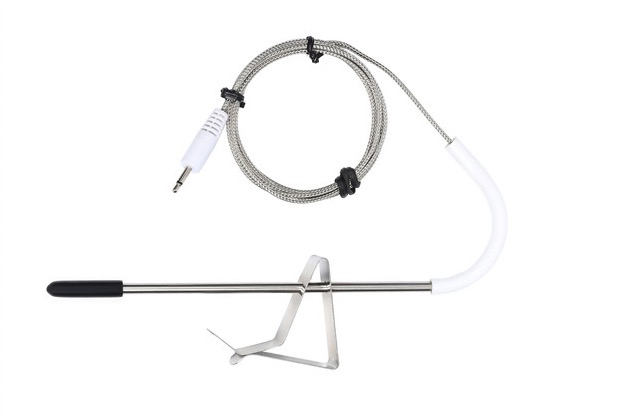
- Share probe dimensions, sheath material, mounting, process connection and connector details.
- Describe the measured medium, vibration, moisture, pressure and other environmental conditions.
- Request the drawing, datasheet, inspection criteria and confirmation of any required standard conformity.
- Validate the complete probe and measurement chain in the intended installation.
Request a Pt100 RTD quote
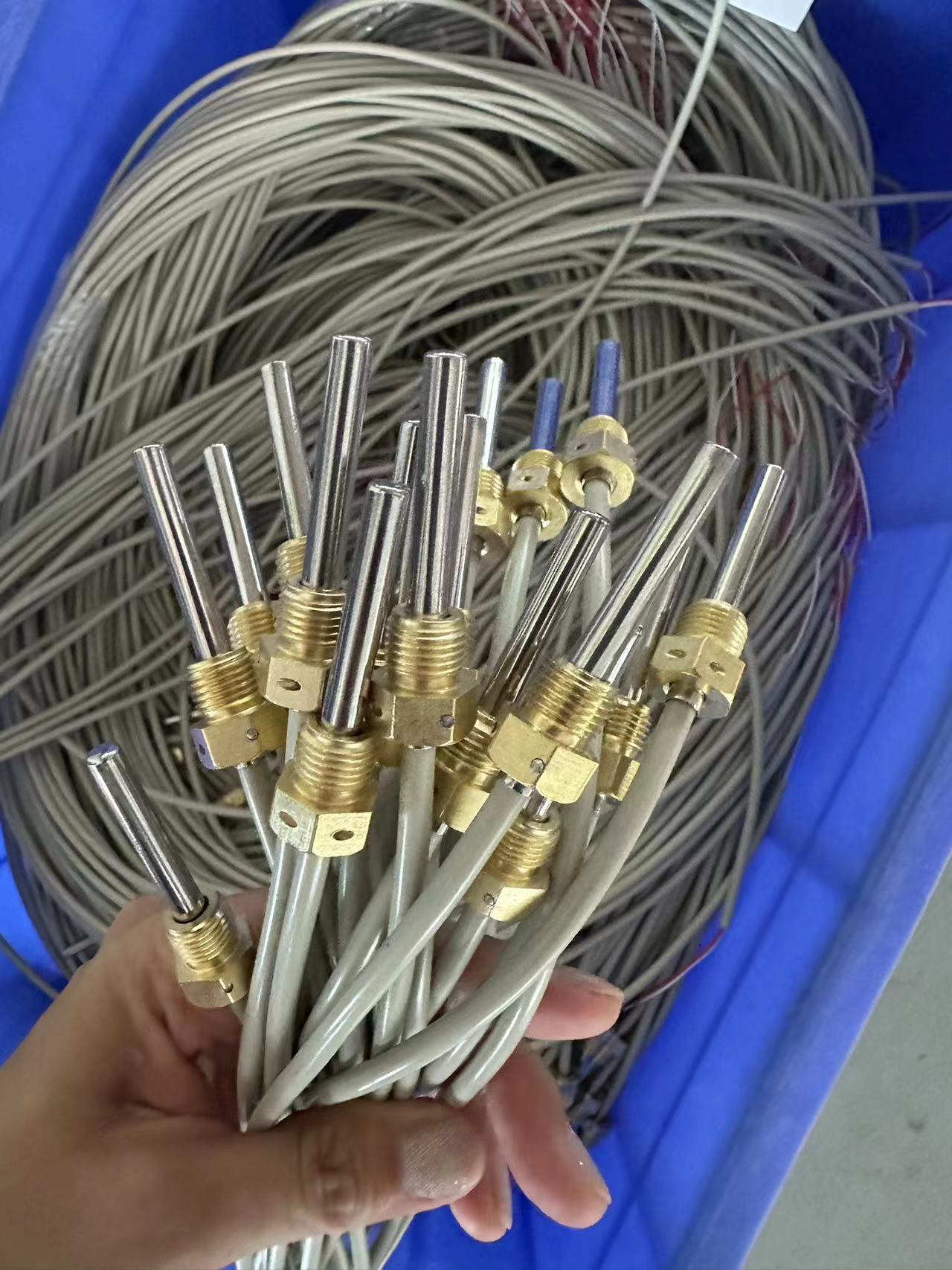
Send the required curve and class, temperature range, dimensions, mounting, lead or connector details and controller information when requesting samples or a quotation. If your project refers to DIN 43760, include the original drawing or specification so the supplier can confirm the intended current requirement.
For a broader comparison of Pt100, Pt1000 and RTD probe configurations, see our RTD sensor types guide. Browse our RTD temperature sensor range, compare RTD and thermocouple selection factors, or send your OEM requirements for a quote.