In many projects, when temperature readings become unstable or inaccurate, the first reaction is almost always the same:
“There must be something wrong with the sensor.”
From a supplier’s side, we hear this almost every week.
But after checking dozens of real cases — from ovens to HVAC systems to coffee machines — the conclusion is surprisingly consistent:
In most cases, the sensor is working exactly as designed. The problem comes from how it is used.
Temperature measurement is not just about the sensor itself.
It is a combination of installation, thermal conditions, wiring, and system design.
If any part of that chain is wrong, the reading will be wrong.
1. The Sensor Is Measuring the Wrong Thing
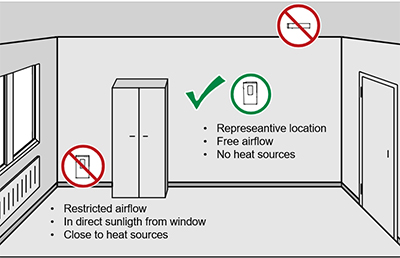

This is probably the most common issue, and also the easiest to miss.
A temperature sensor does not “understand” your system.
It simply measures the temperature at the exact point where it is located.
What often happens in real projects:
- The sensor is placed in airflow instead of on the actual heated surface
- It is installed too far from the heat source
- It sits near a fan, vent, or opening
- It is influenced by external ambient temperature
A real example:
In one oven application, the customer complained about temperature fluctuation of ±10°C.
After checking, the sensor was mounted near the air circulation path.
The heating system itself was stable — but the airflow caused continuous temperature variation at the sensor location.
The sensor was accurate.
It was just measuring the wrong thing.
What to check:
- What exactly do you want to measure? (air / surface / internal material)
- Is the sensor located at that exact point?
- Is there airflow affecting it?
If the sensor is in the wrong place, no level of accuracy can fix the reading.
2. Thermal Contact: The Silent Problem

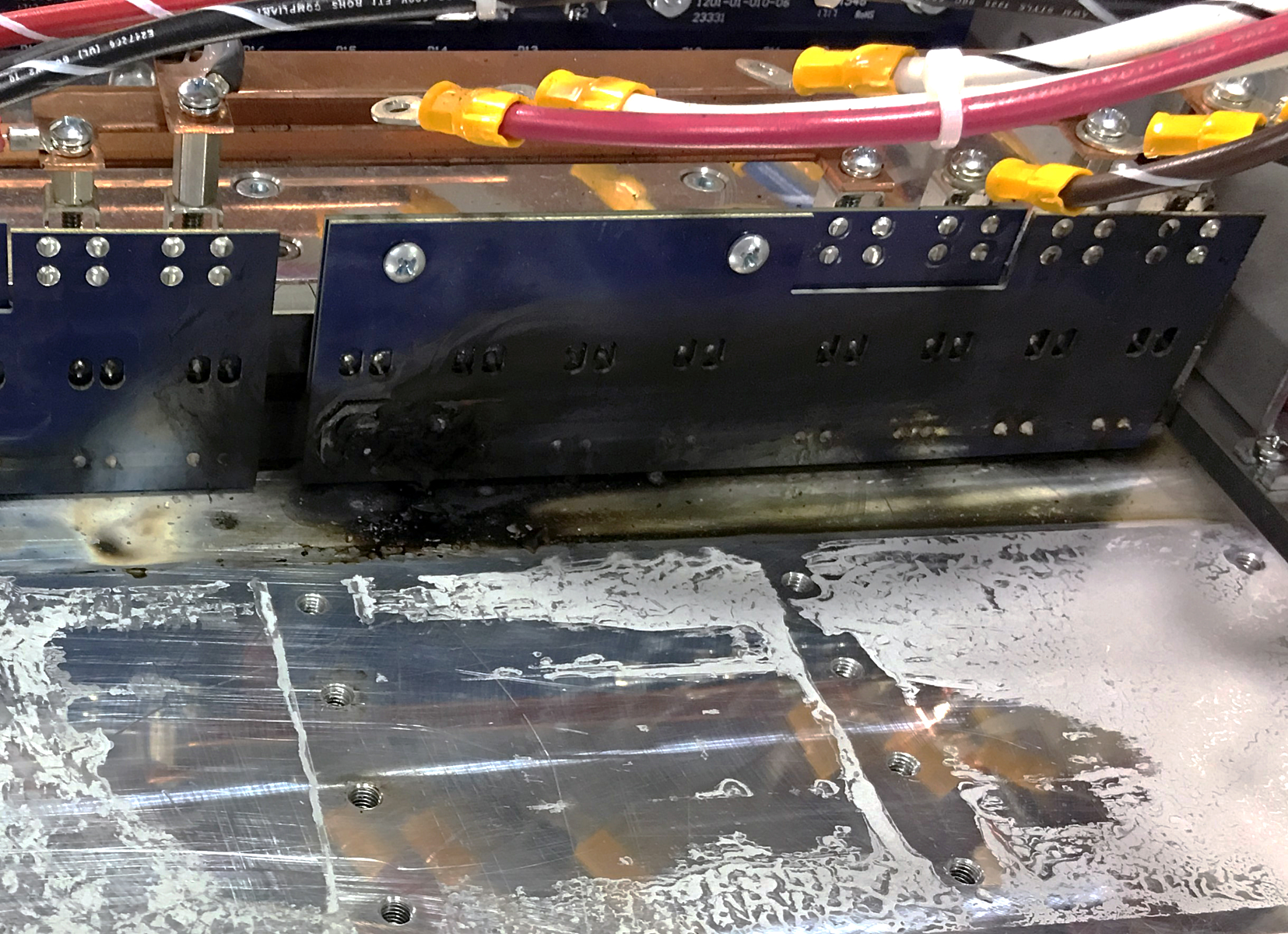
Another issue we see very often is poor thermal contact.
This is rarely mentioned in specifications, but in real applications, it makes a huge difference.
Typical situations:
- The probe is not tightly fixed
- There is a small air gap between sensor and surface
- No thermal paste or conductive medium is used
- The sensor is inside a thick metal sleeve with slow heat transfer
What this causes:
- Slow response (temperature lags behind reality)
- Lower readings than actual temperature
- Unstable readings during heating and cooling cycles
Practical observation:
In heating plate applications, two identical sensors can show a difference of 5–8°C
just because one is properly fixed and the other is slightly loose.
What to check:
- Is the sensor firmly attached?
- Is there direct contact or an air gap?
- Do you need thermal grease or better mounting design?
Good thermal contact is often more important than sensor accuracy.
3. Wiring Problems Are More Common Than You Think

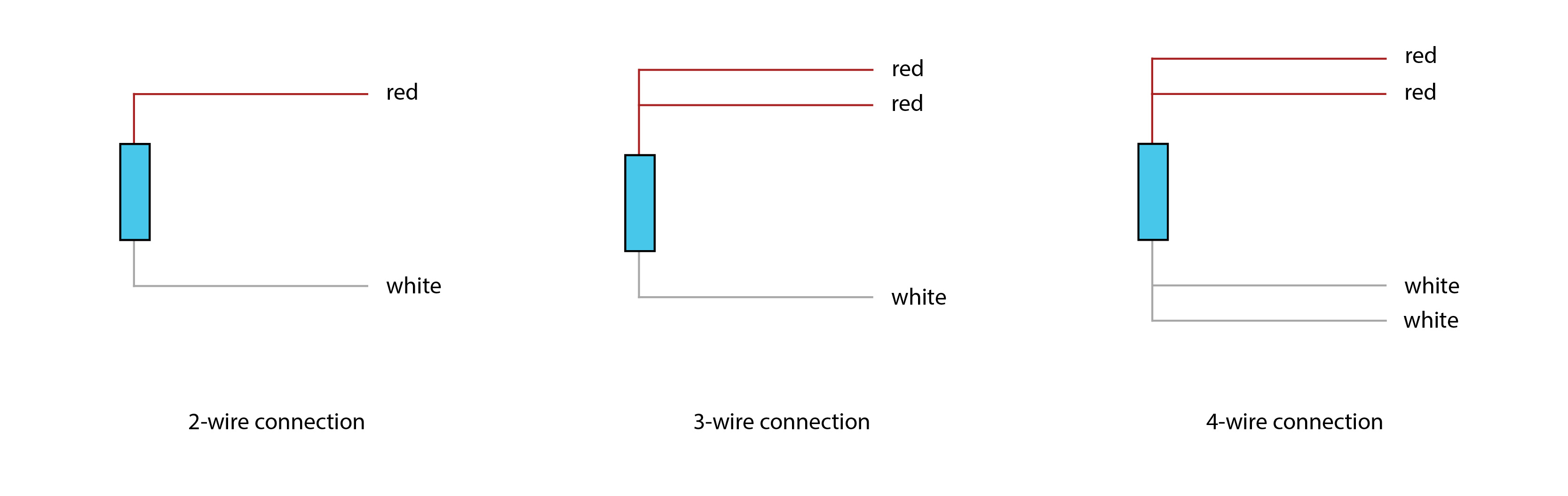
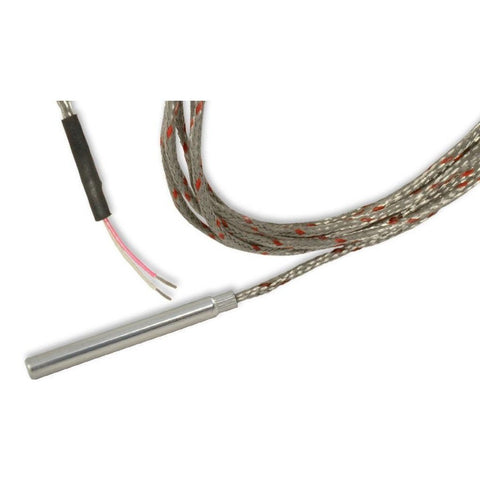
Many measurement issues don’t come from the sensor — they come from the signal path.
Especially in industrial environments, wiring is often the hidden source of instability.
Common mistakes:
- Using the wrong compensation cable for thermocouples
- Mixing signal cables with power cables
- Long cable runs without shielding
- Improper grounding
- Incorrect RTD wiring (2-wire / 3-wire confusion)
What this leads to:
- Random fluctuations
- Noise spikes
- Drift over time
- Inconsistent readings between systems
A typical case:
A customer reported unstable readings in a furnace.
After checking, the thermocouple was correct — but the extension cable was standard copper wire instead of compensation wire.
That alone caused several degrees of error.
What to check:
- Is the correct cable type used?
- Are signal and power lines separated?
- Is shielding properly grounded?
A good sensor with bad wiring behaves like a bad sensor.
4. Wrong Sensor Type for the Application
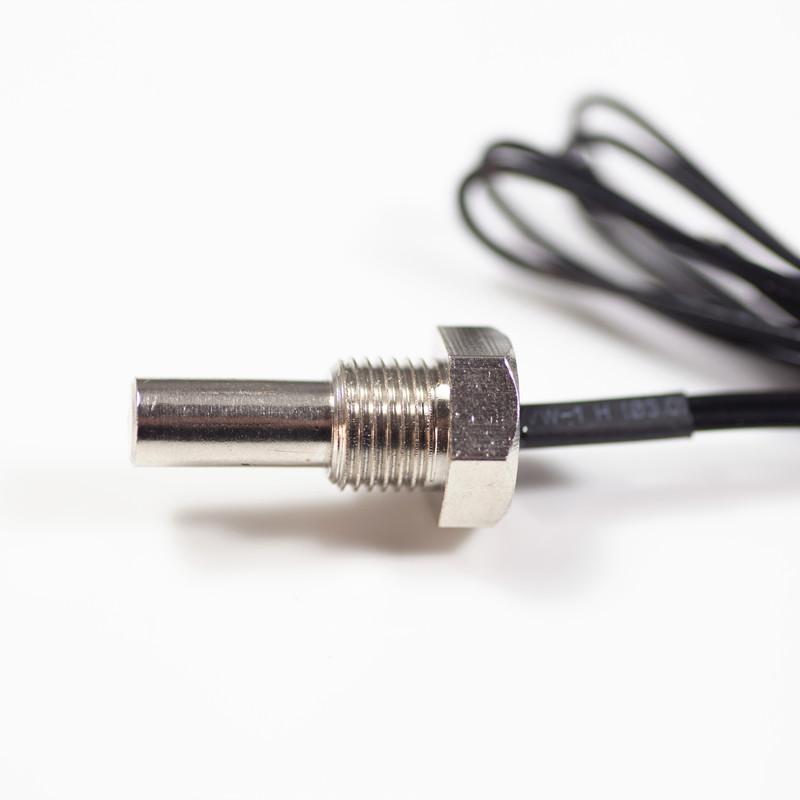

Another common issue is selecting the wrong sensor type from the beginning.
Not because engineers don’t understand sensors —
but because real application conditions are often underestimated.
Simple reality:
Each sensor type has its own strength — and its own limitation.
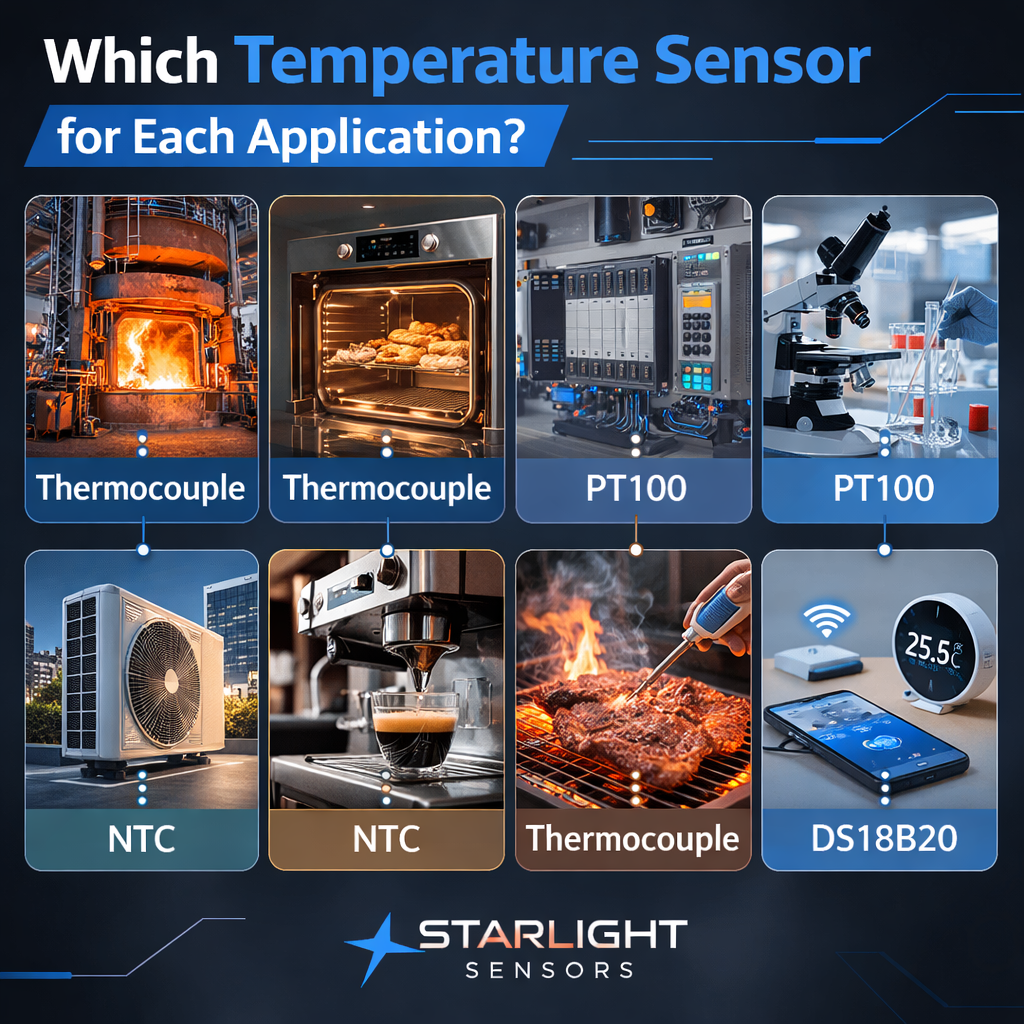
- NTC → fast, sensitive, cost-effective
- RTD (PT100/PT1000) → stable, accurate, reliable over time
- Thermocouple → wide range, robust, but less stable
Where problems happen:
- Using thermocouples where long-term stability is critical
- Using RTDs where response speed is more important
- Using NTCs outside their suitable temperature range
Real scenario:
In a heat pump system, a customer used thermocouples and complained about drift after some time.
Switching to RTD solved the issue — not because the thermocouple was “bad”,
but because it was not the right choice for that application.
There is no universal sensor. Only suitable and unsuitable choices.
5. “Accuracy” Is Often Misunderstood
One question we often get:
“This sensor is ±0.5°C. Why is my system still off by several degrees?”
Because: Sensor accuracy is only one part of system accuracy.
What actually affects the result:
- Installation position
- Thermal contact
- Response time
- Environmental influence
- Mechanical stress
- Encapsulation quality
Practical understanding:
A ±0.5°C sensor installed poorly can easily result in ±5°C system error.
While a standard sensor, correctly installed, can perform much better in real conditions.
Accuracy on paper does not guarantee accuracy in application.
6. What Experienced Engineers Do Differently
After working on multiple projects, experienced engineers usually don’t start by replacing the sensor.
They check the system step by step:
- Is the measurement point correct?
- Is the thermal contact reliable?
- Is the wiring correct?
- Is the sensor type suitable?
Only after these are confirmed, they consider changing the sensor.
Conclusion
Temperature measurement failures are rarely caused by a single factor.
They are usually the result of small issues accumulating in the system.
The sensor is only one part of the measurement chain — not the whole story.
Before deciding that a sensor is defective, it is always worth checking:
- Where it is installed
- How it is mounted
- How it is connected
- Whether it is the right type
In many cases, fixing these will solve the problem — without changing the sensor at all.
Final Note
If you are facing unstable or inaccurate temperature readings,
it is often helpful to review the application as a whole rather than focusing only on the sensor.
A small adjustment in installation or design can make a bigger difference than changing the sensor itself.