
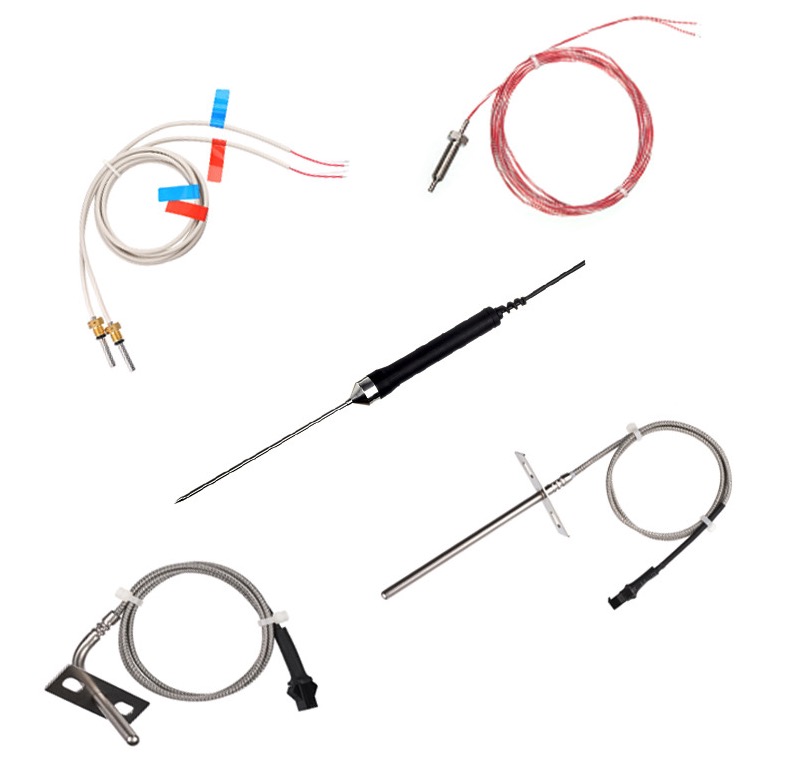
How to Read a 47 kΩ NTC Thermistor Table
Learn how to read a 47 kΩ NTC thermistor R/T table, verify reference conditions, estimate temperature and match the curve to an OEM controller.
Learn how to read a 47 kΩ NTC thermistor R/T table, verify reference conditions, estimate temperature and match the curve to an OEM controller.
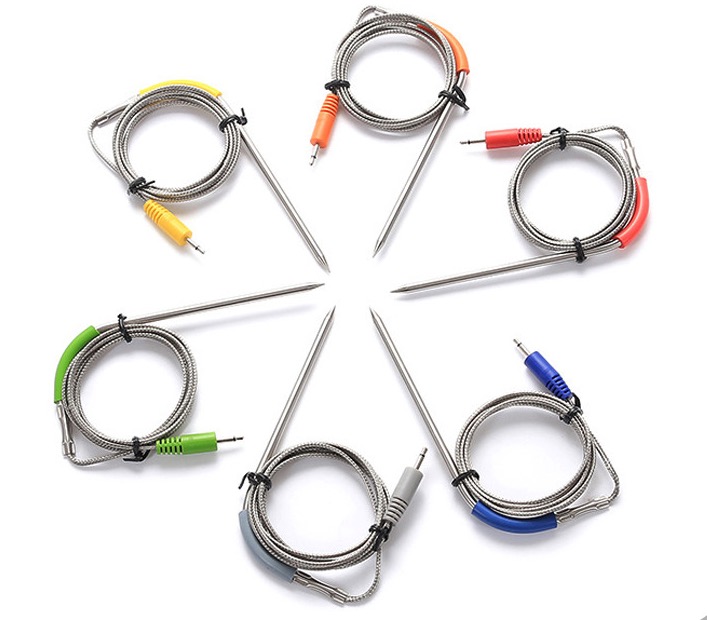
“30k NTC thermistor” describes a nominal resistance of 30 kΩ at a specified reference temperature. It does not, by itself, identify the resistance-temperature curve, tolerance, operating range or probe assembly. Confirm the exact part’s datasheet before using the rating to select or replace a sensor. Confirm the 30k reference point Check the resistance value and its reference temperature in the manufacturer’s datasheet. A reference of 25°C is common for NTC thermistors, but it should not be assumed for an unidentified part. NTC resistance falls as temperature rises, and two parts rated 30 kΩ can have different resistance values at other
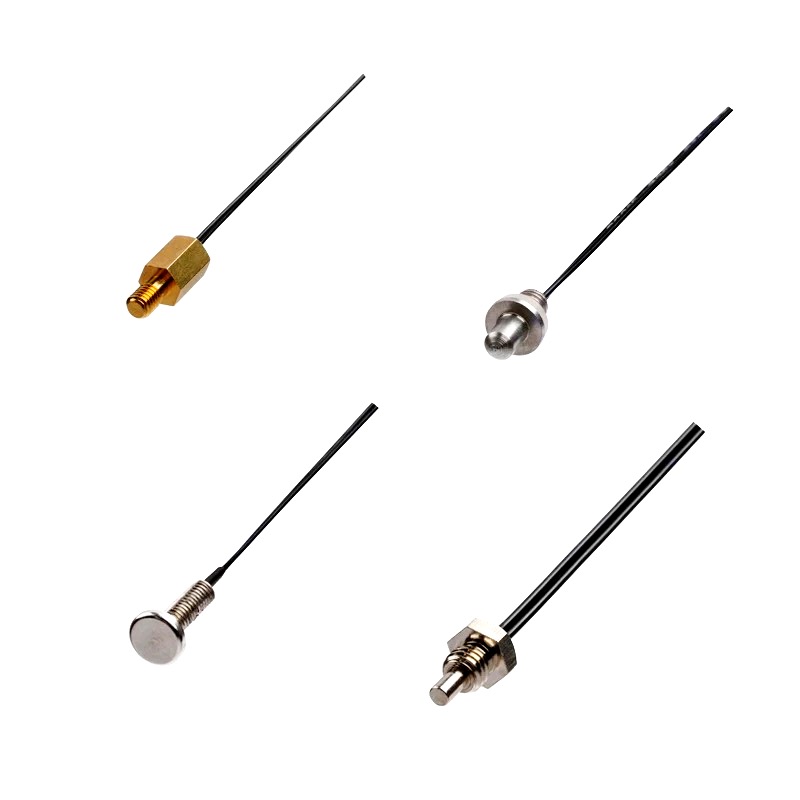
In this guide What 10K Type 3 means Why curve matching matters Reading a Type III resistance table HVAC/BMS selection checklist Requesting a compatible sensor What does 10K Type 3 mean? In HVAC and building-automation sensor catalogs, labels such as “10K Type 3,” “10K-3,” and “10K Type III” identify an NTC thermistor curve used by a particular controller or sensor family. “10K” commonly indicates a nominal resistance of 10 kΩ at 25 °C, but the resistance-temperature curve must also match. The label alone does not specify a universal curve, accuracy, operating range, probe construction, or environmental rating. Check the controller’s
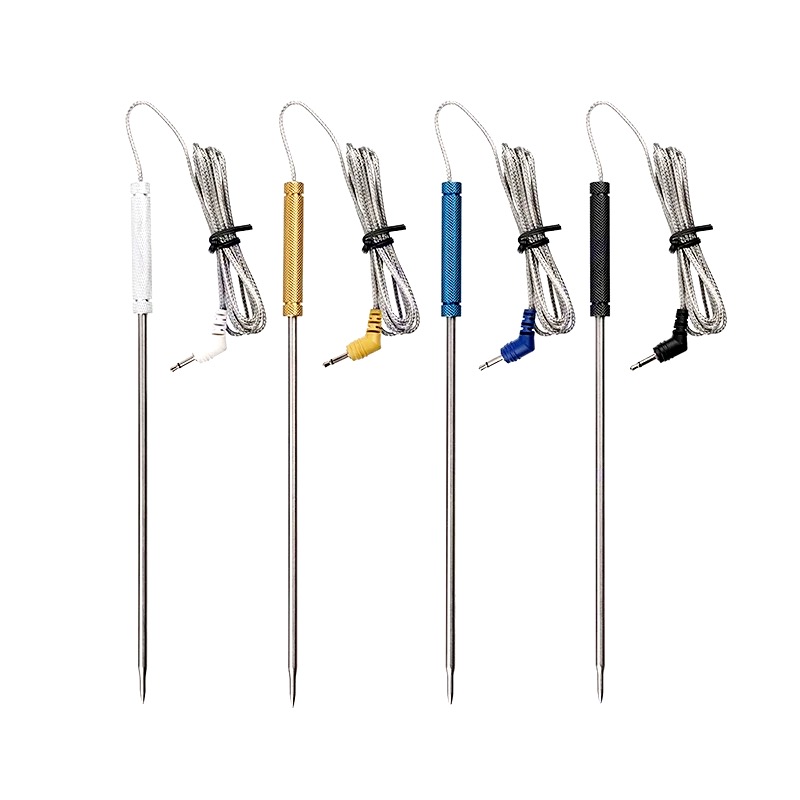
A 10 kΩ Type 2 NTC label is not a universal curve. Check the exact R/T table, controller compatibility, tolerance and calibration plan.

10k NTC Thermistor Graph – A Comprehensive Guide 10k NTC Thermistor Graph – A Comprehensive Guide Welcome to this comprehensive guide on the 10k NTC (Negative Temperature Coefficient) thermistor graph. In this article, we will explore the characteristics, applications, and important considerations of the 10k NTC thermistor. So, let’s dive in! Table of Contents Characteristics Applications Important Considerations 1. Characteristics The 10k NTC thermistor is a type of temperature sensor that exhibits a negative temperature coefficient, meaning its resistance decreases as the temperature increases. This characteristic makes it suitable for various temperature-sensing applications. The resistance-temperature relationship of a 10k NTC
Xiaomi Temperature and Humidity Sensor Battery Xiaomi Temperature and Humidity Sensor Battery Article Summary: Introduction What is the Xiaomi Temperature and Humidity Sensor? Importance of Battery Life Tips for Maintaining Battery Life Conclusion Introduction The Xiaomi Temperature and Humidity Sensor is a popular smart home device that allows you to monitor and control the temperature and humidity levels in your living space. It provides real-time data and alerts through a mobile app, making it convenient for users to create a comfortable environment. In this article, we will focus specifically on the battery life of the sensor and how to optimize
Xiaomi Temperature and Humidity Sensor 2 Article: Xiaomi Temperature and Humidity Sensor 2 Abstract Introduction Features Installation Compatibility Summary Abstract This SEO article introduces the Xiaomi Temperature and Humidity Sensor 2. It provides a detailed overview of its features, installation process, and compatibility. This article aims to help readers understand the benefits and usefulness of this innovative sensor for monitoring temperature and humidity levels. By clicking on the links below, you can jump directly to the corresponding sections. Introduction The Xiaomi Temperature and Humidity Sensor 2 is a cutting-edge device designed to monitor and track temperature and humidity levels in
WiFi Temperature and Humidity Sensor WiFi Temperature and Humidity Sensor Article Summary Introduction Features Applications Conclusion Introduction A WiFi temperature and humidity sensor is a device designed to monitor and track temperature and humidity levels in real-time using wireless technology. This article will explore the features of this sensor, various applications it can be used for, and conclude with its benefits in different scenarios. Features The WiFi temperature and humidity sensor offers several key features: Wireless Connectivity: It utilizes WiFi technology, allowing easy integration into existing networks. Real-time Monitoring: The sensor provides instant and accurate temperature and humidity readings. Remote
Article: Vaisala Temperature and Humidity Sensor Vaisala Temperature and Humidity Sensor Abstract: This article provides an overview of the Vaisala Temperature and Humidity Sensor. It is divided into the following sections: Introduction Features and Specifications Applications Conclusion Introduction The Vaisala Temperature and Humidity Sensor is a state-of-the-art device used for measuring and monitoring temperature and humidity levels in various environments. With its advanced technology and high accuracy, this sensor is widely used in different industries, including meteorology, agriculture, HVAC, and pharmaceuticals. Features and Specifications Highly accurate measurements Wide temperature and humidity range Real-time data monitoring Data logging capabilities Robust and
Temperature and Humidity Sensor Temperature and Humidity Sensor Article Summary This article will provide an overview of temperature and humidity sensors. It will discuss their importance in various industries and applications, their working principles, and the benefits they offer. Additionally, it will highlight some popular types of temperature and humidity sensors available in the market. Table of Contents Introduction Working Principles Applications Popular Types Conclusion Introduction Temperature and humidity sensors are electronic devices used to measure and monitor the levels of temperature and humidity in the surrounding environment. These sensors play a crucial role in a wide range of industries,