
News

What is a Thermocouple Transmitter?

A thermocouple transmitter is a device designed to convert the temperature readings obtained from a thermocouple sensor into a standardized electrical signal. This electrical signal can then be transmitted over long distances to monitoring or control systems, allowing for accurate and remote temperature measurement. Here’s a deeper look at the components and functions of a thermocouple transmitter: Components of a Thermocouple Transmitter: Thermocouple Sensor: The primary component that measures temperature. It consists of two different metals joined at one end, creating a junction where the temperature is measured. The thermocouple generates a voltage proportional to the temperature difference between the
RTD and Thermocouple Assemblies: Comprehensive Temperature Sensing Solutions

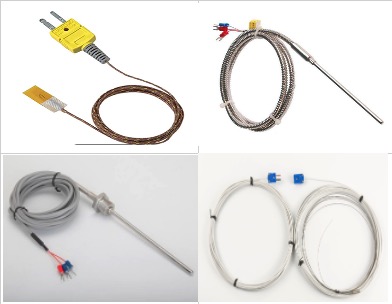
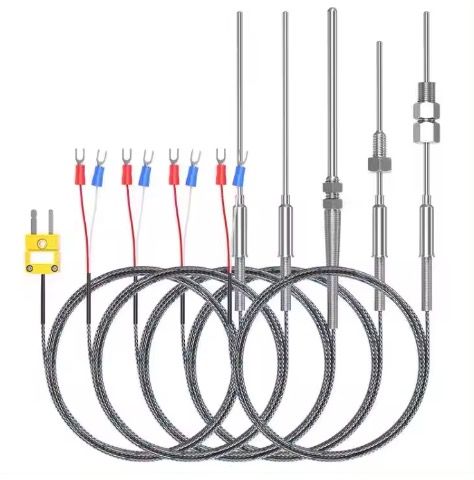
  RTD (Resistance Temperature Detector) and Thermocouple Sensors are available in a wide variety of calibrations, mounting configurations, materials, and sizes. They are designed for repeatability, accuracy, and stability over the life cycle of the instrumentation. Sensor assemblies can be specially designed for challenging applications using applied knowledge of thermodynamics, metallurgy, and electrical properties of materials. RTD (Resistance Temperature Detector) Sensors RTD sensors are crucial for precise temperature measurement and control in various industrial applications. They are known for their accuracy and stability over a wide temperature range. Available RTD sensors include: Thin Film RTDs: Suitable for general-purpose applications, offering fast response

Exploring Temperature Sensors: Types, Applications, and Operational Mechanisms

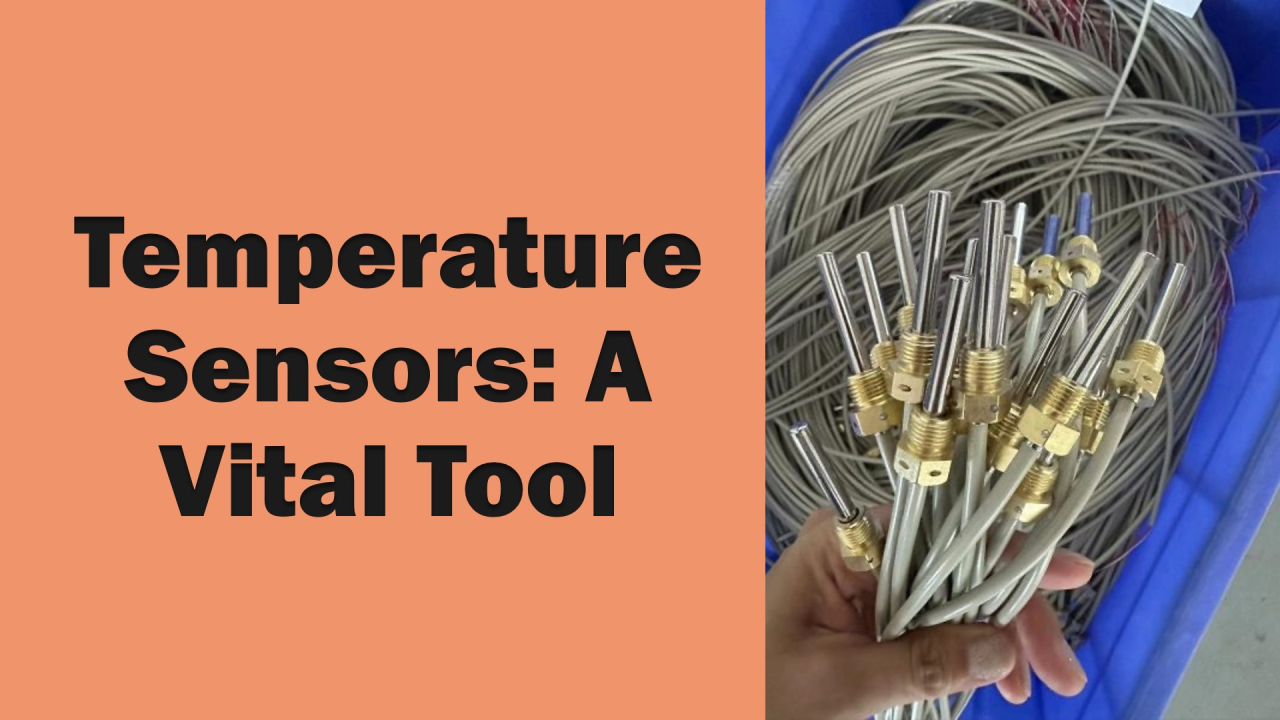
Temperature sensors are essential components in numerous everyday and industrial settings, serving a variety of functions. In this article, we’ll delve into the fundamentals of temperature sensors, examining their types, applications, and working principles. Understanding Temperature Sensors Temperature sensors, such as thermocouples and resistance temperature detectors (RTDs), are devices tasked with measuring temperature and converting it into an electrical signal. They find wide application in geotechnical monitoring, where they track temperature variations in structures like bridges, dams, and soil. Operational Mechanisms The operational mechanisms of temperature sensors vary depending on their type. Thermocouples, constructed from two dissimilar metals, generate a

Unlocking Precision and Control: The Diverse Applications and Functions of Temperature Sensors

Introduction: Temperature Sensors: Precision in Measurement and Control Temperature Sensors: Temperature sensors are pivotal instruments utilized across industries for detecting and quantifying temperature changes with remarkable accuracy. Their versatility and reliability make them indispensable in numerous applications. Applications: Temperature sensors find extensive application across diverse sectors, including manufacturing, healthcare, environmental monitoring, and scientific research. In manufacturing, they ensure product quality by monitoring and controlling temperature during various production processes. In healthcare, temperature sensors aid in diagnostics, patient monitoring, and laboratory procedures. Environmental monitoring relies on temperature sensors for weather forecasting, climate research, and ecological studies. Research endeavors benefit from temperature

Shopping Cart
Scroll to Top
Scroll to Top