
News

PT1000 Sensors for Heat Meters: Matched-Pair OEM Selection Guide

Heat meters measure thermal energy transferred by a heat-conveying liquid. PT1000 RTDs measure temperature through a predictable change in platinum resistance; the sensing element itself is not a digital output device. A heat meter uses temperature measurement together with flow information and its configured calculation method. The role of PT1000 sensors in a heat meter A heat meter commonly measures the liquid temperature at the flow and return points. The difference between these readings contributes to the energy calculation, while a flow sensor measures how much heat-conveying liquid passes through the circuit. The calculator combines these measurements using the fluid
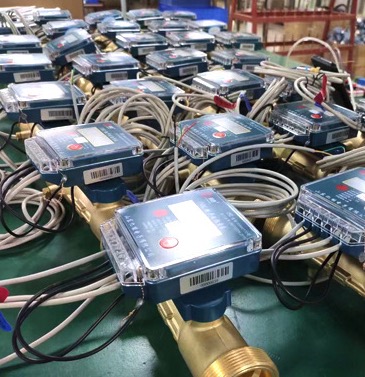

The Role and Function of Temperature Sensors in Heat Meters

Heat meters combine flow information with the temperature difference between the flow and return sides of a heating or cooling circuit. Temperature sensors provide those readings to the meter calculator; the sensor type, installation and wiring must match the meter’s documented configuration. How temperature sensors work in a heat meter A typical heat meter uses a flow sensor, a temperature-sensor pair and a calculator. One temperature probe is installed at the designated flow point and the other at the return point. The calculator combines their readings with the flow measurement and the heat-conveying liquid data specified for the meter. OIML

Shopping Cart
Scroll to Top
Scroll to Top