News

Types of Thermocouples: A Guide to Choosing the Right One for Your Application

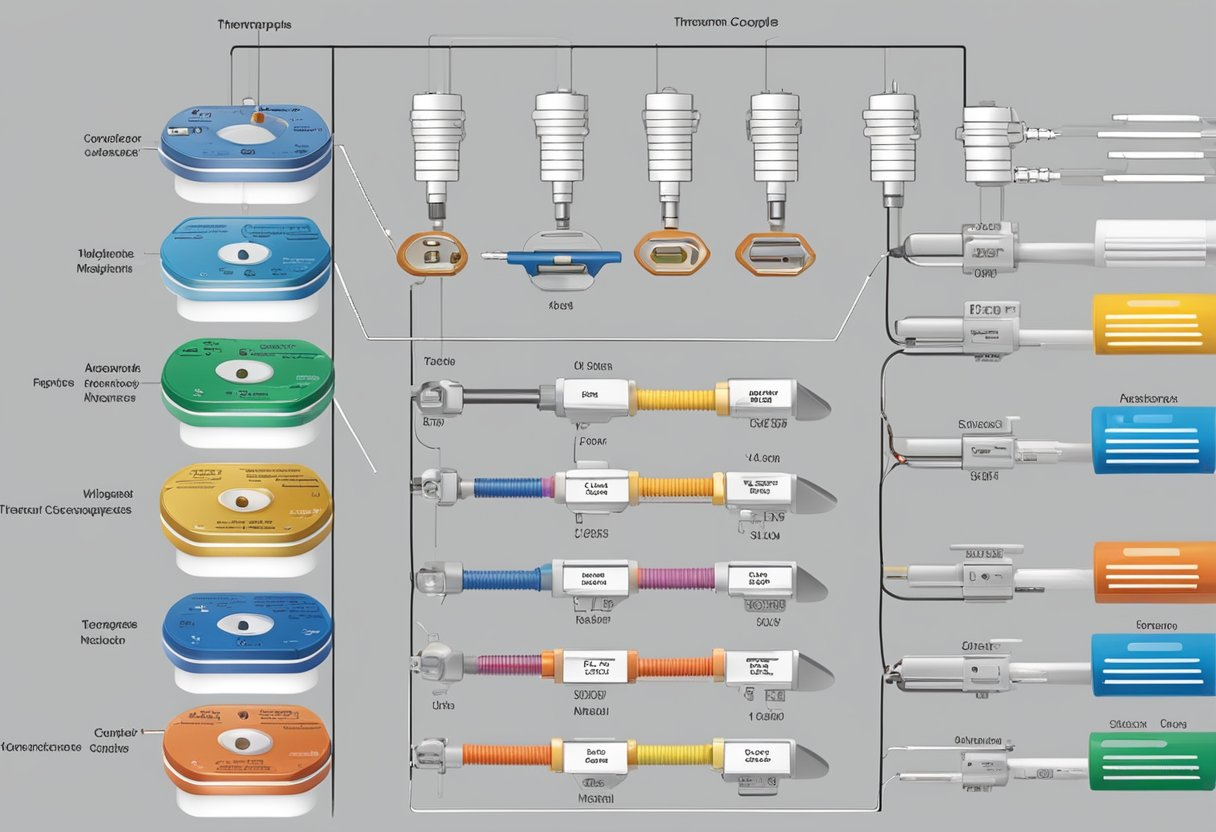
When it comes to temperature monitoring equipment in industrial settings, the right thermocouple can make a significant difference in accuracy and reliability. Understanding the unique characteristics of different types of thermocouples, such as Type K, J, and T, ensures that one can select the most suitable option for their specific application. Each thermocouple type offers various advantages and limitations based on temperature range, environment, and application needs. Type K thermocouples, known for their versatility, are widely used in various industries due to their broad temperature range. Type J is often employed in applications requiring a lower temperature range and offers high sensitivity.
Understanding Thermocouples: A Beginner’s Guide to Their Functionality and Applications

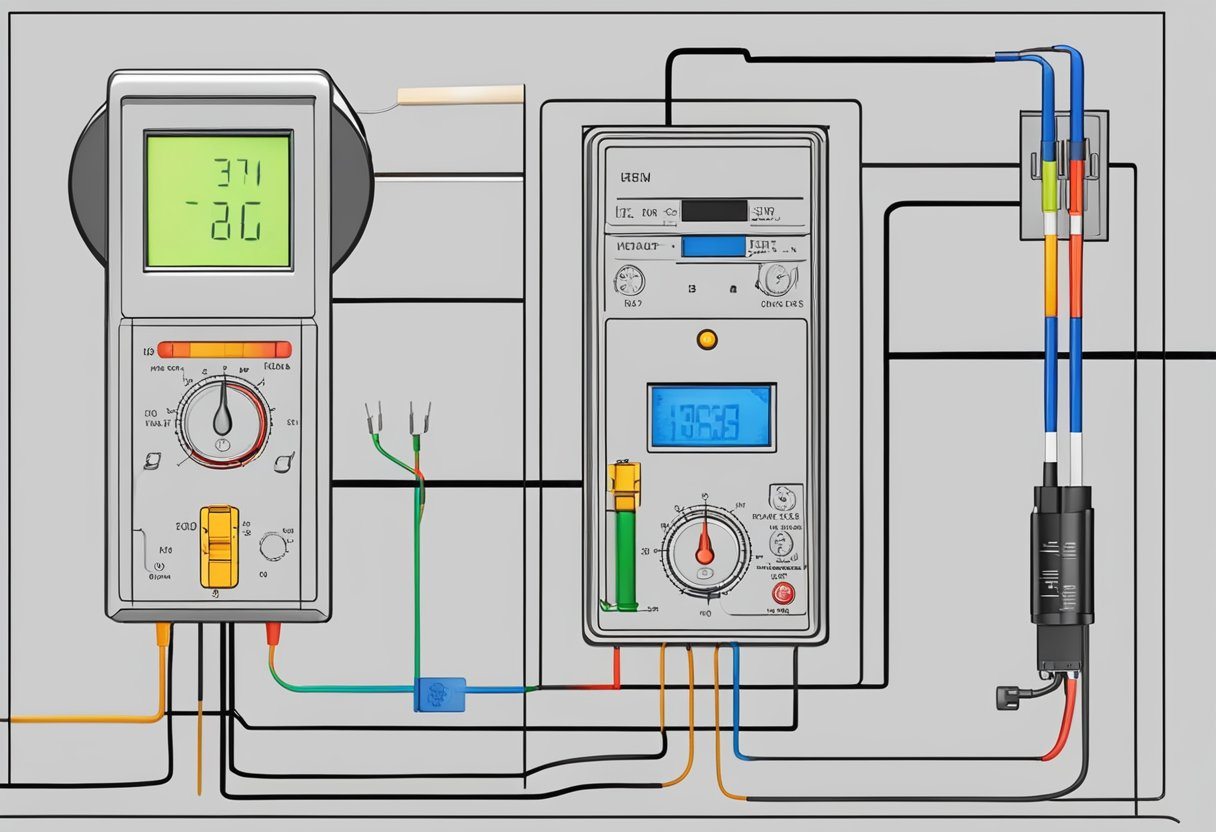
Thermocouples are essential devices used for temperature measurement, converting thermal energy into electrical voltage. They consist of two different metals joined at one end, creating a junction that produces a voltage correlated to the temperature difference between the junction and the reference end. These temperature sensors are valued for their wide range, durability, and quick response times in various applications. In numerous industries, thermocouples play a crucial role in monitoring and controlling temperatures, ensuring processes run efficiently and safely. They are commonly found in manufacturing, HVAC systems, and scientific research settings. By understanding how thermocouples work and where they can be

The Electronic Component Industry Trends: Insights into Current Dynamics and Future Directions

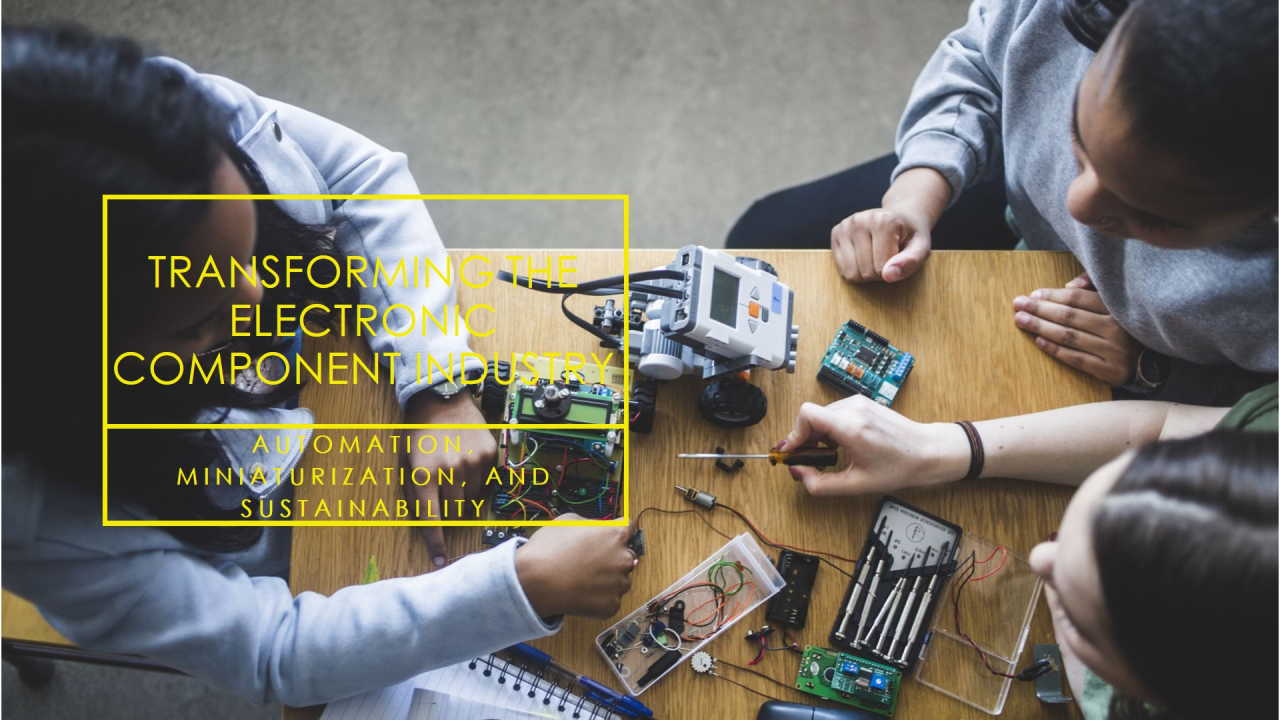
The electronic component industry is rapidly transforming, fueled by automation, miniaturization, and growing sustainability needs. As sectors increasingly depend on smart technologies and IoT, component manufacturers are innovating to keep pace. This article explores the primary industry trends, market insights, and technical advancements shaping the future of electronic components. 1. Industry-Wide Transformation Trends Rise of Automation and Smart Technologies Automation and AI are reshaping production processes within the electronic components industry. By automating manufacturing, companies can increase production speed, reduce errors, and maintain cost-effectiveness. Key sectors like consumer electronics, automotive, and industrial machinery are heavily investing in automated assembly lines

The Electronic Component Industry Trends

In the heart of every technological marvel, from smartphones to supercomputers, lies a complex web of electronic components. These tiny yet powerful entities are the building blocks of our digital world. As we stand on the brink of a new era, the electronic component industry is undergoing a transformation that is as exciting as it is challenging. Whether you’re a tech enthusiast, an industry professional, or simply curious about the future, the trends shaping this industry are nothing short of fascinating. The Pulse of Progress: An Overview The rapid evolution of technology has put the electronic component industry at the

Industrial Temperature Sensors: Types and Applications

Maintaining optimal temperature is essential across industries, from manufacturing to food processing, to ensure quality, safety, and efficiency. Temperature sensors provide the necessary monitoring and control. In this article, we explore the types of industrial temperature sensors, their applications, and the importance of choosing the right one. What Are Industrial Temperature Sensors? Industrial temperature sensors are devices that monitor and control temperature in industrial settings, providing critical feedback for quality control and safety. They convert thermal energy into electrical signals readable by control systems. Importance of Temperature Measurement Across Industries Manufacturing: Temperature impacts product quality, especially in metal fabrication, where

Shopping Cart
Scroll to Top
Scroll to Top