In many temperature measurement applications, one of the most common complaints is simple:
“The temperature sensor is not accurate.”
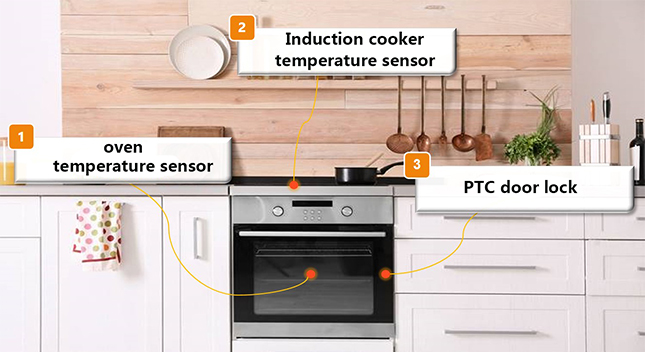
From HVAC systems to industrial ovens, from coffee machines to refrigeration units, this issue comes up again and again.
The usual reaction is to replace the sensor.
But in real engineering practice, experienced engineers rarely do that first.
Because in most cases:
The sensor is not the problem — the application is.
If a temperature reading looks wrong, there are several factors that should be checked before assuming the sensor itself is defective.
This article walks through the five most common causes behind inaccurate temperature readings — based on real application experience.
1. Is the Sensor Measuring the Right Point?
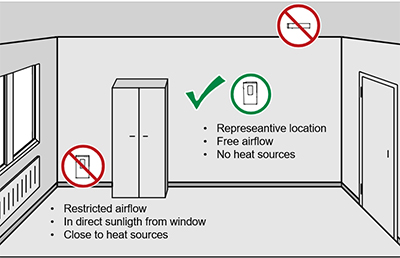
A temperature sensor only measures the temperature at its location.
This is one of the most underestimated issues in temperature measurement.
Typical problems:
- The probe is not tightly fixed
- There is an air gap between the sensor and the measured surface
- No thermal interface material is used
- The sensor is isolated inside a thick protective structure
What this causes:
- Slow response
- Lower readings than actual temperature
- Delay during heating or cooling cycles
Practical example:
On a heating plate, a loosely mounted sensor can read 5–10°C lower than the actual surface temperature.
Not because the sensor is inaccurate — but because heat is not transferred efficiently.
What engineers check:
- Is the sensor firmly attached?
- Is there direct contact or an air gap?
- Would thermal paste improve performance?
In many cases, improving contact solves the problem without changing the sensor.
3. Is the Wiring Correct?

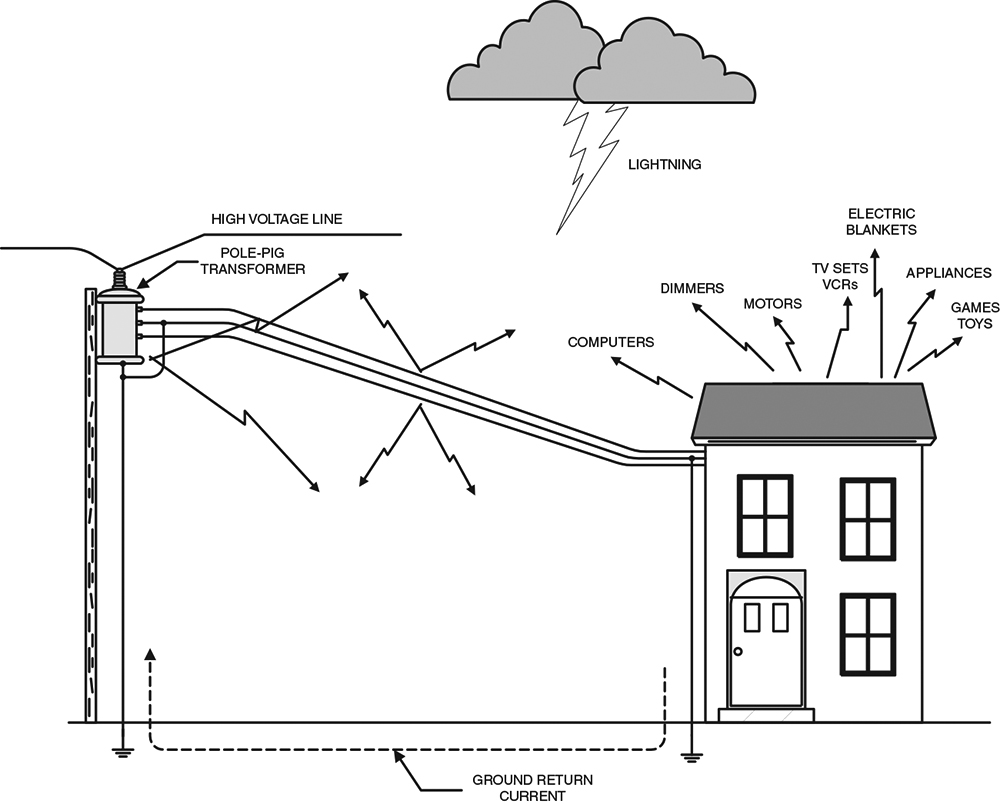
When readings are unstable or inconsistent, wiring is often the hidden cause.
Temperature measurement is not just about the sensor — it is about the entire signal path.
Common wiring issues:
- Using incorrect extension or compensation cables (thermocouples)
- Mixing signal cables with power cables
- Lack of shielding in noisy environments
- Improper grounding
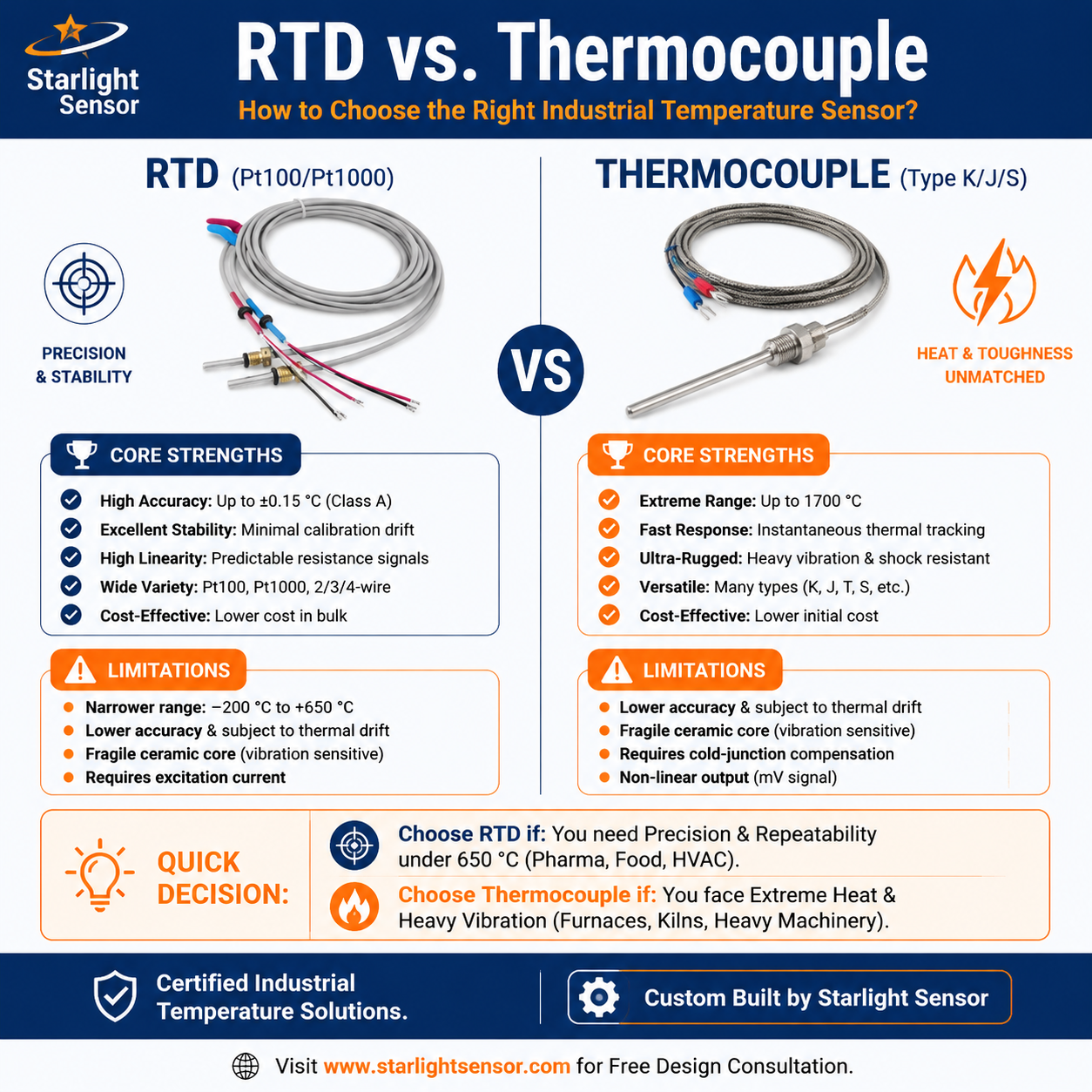
- Wrong RTD wiring configuration (2-wire vs 3-wire)
What this leads to:
- Noise and fluctuations
- Offset errors
- Drift over time
- Differences between systems
Real case:
A thermocouple system showed a consistent error of several degrees.
The sensor was fine — but the extension wire was standard copper instead of compensation cable.
What engineers check:
- Are correct cables used?
- Are signal lines separated from power lines?
- Is shielding properly grounded?
A correct sensor with incorrect wiring will still give incorrect results.
4. Is the Sensor Type Suitable?