News

NTC Thermistor Disc: OEM Selection & Integration

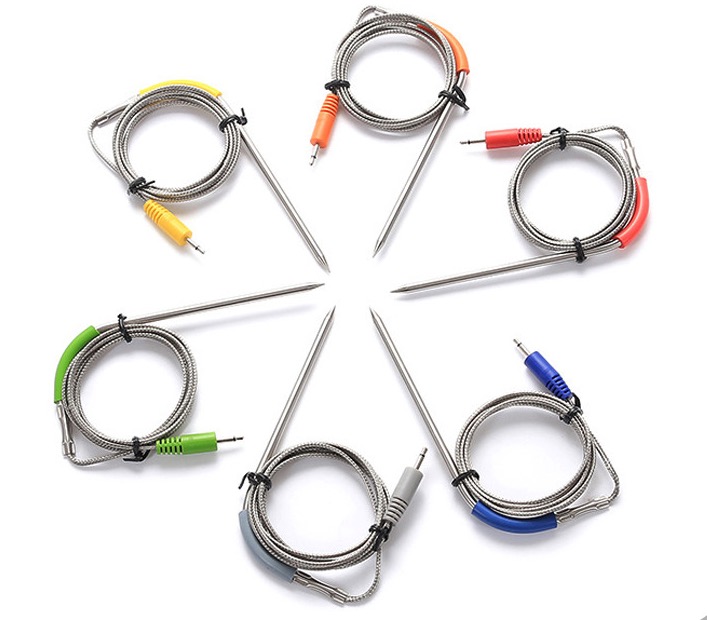
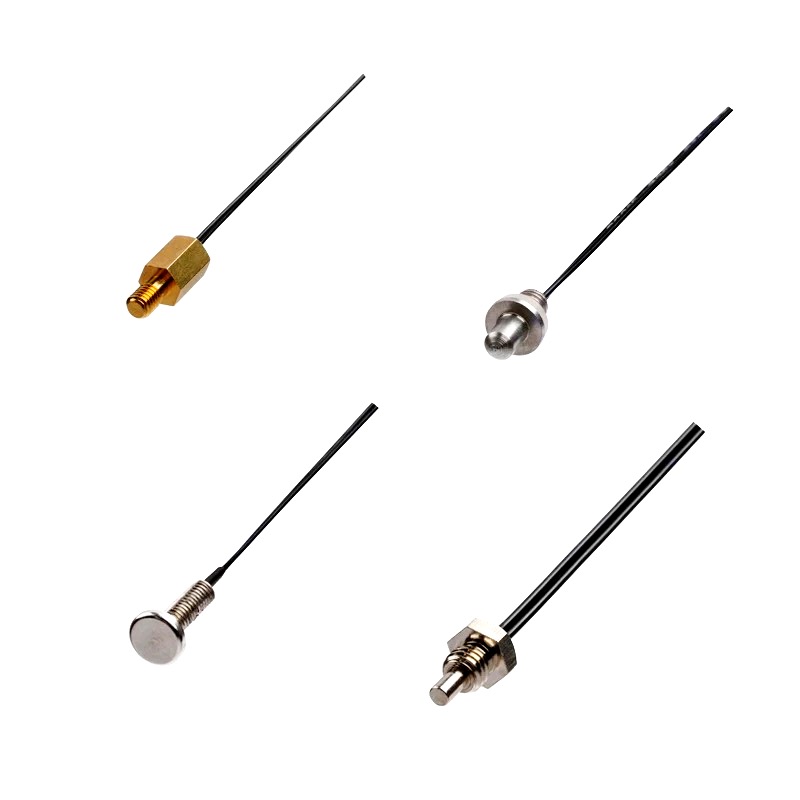
Article Summary What a disc-form NTC thermistor is Electrical and thermal behavior How to specify a disc for an OEM design Integration and validation checklist Conclusion What a Disc-Form NTC Thermistor Is An NTC thermistor disc is a component form of negative-temperature-coefficient thermistor. It is not automatically a finished temperature probe: lead attachment, insulation, mounting, protection, and connection to the measurement circuit depend on the selected construction and application. Some manufacturers offer disc elements with leads and without leads, as well as separately packaged probes. Confirm the exact configuration in the manufacturer’s datasheet; TDK’s NTC thermistor product profile illustrates the
Comprehensive Guide to NTC Thermistor Diode Applications

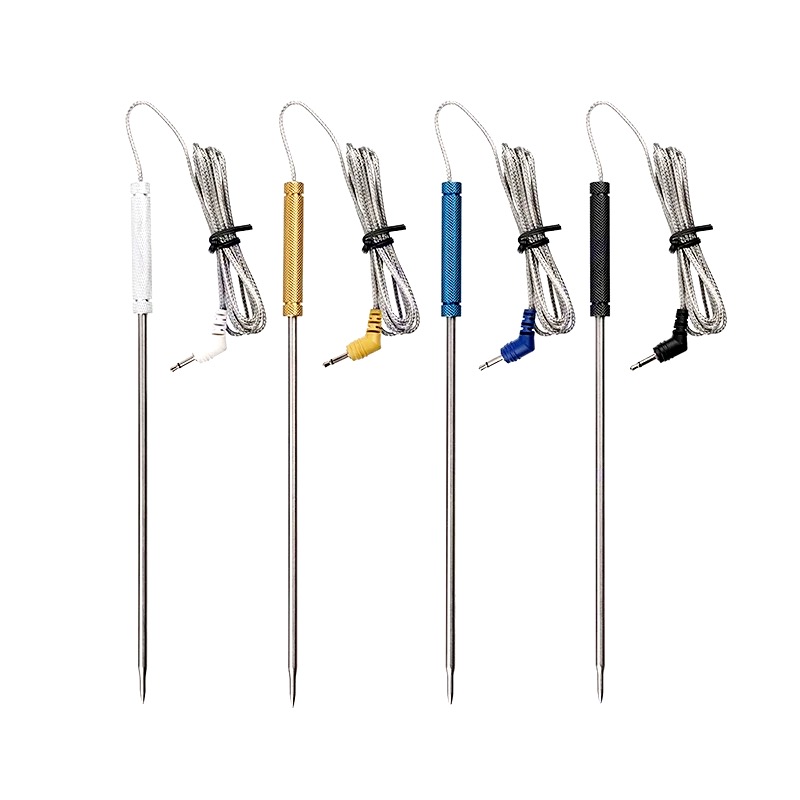
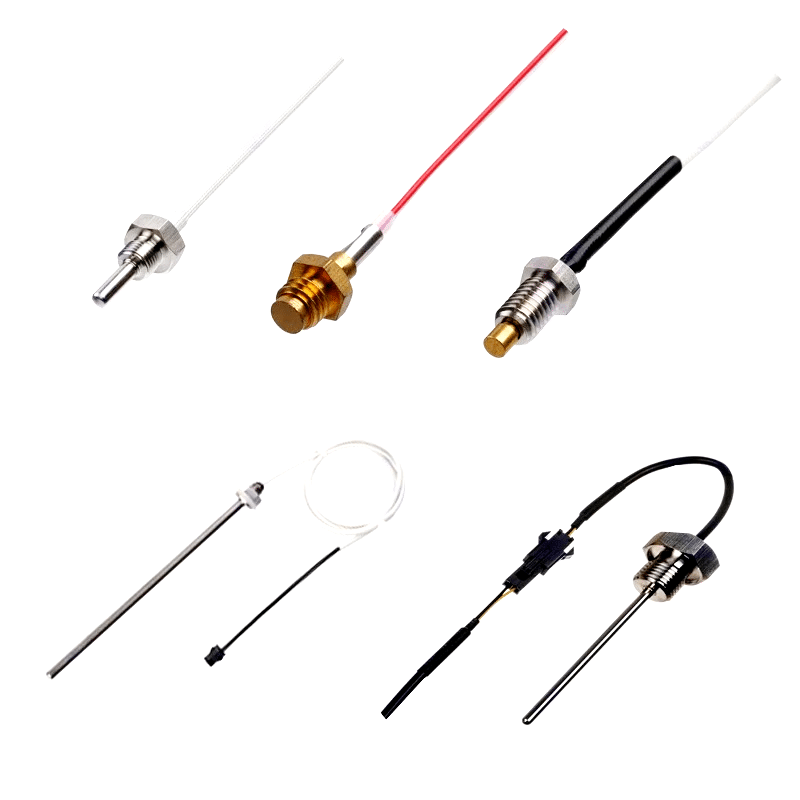
Understanding NTC Thermistor Diode: A Comprehensive Guide Understanding NTC Thermistor Diode: A Comprehensive Guide Table of Contents Introduction Functions of NTC Thermistor Diode Applications of NTC Thermistor Diode Selection Tips for NTC Thermistor Diode Conclusion Introduction NTC thermistor diodes are semiconductor devices that exhibit a specific electrical resistance change with temperature. They are widely used in various electronic applications due to their unique characteristics. Functions of NTC Thermistor Diode NTC thermistor diodes primarily function as temperature sensors and are commonly used for temperature compensation, control, and measurement. These diodes exhibit a negative temperature coefficient, meaning their resistance decreases as the

Comprehensive Guide to NTC Thermistor Design & Applications

NTC Thermistor Design Guide – A Comprehensive Resource NTC Thermistor Design Guide – A Comprehensive Resource Article Summary This article serves as a comprehensive guide for designing and understanding NTC (Negative Temperature Coefficient) thermistors – highly sensitive devices used in temperature control and measurement applications. This guide will cover key considerations, design principles, characteristics, and applications of NTC thermistors. Whether you are an engineer, researcher, or simply curious about thermistors, this guide will provide valuable insights into their design and usage. Table of Contents Key Considerations for NTC Thermistor Design Design Principles for Optimal Performance Understanding NTC Thermistor Characteristics Applications

NTC Thermistors: Definition, Applications, and Advantages

Understanding NTC Thermistor: Definition and Applications Understanding NTC Thermistor: Definition and Applications Welcome to our comprehensive guide on NTC thermistors! In this article, we will explore the definition of NTC thermistors and delve into their various applications. Whether you are new to the field or an experienced professional, this article will provide you with valuable insights and knowledge. Table of Contents Definition of NTC Thermistors Working Principle Applications of NTC Thermistors Advantages and Limitations Definition of NTC Thermistors An NTC (Negative Temperature Coefficient) thermistor is a type of resistor whose electrical resistance decreases as the temperature increases. It is made

NTC Thermistor: Comprehensive Guide for Engineers

NTC Thermistor Datasheet: A Comprehensive Guide for Engineers NTC Thermistor Datasheet: A Comprehensive Guide for Engineers Introduction | Basics of NTC Thermistors | Characteristics | Applications Introduction Welcome to our comprehensive guide on NTC (Negative Temperature Coefficient) thermistors! Whether you’re an engineer or simply curious about electronic components, this article will provide you with all the essential information you need. Basics of NTC Thermistors NTC thermistors are temperature-sensitive resistors whose resistance decreases as the temperature increases. They are widely used in various applications that require temperature measurement, control, and compensation. Here are some key points about NTC thermistors: NTC thermistors

2023 Best NTC Temperature Sensor - Starlightsensors

NTC Thermistor Datasheet: How to Read Key Specs

Article Summary Start with the exact part and datasheet revision Read the resistance and curve data Check assembly and operating limits Use the datasheet in OEM qualification Conclusion Start with the Exact Part and Datasheet Revision An NTC thermistor datasheet describes a particular component or product family. Begin by matching the full manufacturer part number, suffix, package or probe configuration, and document revision to the item being quoted or received. Similar-looking codes can refer to different resistance values, tolerances, lead forms, or assemblies. Do not infer specifications from a shortened marking or from another supplier’s nominally similar part. For a

NTC Thermistor Data Logging: Sensor & Logger Setup

Article Summary How an NTC sensor works with a logger Signal input and conversion Sensor, logger and installation choices OEM validation checklist Conclusion How an NTC Sensor Works with a Data Logger An NTC thermistor is a passive resistive temperature sensor: its resistance changes with temperature. A data logger records a signal over time, but the logger must have a compatible resistance input or a suitable excitation and measurement circuit. The NTC sensor does not itself provide digital readings, wireless connectivity, cloud storage, or alarms. Those functions depend on the logger and the complete system. For an OEM monitoring design,

NTC Inrush Current Limiter: Selection & Limits

Article Summary What an NTC inrush current limiter does Cold-start operation Selection and operating limits OEM validation checklist Conclusion What an NTC Inrush Current Limiter Does An NTC inrush current limiter (ICL) is a power-protection component placed in series with a load to reduce the brief surge that can occur when an input capacitor or other load is first energized. It is different from an NTC temperature sensor: an ICL is selected for its electrical and thermal behavior in a power circuit, while a sensing thermistor is selected to measure temperature using its specified resistance-temperature (R/T) curve. Do not treat

Shopping Cart
Scroll to Top
Scroll to Top