News

Mastering the Perfect BBQ: How Temperature Probes and Sensors Make All the Difference

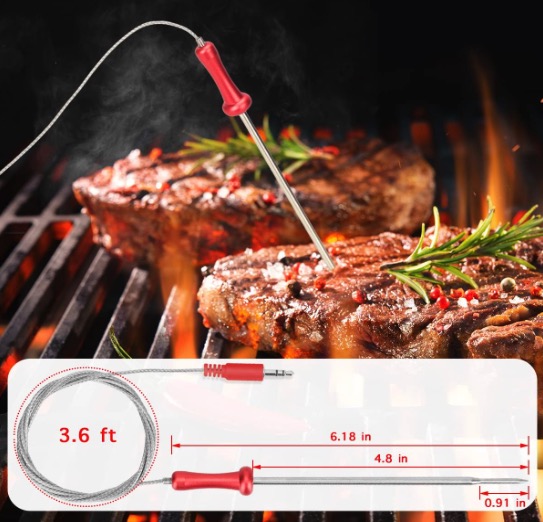
Barbecuing is more than just a cooking technique; it’s a tradition that brings people together over the sound of sizzling meat, the aroma of smoke, and the shared joy of great food. Whether you’re a seasoned grill master or just a weekend warrior, achieving BBQ perfection involves more than just your grilling skills. One key tool that elevates your barbecue game is a reliable temperature probe. This essential device ensures that your meat is not only safe to eat but also cooked to flavorful perfection. What Are BBQ Temperature Probes? BBQ temperature probes, also known as thermocouples or temperature sensors,
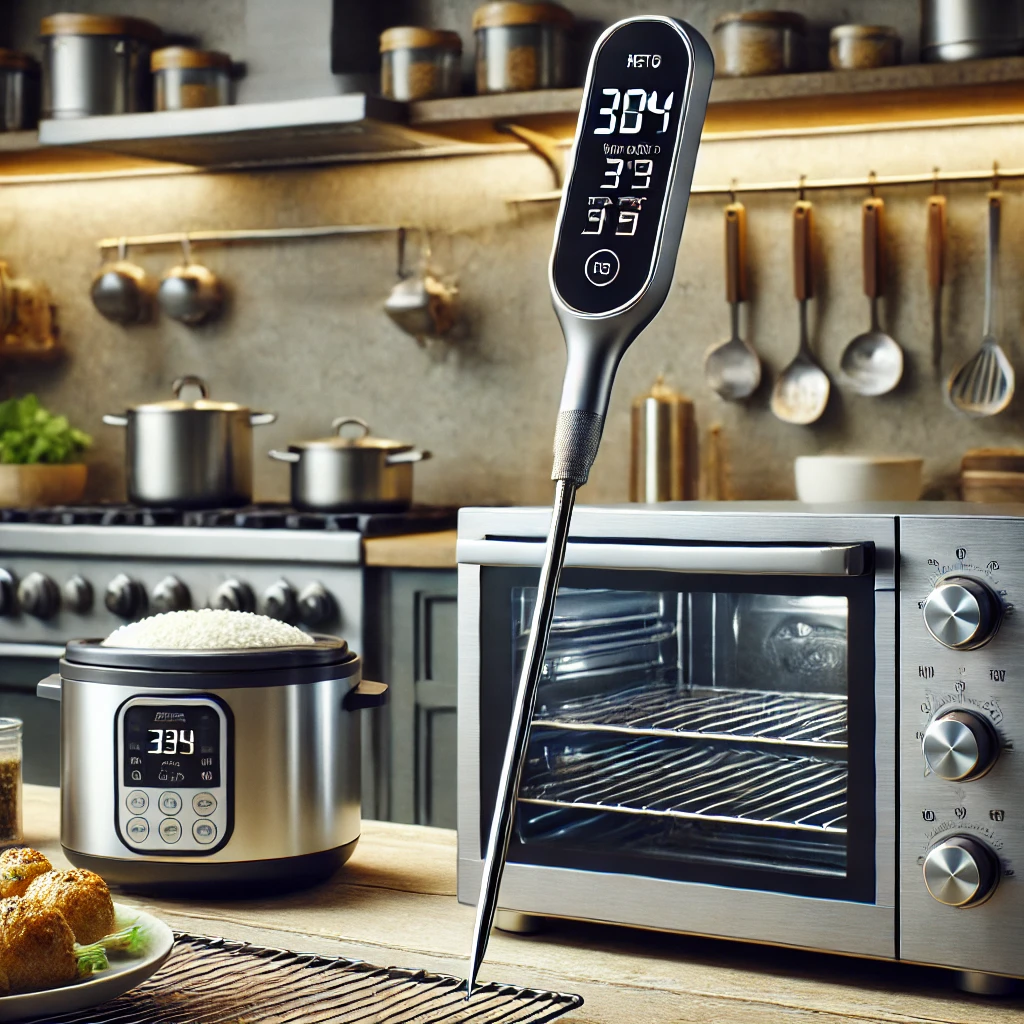
High-Precision 304 Stainless Steel NTC Temperature Sensors for Rice Cookers and Ovens: Innovation in Cooking Technology

In the modern kitchen, precise temperature control plays a critical role in delivering optimal cooking results. Whether it’s baking in an oven or preparing meals in a rice cooker, the role of high-precision temperature sensors cannot be overstated. One of the leading solutions in this area is the 304 stainless steel, fast-reacting NTC temperature probe. This advanced temperature sensor provides unparalleled accuracy, durability, and response time, making it ideal for both household and commercial kitchen appliances. Understanding the Technology NTC (Negative Temperature Coefficient) temperature sensors work by changing their resistance in response to temperature variations. This feature allows them to

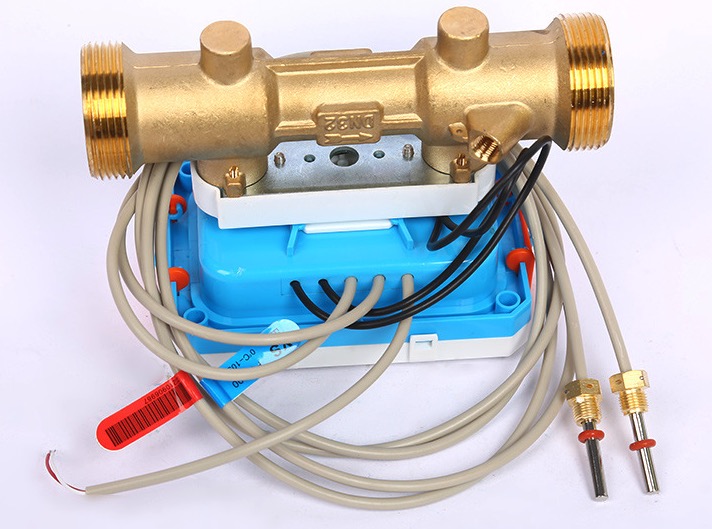
PT1000 Sensors for Heat Meters: Matched-Pair OEM Selection Guide

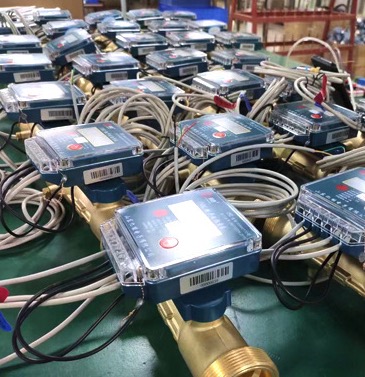
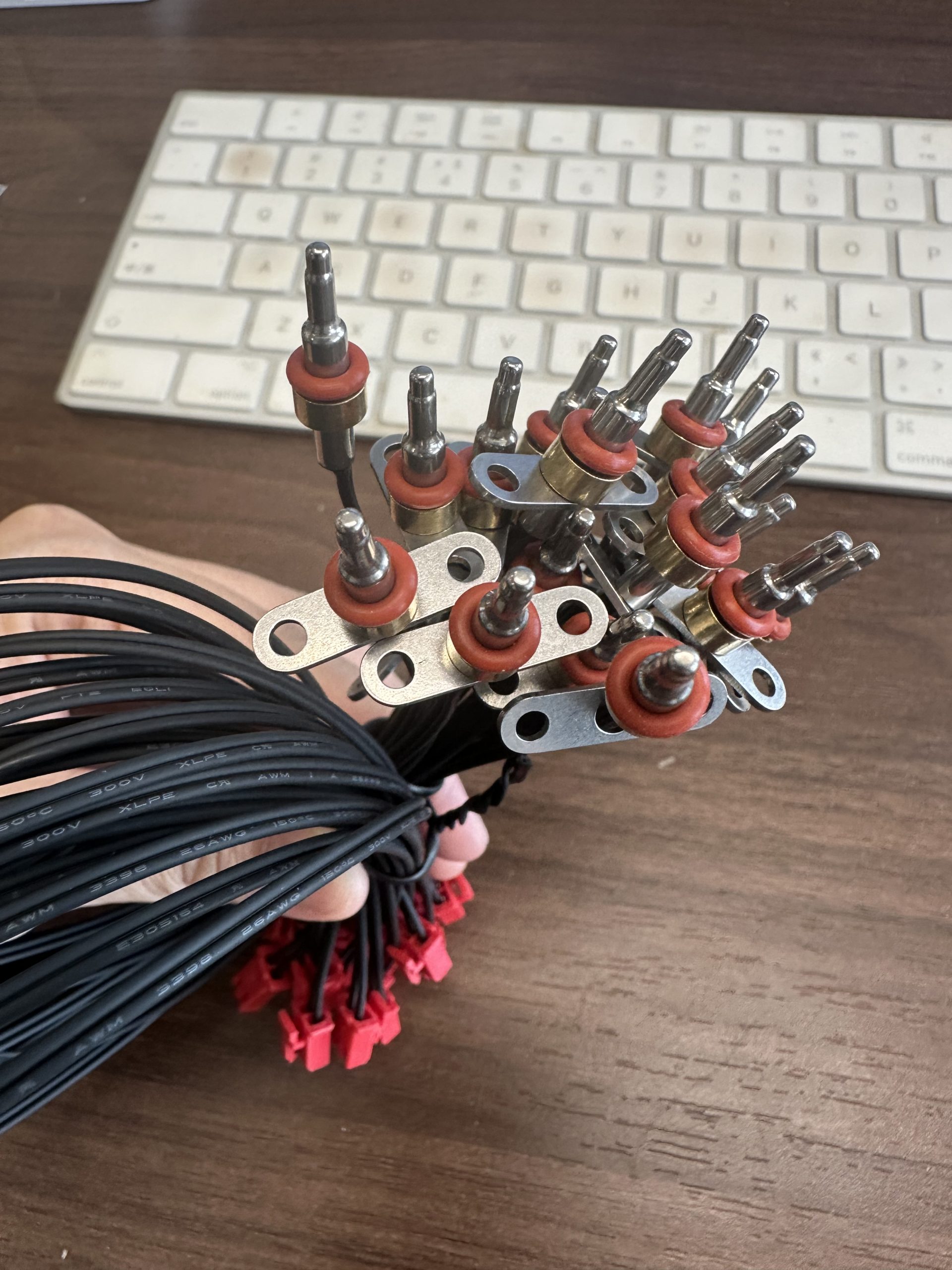
Heat meters measure thermal energy transferred by a heat-conveying liquid. PT1000 RTDs measure temperature through a predictable change in platinum resistance; the sensing element itself is not a digital output device. A heat meter uses temperature measurement together with flow information and its configured calculation method. The role of PT1000 sensors in a heat meter A heat meter commonly measures the liquid temperature at the flow and return points. The difference between these readings contributes to the energy calculation, while a flow sensor measures how much heat-conveying liquid passes through the circuit. The calculator combines these measurements using the fluid

The Role and Function of Temperature Sensors in Heat Meters

Heat meters combine flow information with the temperature difference between the flow and return sides of a heating or cooling circuit. Temperature sensors provide those readings to the meter calculator; the sensor type, installation and wiring must match the meter’s documented configuration. How temperature sensors work in a heat meter A typical heat meter uses a flow sensor, a temperature-sensor pair and a calculator. One temperature probe is installed at the designated flow point and the other at the return point. The calculator combines their readings with the flow measurement and the heat-conveying liquid data specified for the meter. OIML

Advanced NTC Temperature Sensor for Blenders and Food Processors

In the world of modern kitchen appliances, precise temperature control is essential for achieving optimal performance and ensuring food safety. The 100K3950 NTC Temperature Sensor is designed specifically for high-performance blenders and food processors, providing accurate temperature measurements and reliable performance. Understanding the NTC Temperature Sensor What is an NTC Temperature Sensor? NTC (Negative Temperature Coefficient) thermistors are temperature sensors that decrease in resistance as temperature increases. The 100K3950 model is a high-precision thermistor, known for its reliability and accuracy in a wide range of applications, particularly in kitchen appliances like blenders and food processors. How Does the 100K3950 NTC

Unlocking Precision and Control: The Diverse Applications and Functions of Temperature Sensors

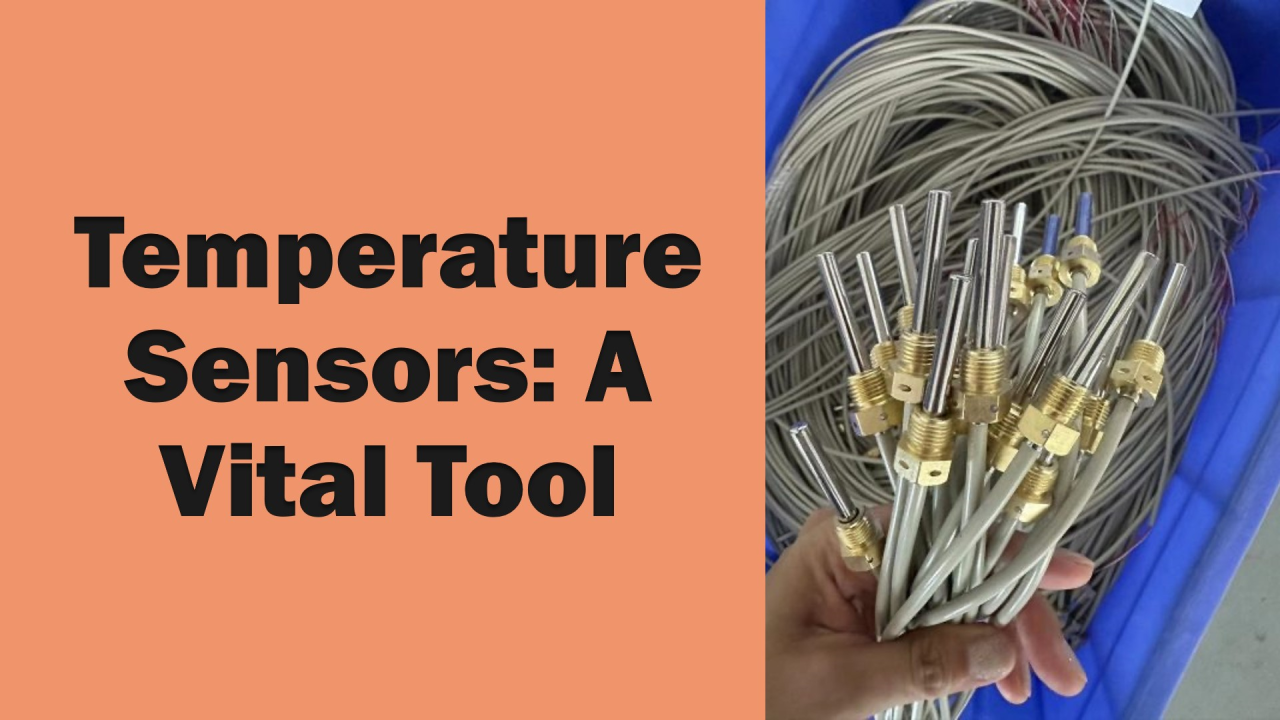
Introduction: Temperature Sensors: Precision in Measurement and Control Temperature Sensors: Temperature sensors are pivotal instruments utilized across industries for detecting and quantifying temperature changes with remarkable accuracy. Their versatility and reliability make them indispensable in numerous applications. Applications: Temperature sensors find extensive application across diverse sectors, including manufacturing, healthcare, environmental monitoring, and scientific research. In manufacturing, they ensure product quality by monitoring and controlling temperature during various production processes. In healthcare, temperature sensors aid in diagnostics, patient monitoring, and laboratory procedures. Environmental monitoring relies on temperature sensors for weather forecasting, climate research, and ecological studies. Research endeavors benefit from temperature

Shopping Cart
Scroll to Top
Scroll to Top