
News

thermocouple sensor types

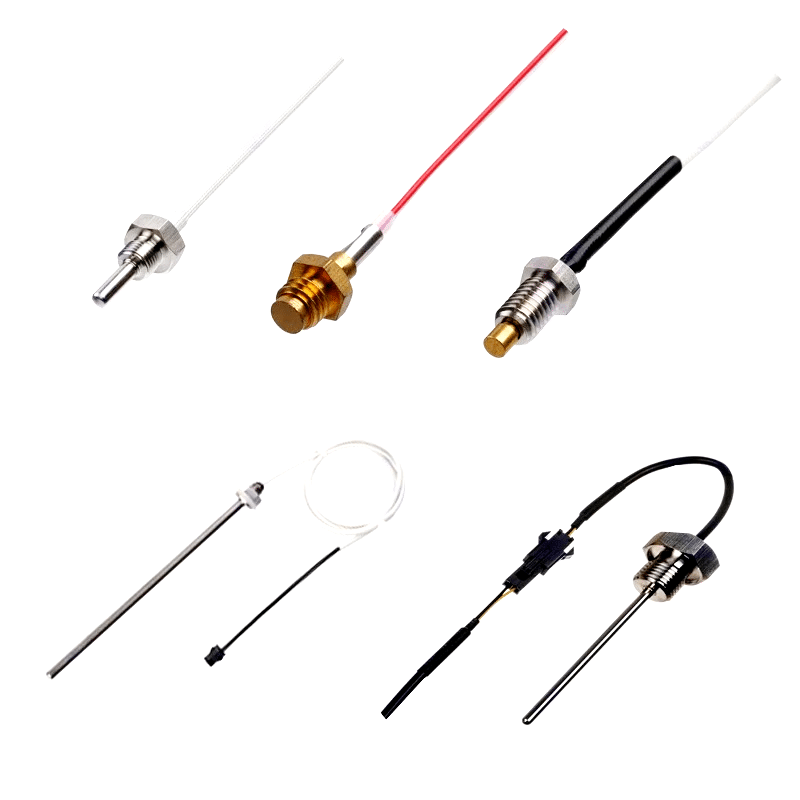
Thermocouple Sensor Types: A Comprehensive Guide to Understanding and Choosing the Right Option Abstract: This article provides a comprehensive guide to understanding the different types of thermocouple sensors available in the market. From exploring the principles behind thermocouple sensors to discussing their various applications, this guide aims to help you make an informed decision when choosing the right thermocouple sensor type for your specific needs. Table of Contents: 1. Introduction 2. Understanding Thermocouple Sensors 3. Popular Thermocouple Sensor Types 3.1 Type K Thermocouples 3.2 Type J Thermocouples 3.3 Type T Thermocouples 3.4 Type E Thermocouples 3.5 Type N Thermocouples 4.
thermocouple pyrometer

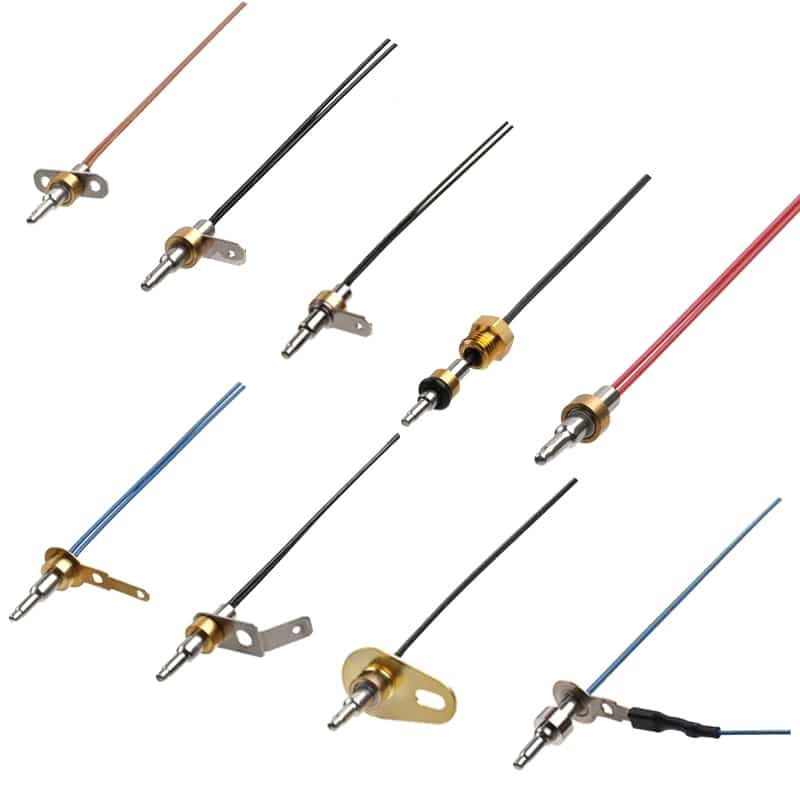
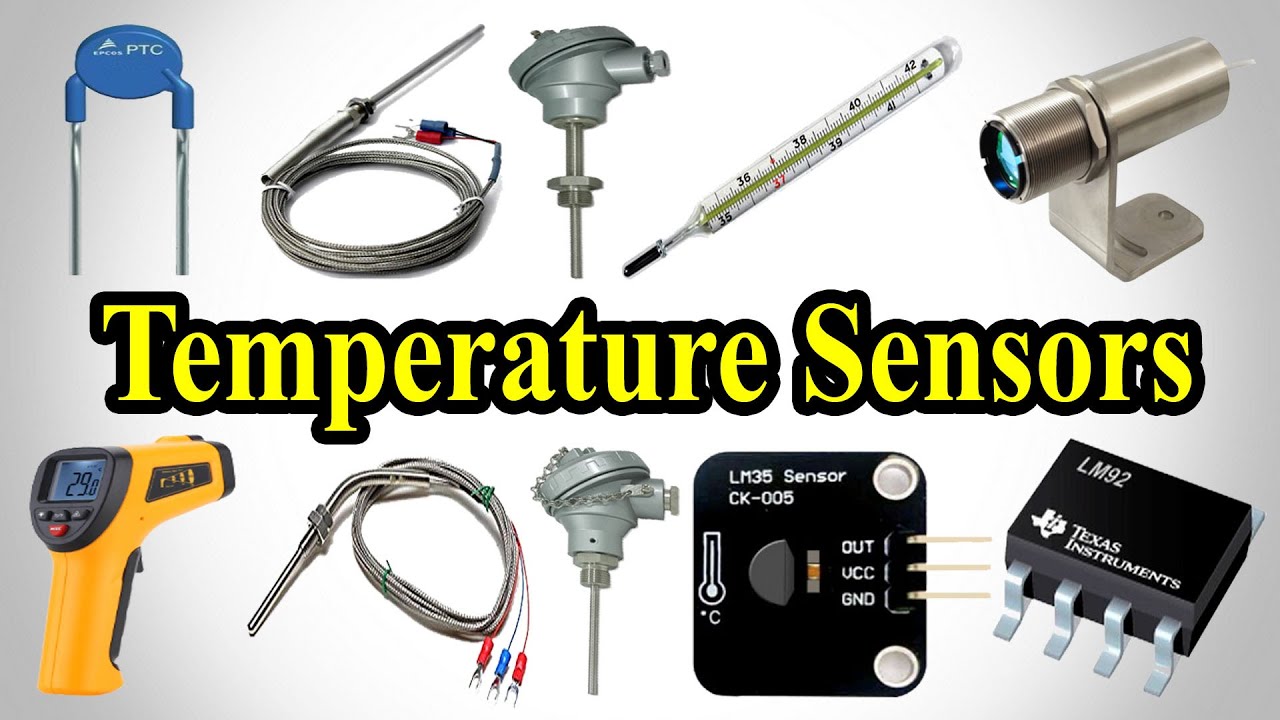
Thermocouple Pyrometer: Contact Probe or Infrared Instrument? The phrase “thermocouple pyrometer” can refer to different temperature-measurement setups. A thermocouple probe measures temperature through contact at its sensing junction. A radiation or infrared pyrometer estimates a target’s surface temperature from emitted radiation without touching it. Some handheld infrared instruments also accept a thermocouple probe, so it is important to identify which measurement method an application requires. How the measurement methods differ Contact measurement with a thermocouple A thermocouple probe is placed at or in the measurement point. The probe generates a signal that compatible instrumentation converts to a temperature reading. Probe

thermocouple products

Thermocouple Products: A Comprehensive Guide to Choosing the Right One Summary: If you’re looking for a way to measure temperature, thermocouple products might just be what you need. In this guide, we’ll go over everything you need to know about thermocouples, including how they work, their benefits, and how to choose the right one for your needs. I. What are Thermocouple Products? A. Definition B. Types of Thermocouples C. How They Work II. Benefits of Thermocouple Products A. Wide Temperature Range B. Quick Response Time C. Durability and Reliability III. How to Choose the Right Thermocouple Product A. Temperature Range

thermocouple price

Thermocouple Price: What Affects Your OEM Quote? Thermocouple pricing depends on the sensor design and the requirements of the application. A useful comparison starts with a complete specification rather than a headline price. This guide outlines the main quote factors for buyers sourcing thermocouple probes for equipment or production. Key factors that affect thermocouple cost Thermocouple type and materials: Identify the required type and confirm that the wire, sheath, and wetted materials suit the process environment. Probe construction: Probe diameter, insertion length, junction style, sheath construction, and bend or routing requirements affect design and manufacturing. Temperature and operating conditions: Share

2023 Best NTC Temperature Sensor - Starlightsensors

thermocouple multiplexer

Thermocouple Multiplexer Selection for OEM Temperature Measurement A thermocouple multiplexer is part of a measurement and data-acquisition system: it routes or scans multiple sensor inputs for compatible measurement equipment. It is not a thermocouple probe and does not by itself define the sensing range, accuracy, or response of the full installation. For an OEM project, check the multiplexer, thermocouple probes, cold-junction reference, signal conditioning, software, and wiring as one measurement chain. What to verify before selecting a thermocouple multiplexer Channel count and scan plan: State the number of sensing points, which channels must be read together, and how often the

thermocouple measurement

Thermocouple Measurement: A Practical OEM Setup and Error-Check Guide Thermocouple measurement starts with a probe at the sensing point and a compatible instrument that reads its signal. The result depends on the sensor, its installation, wiring, reference-junction handling, and readout configuration. This guide focuses on checks that help engineers specify an OEM probe and troubleshoot a measurement chain. How a thermocouple measurement works A thermocouple uses two dissimilar conductors joined at a measuring junction. The generated electromotive force is related to the temperatures at the measuring and reference junctions and to the thermocouple type. The instrument must be configured for

thermocouple ic

Thermocouple Interface ICs: OEM Probe and Readout Compatibility A thermocouple interface IC is an electronic component used in the readout chain. Depending on the specific device, it may amplify or digitize the small thermocouple signal and may include cold-junction compensation or other functions. It is not the thermocouple sensing element. For an OEM design, select the IC and probe together, then verify the exact device datasheet and application requirements. What to check when choosing a thermocouple IC Supported thermocouple type: Confirm that the IC supports the selected probe type and whether the device is type-specific or configurable. Signal path: Identify

thermocouple holder

Thermocouple Holder Selection for OEM Probe Installation A thermocouple holder is a mounting or retention component used to position a probe in an assembly. It is not the sensing element and does not determine the thermocouple’s electrical output or calibration. Since “holder” can refer to different mounting arrangements, define the probe and process interface before requesting a replacement or custom assembly. Information to confirm before choosing a holder Probe fit: Provide the probe outside diameter, insertion length, and the area where the holder must retain or support it. Confirm tolerances with the supplier. Mounting interface: Identify whether the assembly uses

thermocouple head

Thermocouple Connection Head: OEM Assembly Selection Guide A thermocouple connection head is the enclosure at the sensor connection end of some industrial assemblies. Depending on the assembly, it can contain a terminal block or a transmitter connection. The head is part of the complete sensor assembly; it is not the thermocouple measuring junction. Its function and environmental protection depend on the selected design and documentation. What to specify for a thermocouple head Sensor assembly: Identify the thermocouple type, single or multiple elements if applicable, probe or measuring insert, and the corresponding instrument input. Terminal or transmitter arrangement: State whether the

thermocouple gauge(thermocouple gauge工作原理)

Thermocouple Gauge: Vacuum Pressure Gauge or Temperature Sensor? The term “thermocouple gauge” is ambiguous. In vacuum measurement, it usually refers to a gauge tube that uses a heated element and thermocouple response to infer gas pressure from heat loss. This is a vacuum-pressure measurement device, not an ordinary contact temperature probe for measuring a process surface or fluid. A thermocouple temperature sensor, by contrast, measures temperature at its sensing junction and connects to compatible temperature instrumentation. How a thermocouple vacuum gauge works In a thermocouple vacuum gauge tube, an electrically heated element exchanges heat with the surrounding gas. The gas

Shopping Cart
Scroll to Top
Scroll to Top