News

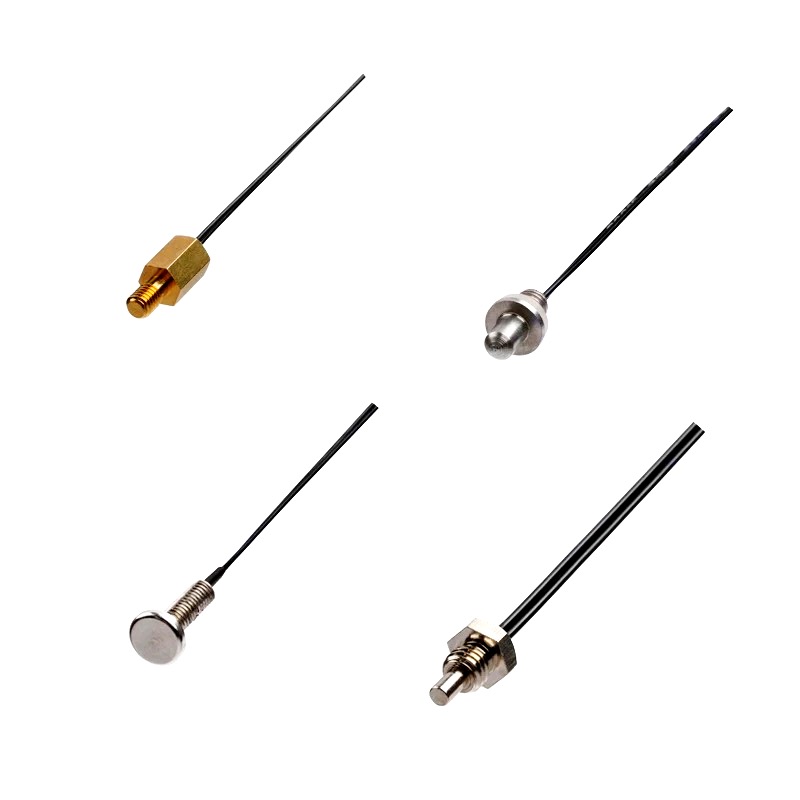
NTC temperature sensor probe assemblies with threaded and spring-loaded housings

Exploring Humidity Sensors: A Comprehensive Overview

Exploring Humidity Sensors: A Comprehensive Description Exploring Humidity Sensors: A Comprehensive Description Article Summary Introduction Working Principle of Humidity Sensors Different Types of Humidity Sensors Applications of Humidity Sensors Introduction Humidity sensors, also known as hygrometers, are electronic devices used to measure and monitor the amount of moisture present in the air or any other gas. They play a crucial role in various industries and applications where maintaining optimal humidity levels is vital for human comfort, product quality, and process control. Working Principle of Humidity Sensors Humidity sensors operate on different working principles depending on their type. One common method
Exploring NTC Thermistors: Working Principles and Applications

How NTC Thermistor Works – An In-depth Guide How NTC Thermistor Works Article Summary Introduction Working Principle of NTC Thermistor Applications of NTC Thermistors Advantages and Disadvantages of NTC Thermistors Conclusion Introduction NTC (Negative Temperature Coefficient) thermistors are an important type of temperature sensor widely used in various industries and applications. In this article, we will explore the working principle, applications, advantages, and disadvantages of NTC thermistors. Working Principle of NTC Thermistor NTC thermistors are made from semiconductor materials with a negative temperature coefficient, meaning that their resistance decreases as the temperature increases. This unique characteristic allows them to accurately

NTC Thermistor OEM Integration: Application & Validation Guide

For an OEM temperature measurement system, selecting an NTC thermistor is only one part of the design. The sensing element, probe construction, mounting location, electrical interface, controller curve, and validation method must work together. This guide focuses on those integration decisions for equipment designers and sourcing teams; it complements our separate articles on the NTC principles and industry applications and general NTC application categories. Article Summary Define the Measurement Point Match the Probe to the Environment Check the Electrical Interface Validate the Installed System Define the Measurement Point Start with the temperature the control system must know: air, liquid, a

Demystifying NTC Thermistors: Working Principles & Applications

How Does NTC Thermistor Work – An In-depth Explanation How Does NTC Thermistor Work Abstract In this article, we will explore the working principle of an NTC thermistor and how it functions in various applications. We will discuss the basic theory behind NTC thermistors, their construction, and their role in temperature sensing and control systems. Table of Contents Introduction Theoretical Background Construction of NTC Thermistors Applications of NTC Thermistors Introduction An NTC (Negative Temperature Coefficient) thermistor is a type of resistor whose resistance decreases as its temperature increases. It is widely used in various industries for temperature measurement, temperature compensation,

Understanding Humidistats: Measuring Humidity with Precision

How Does a Humidistat Measure Humidity? How Does a Humidistat Measure Humidity? Article Summary Introduction Working Principle of a Humidistat Types of Humidistats Applications of Humidistats Conclusion Introduction A humidistat is a device used to measure and control the humidity levels in various environments. It plays a crucial role in maintaining optimal humidity for comfort, health, and specific industrial processes. In this article, we will explore how a humidistat measures humidity and its importance in different settings. Working Principle of a Humidistat A humidistat utilizes a sensing element to detect changes in humidity. The most commonly used sensing element is

Honeywell Temperature and Humidity Sensors: The Ultimate Guide

Honeywell Temperature and Humidity Sensor – The Ultimate Guide Honeywell Temperature and Humidity Sensor – The Ultimate Guide Abstract: Welcome to the ultimate guide on Honeywell temperature and humidity sensors. In this comprehensive article, we will explore the features, benefits, and applications of these innovative sensors. Whether you’re a homeowner, business owner, or technology enthusiast, understanding the importance of temperature and humidity monitoring is crucial. Let’s dive in! 1. Introduction Temperature and humidity play a vital role in our daily lives, affecting our comfort, health, and overall well-being. Honeywell, a renowned manufacturer of cutting-edge technologies, has developed state-of-the-art temperature and

2023 Best NTC Temperature Sensor - Starlightsensors

Comprehensive Guide to Honeywell 20k NTC Thermistor Usage

Honeywell 20k NTC Thermistor: Model and Datasheet Guide Honeywell 20k NTC Thermistor: Model and Datasheet Guide Article Summary What this guide covers How NTC thermistors work What “20k” tells you How to read model-specific data OEM selection checklist What this guide covers This guide explains how to evaluate a Honeywell 20k NTC thermistor reference during a design review. The exact part number and its current manufacturer datasheet are essential: a nominal resistance label alone does not identify a complete sensor specification. How NTC thermistors work An NTC (negative temperature coefficient) thermistor has lower resistance as temperature rises. Its resistance-temperature relationship

Enhancing Home Living: The HomePod Temperature & Humidity Sensor Guide

HomePod Temperature and Humidity Sensor – The Ultimate Guide HomePod Temperature and Humidity Sensor – The Ultimate Guide Table of Contents Introduction How Does the HomePod Temperature and Humidity Sensor Work? Benefits of the HomePod Temperature and Humidity Sensor How to Set Up and Use the HomePod Temperature and Humidity Sensor Conclusion Introduction Welcome to our comprehensive guide on the HomePod temperature and humidity sensor! The HomePod, known for its exceptional audio quality and smart home capabilities, now includes a built-in sensor to monitor and track the temperature and humidity levels in your home. How Does the HomePod Temperature and

HomePod Mini Temperature and Humidity Sensor: Features and Benefits

HomePod Mini Temperature and Humidity Sensor HomePod Mini Temperature and Humidity Sensor Table of Contents Introduction Key Features Benefits of a Temperature and Humidity Sensor Applications Introduction Welcome to our article on the HomePod Mini temperature and humidity sensor. The HomePod Mini is not only a smart speaker, but it also packs a built-in temperature and humidity sensor. In this article, we will explore the key features of this innovative device and discuss its numerous benefits. Key Features The HomePod Mini temperature and humidity sensor offers several impressive features: Precise temperature and humidity measurements Real-time data monitoring Integration with smart

Unlocking Precision: The Versatility of 2k NTC Thermistors

Discover the Power of 2k NTC Thermistors – A Comprehensive Guide Discover the Power of 2k NTC Thermistors – A Comprehensive Guide Table of Contents Introduction How Do 2k NTC Thermistors Work? Applications of 2k NTC Thermistors Advantages of 2k NTC Thermistors Introduction 2k NTC thermistors are a type of temperature-sensitive resistors commonly used in various industries. These tiny electronic components have gained significant popularity due to their precise temperature sensing capabilities and compact size. In this comprehensive guide, we will explore how 2k NTC thermistors work, their applications, and the advantages they offer over other temperature sensing options. Let’s

Shopping Cart
Scroll to Top
Scroll to Top