Fluke Type T Thermocouple – The Ultimate Guide
Table of Contents
- Introduction
- What is a Fluke Type T Thermocouple?
- Features and Benefits
- Applications
- Choosing the Right Fluke Type T Thermocouple
- Maintenance and Care
- Conclusion
Introduction
Welcome to our comprehensive guide on Fluke Type T thermocouples! In this article, we will explore everything you
need to know about Fluke’s Type T thermocouples, including their features, applications, selection criteria,
and maintenance tips. So, let’s dive in and learn more about this remarkable temperature measurement device.
What is a Fluke Type T Thermocouple?
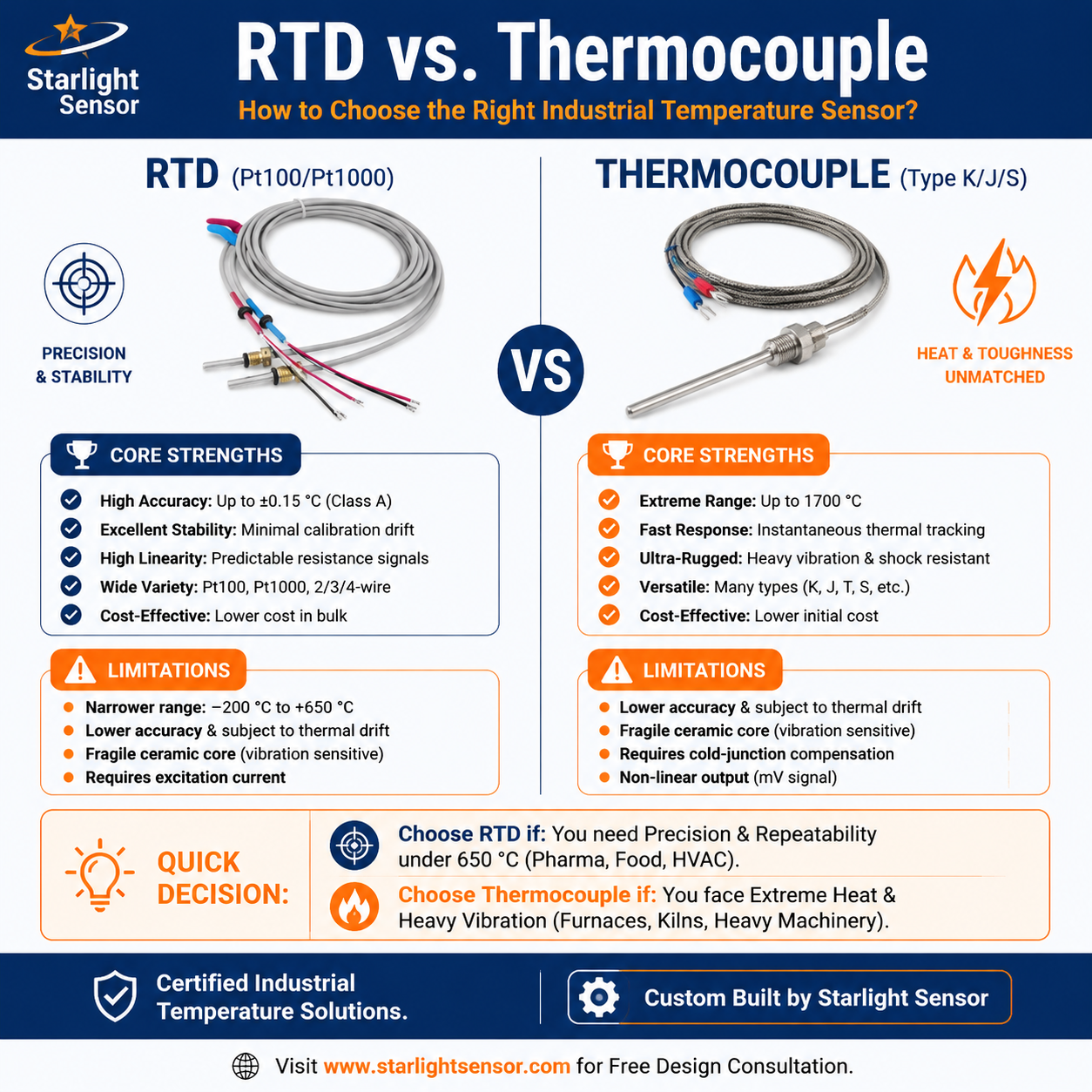
A Fluke Type T thermocouple is a temperature sensor specifically designed for accurate temperature measurements in
various industrial applications. It consists of two different metal wires – copper (positive) and constantan
(negative) – joined together at one end to form a sensing junction. The other ends of the wires are connected to
a data acquisition device, such as a multimeter or a temperature meter, for temperature readings.
Features and Benefits
Fluke Type T thermocouples offer several features and benefits that make them ideal for demanding temperature
measurement tasks. Some key features include:
- Wide temperature range: Fluke Type T thermocouples can measure temperatures ranging from -200°C to
350°C, making them suitable for both low and high-temperature applications. - High accuracy: These thermocouples provide precise temperature measurements with an accuracy of up to
±1.0°C. - Durable construction: Fluke Type T thermocouples are built to withstand harsh industrial environments,
ensuring long-term reliability. - Fast response time: With a quick response time, Fluke Type T thermocouples provide real-time temperature
readings for efficient process control.
Applications
Fluke Type T thermocouples find extensive use in various industries due to their versatility and reliability. Some
common applications include:
- HVAC systems
- Manufacturing processes
- Food industry
- Research and development
- Automotive testing
Choosing the Right Fluke Type T Thermocouple
When selecting a Fluke Type T thermocouple, there are a few factors to consider:
- Temperature range: Ensure the thermocouple can handle the desired temperature range for your specific
application. - Probe type and length: Choose a probe type (e.g., grounded or exposed junction) and length that suits your
measurement needs. - Connector compatibility: Verify that the thermocouple connector matches your data acquisition device.
Maintenance and Care
To ensure accurate and reliable measurements, regular maintenance and care are essential. Here are some tips:
- Perform regular calibration checks to maintain accuracy.
- Keep the sensing junction clean from contaminants.
- Store the thermocouple properly when not in use.
- Replace damaged or worn-out thermocouples promptly.
Conclusion
Fluke Type T thermocouples are indispensable tools for precise temperature measurements in various industrial
applications. Their wide temperature range, high accuracy, and durability make them a preferred choice among
professionals. By selecting the right thermocouple and following proper maintenance procedures, you can maximize
the performance and longevity of your Fluke Type T thermocouples, ensuring optimal results in temperature
measurement tasks.