
News

temperature type

Unlocking the Potential of Temperature Type: A Comprehensive Guide Unlocking the Potential of Temperature Type: A Comprehensive Guide Article Summary: Introduction Exploring Different Temperature Types The Impact of Temperature Type on SEO Optimizing for Temperature Type: Best Practices Embracing Temperature Type for SEO Success Introduction Temperature type, a crucial aspect of SEO strategy, influences the ranking and visibility of web content on search engines like Google. Understanding the nuances of temperature type can unlock immense potential for improving search engine rankings. Exploring Different Temperature Types When it comes to SEO, the concept of temperature type encompasses various dimensions, including content
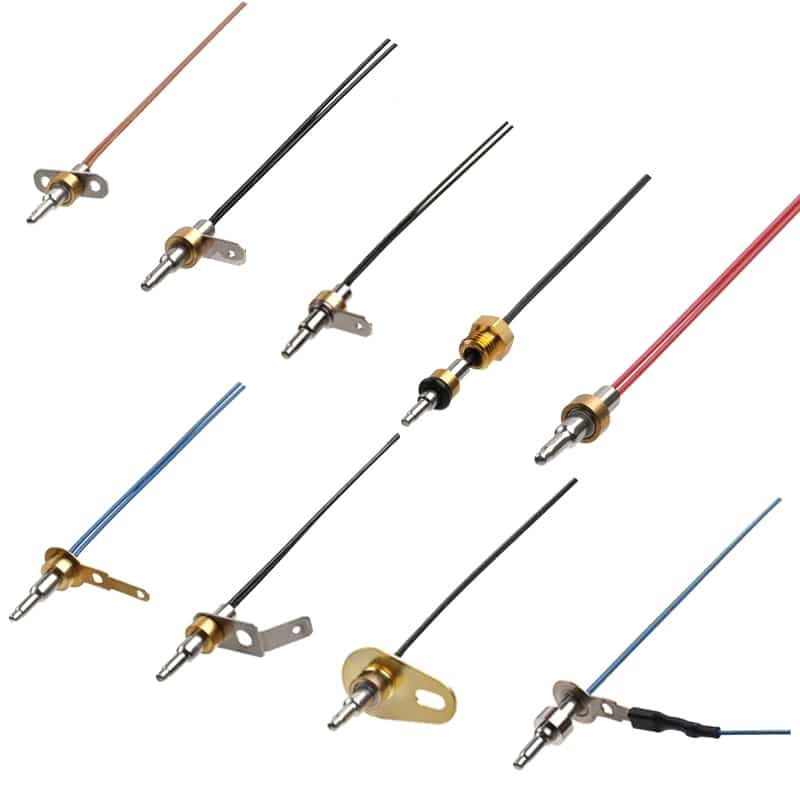
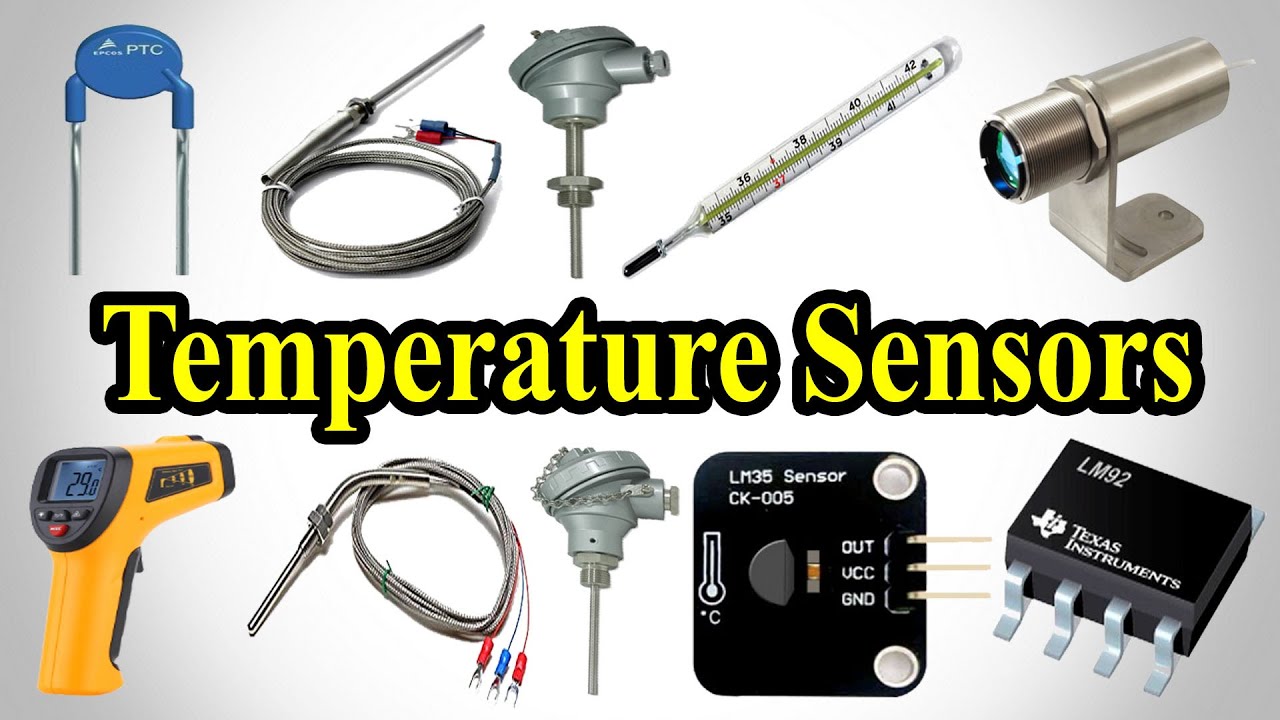
Temperature Transmitter Types: RTD, Thermocouple & More

A temperature transmitter conditions a sensor signal and sends a usable measurement to a controller, PLC, recorder, or monitoring system. It is a signal-conversion component, not the sensing element itself. The right temperature transmitter type depends on the sensor input, installation, output, measurement range, and receiving equipment. Start with the sensor input RTD input transmitters accept a configured resistance temperature detector such as Pt100 or Pt1000. Check the nominal resistance, wiring method, sensor curve/standard, lead compensation, and permitted input range. A 2-, 3-, or 4-wire sensor connection is supported only when the specific transmitter provides that configuration. Thermocouple input transmitters

PT100 Temperature Sensor and Transmitter: OEM Guide

Pt100 describes a platinum resistance temperature detector (RTD) with a nominal resistance of 100 Ω at 0 °C under the applicable RTD convention. A Pt100 is the sensing element; a temperature transmitter is separate electronics that measures the RTD and converts its signal for a controller or monitoring system. Some products combine a probe and transmitter in one assembly, so confirm the actual scope of supply. How a Pt100 sensor works with a transmitter The measuring instrument supplies or controls the RTD measurement circuit, reads the element resistance, and applies the configured resistance-temperature relationship. A transmitter then conditions and maps

4–20 mA Temperature Transmitter: Wiring & Scaling

A 4–20 mA temperature transmitter converts a supported temperature sensor input into a current signal for a compatible controller, PLC, recorder, or indicator. In a typical configured range, 4 mA and 20 mA correspond to the selected lower and upper measurement limits. The transmitter, sensor, loop supply, wiring, and receiving input must be configured as one measurement system. Confirm the input sensor and range Start by identifying whether the transmitter accepts an RTD, thermocouple, or another specified input. Confirm the exact sensor type, element curve, thermocouple type, wiring method, input limits, and required compensation. A 4–20 mA output does not

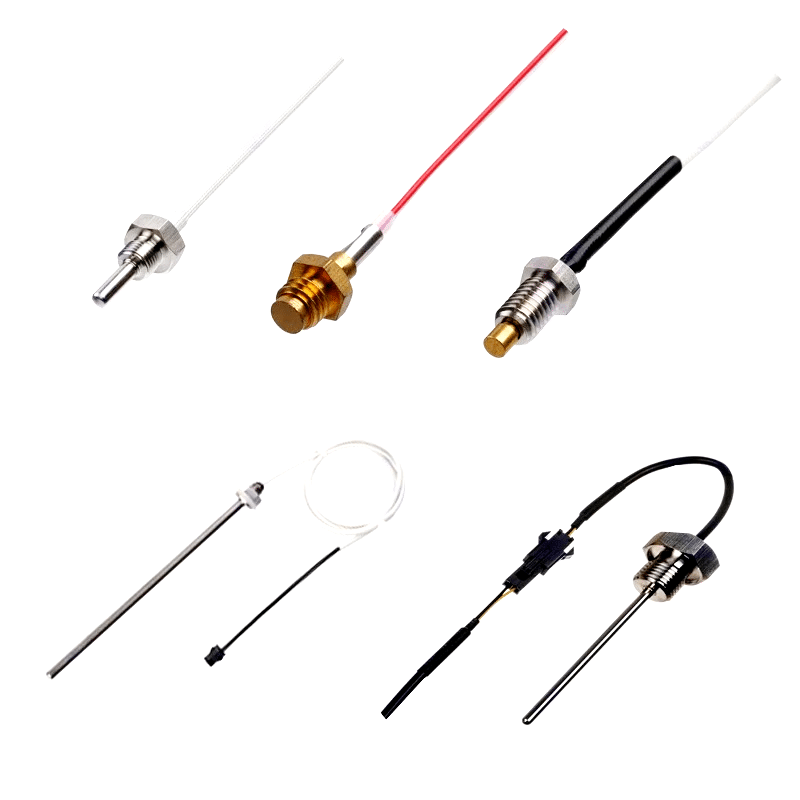
2023 Best NTC Temperature Sensor - Starlightsensors

temperature thermocouple(temperature thermocouple head)

Temperature Thermocouple: A Crucial Tool for Accurate Temperature Measurement Abstract: In this article, we will delve into the world of temperature thermocouples, discussing their significance in accurate temperature measurement. From their basic principles to their applications in various industries, we will explore how temperature thermocouples play a vital role in ensuring precise temperature readings. Whether you are a scientist, engineer, or simply curious about the science behind temperature measurement, this article will provide valuable insights. So, let’s dive in! Table of Contents: 1. Introduction 2. What is a Temperature Thermocouple? 3. How Does a Temperature Thermocouple Work? 4. Types of

Temperature Thermistor Selection: NTC, PTC & OEM Specs

A temperature thermistor is a temperature-dependent resistor. It does not produce a temperature reading by itself: the connected electronics measure resistance and convert it using the correct resistance–temperature data for the selected part. For OEM design, first decide whether the requirement is temperature measurement, temperature compensation, or a switching/protection function, then select the appropriate component and interface. NTC and PTC thermistors serve different roles An NTC thermistor’s resistance generally decreases as temperature rises and is often used as a temperature-sensing element. A PTC device’s resistance generally increases over its specified transition region and may be used for a different sensing

temperature sensor with display

Temperature Sensor with Display: The Best Tool for Accurate Temperature Monitoring Article Abstract Introduction What is a Temperature Sensor with Display? Why Use a Temperature Sensor with Display? How to Choose the Right Temperature Sensor with Display? Tips for Using a Temperature Sensor with Display Conclusion Temperature Sensor with Display: The Best Tool for Accurate Temperature Monitoring Introduction Temperature monitoring is a critical task in many fields, including food service, healthcare, and manufacturing. Accurate temperature measurements can help prevent spoilage, ensure product quality, and maintain equipment performance. To achieve accurate temperature measurements, it is essential to use the right tool

temperature sensor price

Temperature Sensor Price: How to Choose the Best Option for Your Needs Abstract: In this article, we will explore the world of temperature sensors and provide you with valuable insights on how to choose the best option that suits your specific needs. We’ll dive into the factors that contribute to temperature sensor pricing, discuss the different types of sensors available, and offer tips on finding the right sensor at an affordable price. Whether you’re a professional in the industry or a hobbyist looking to monitor environmental conditions, this guide will help you navigate through the market and make an informed

IoT Temperature Sensor Design: OEM Integration Guide

An IoT temperature-sensing system combines a sensing element with electronics and software that acquire, process, transmit, and act on temperature data. The sensor alone does not provide connectivity, cloud monitoring, or automatic control. For an OEM product, define the measurement point and required data path first, then match the sensor and interface to the device architecture. Map the temperature data path A typical system includes: (1) a probe or sensing element such as an NTC thermistor, RTD, or thermocouple; (2) an analog front end or measurement IC; (3) a controller that converts and validates the signal; (4) a wired or

ESP32 Temperature Sensor: NTC Input & ADC Guide

An ESP32 temperature-sensing design needs both a suitable sensor and a compatible measurement circuit. A thermistor does not send a digital temperature value directly to the ESP32: the analog input measures a voltage derived from the sensor circuit, and firmware converts that reading using the correct sensor curve and calibration. Board, chip variant, ADC configuration, and installation all affect the final system. Select the sensor and define the range For an NTC thermistor, specify R25, the B-value with its reference temperatures or the full resistance–temperature table, tolerances, package, and operating range. Choose the curve for the temperatures the product must

Shopping Cart
Scroll to Top
Scroll to Top