
Choosing the Right Temperature Sensors for Commercial Refrigeration: Beyond Accuracy and Price
An OEM guide to commercial refrigeration temperature sensors, covering measurement location, moisture protection, response time, controller compatibility, and mechanical fit.
How to Choose the Right NTC Thermistor for Commercial Freezers to Avoid Moisture Ingress?
A guide to choosing an NTC thermistor for commercial freezers, covering moisture ingress, encapsulation options, and supplier testing considerations.
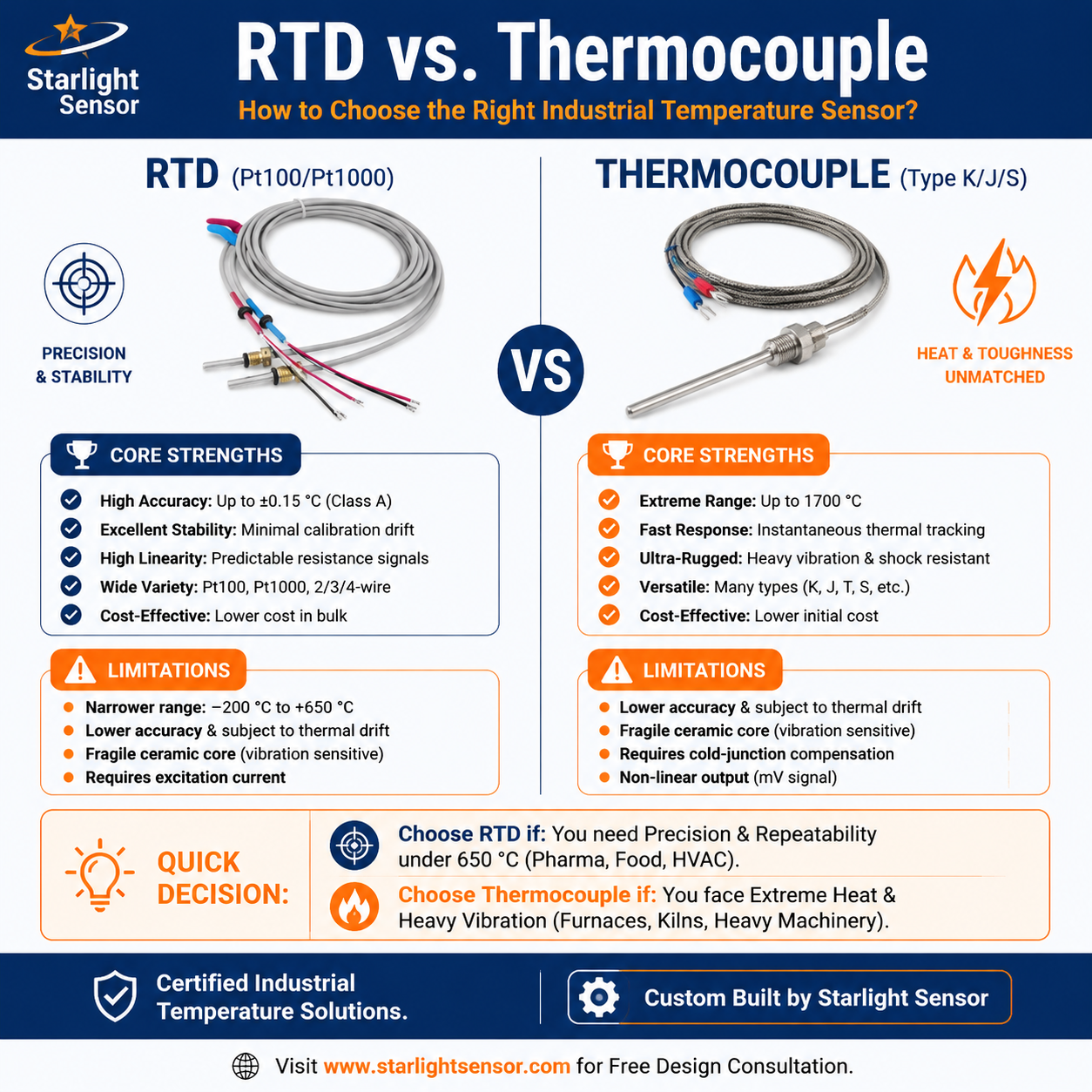
RTD vs. Thermocouple: How to Choose the Right Temperature Sensor for Your Industrial Application?
Compare RTD and thermocouple sensors by operating principle, temperature range, accuracy, response time, and stability for industrial sensor selection.
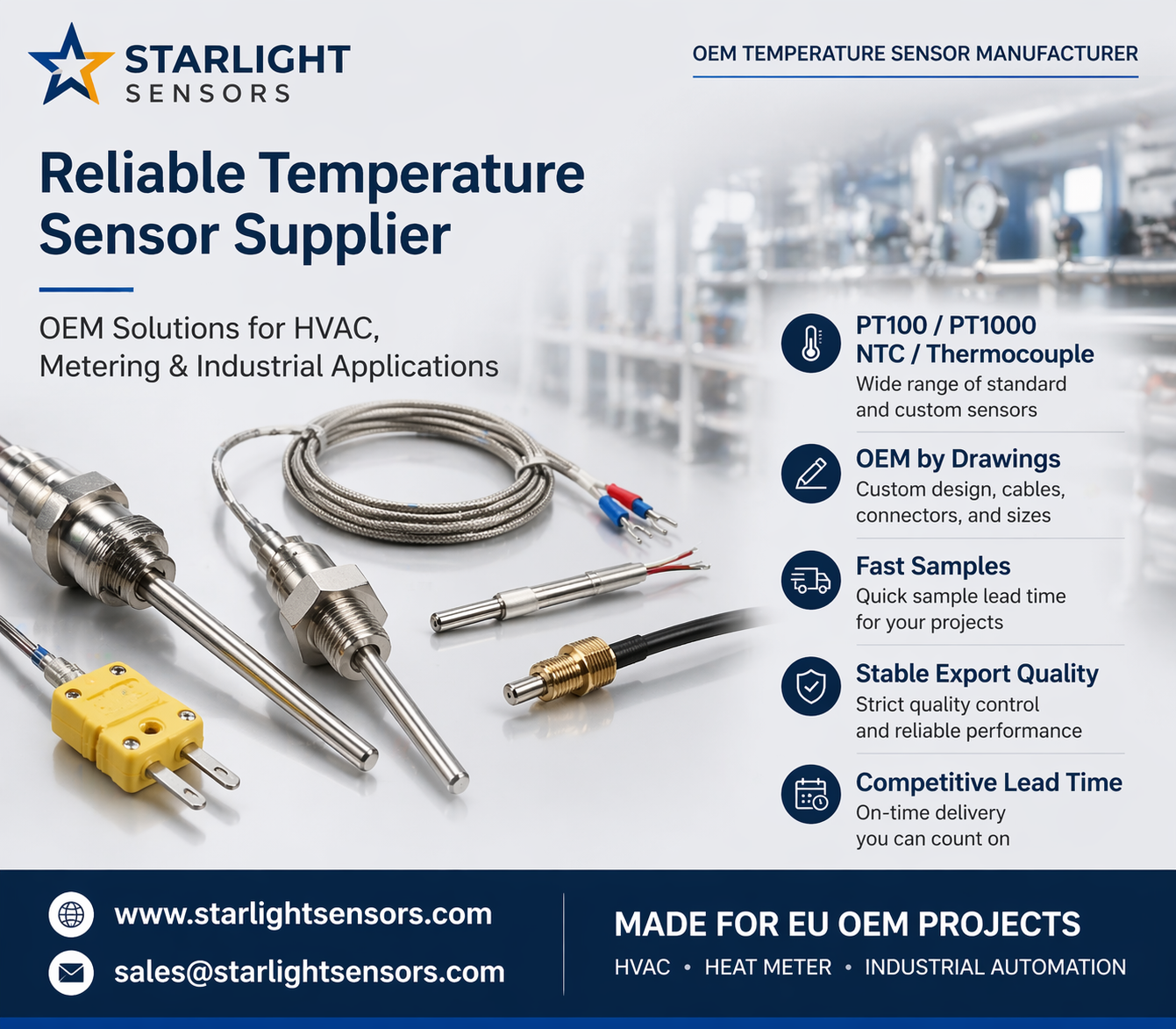
How PT100 Sensors Improve Heat Meter Accuracy?
An OEM guide to PT100 sensors for heat meters, covering tolerance, matched sensor pairs, production consistency, and supplier evaluation.
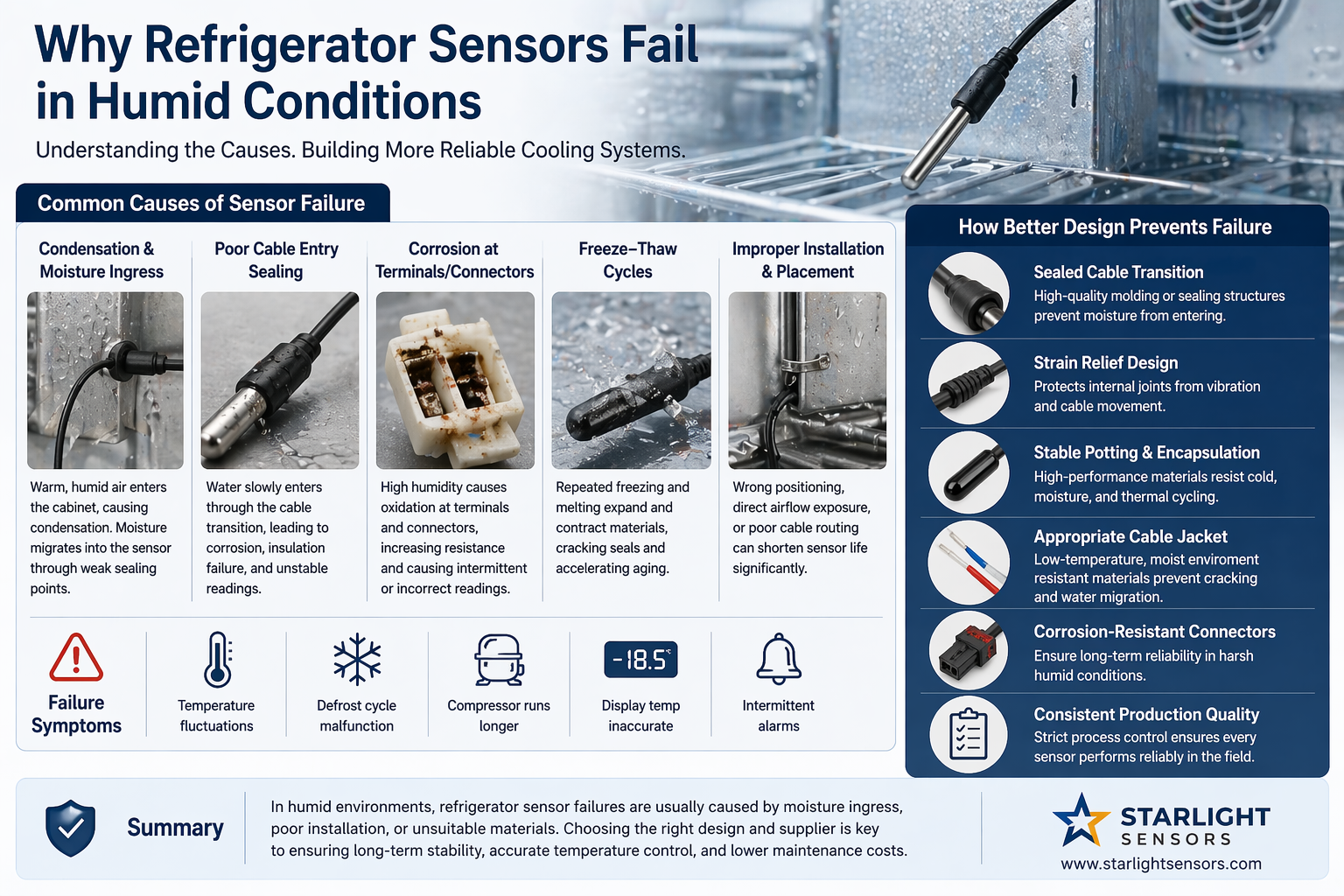
Why Refrigerator Sensors Fail in Humid Conditions?
Explore refrigerator sensor failure in humid conditions, including moisture ingress, cable sealing, condensation, installation, and supplier evaluation.
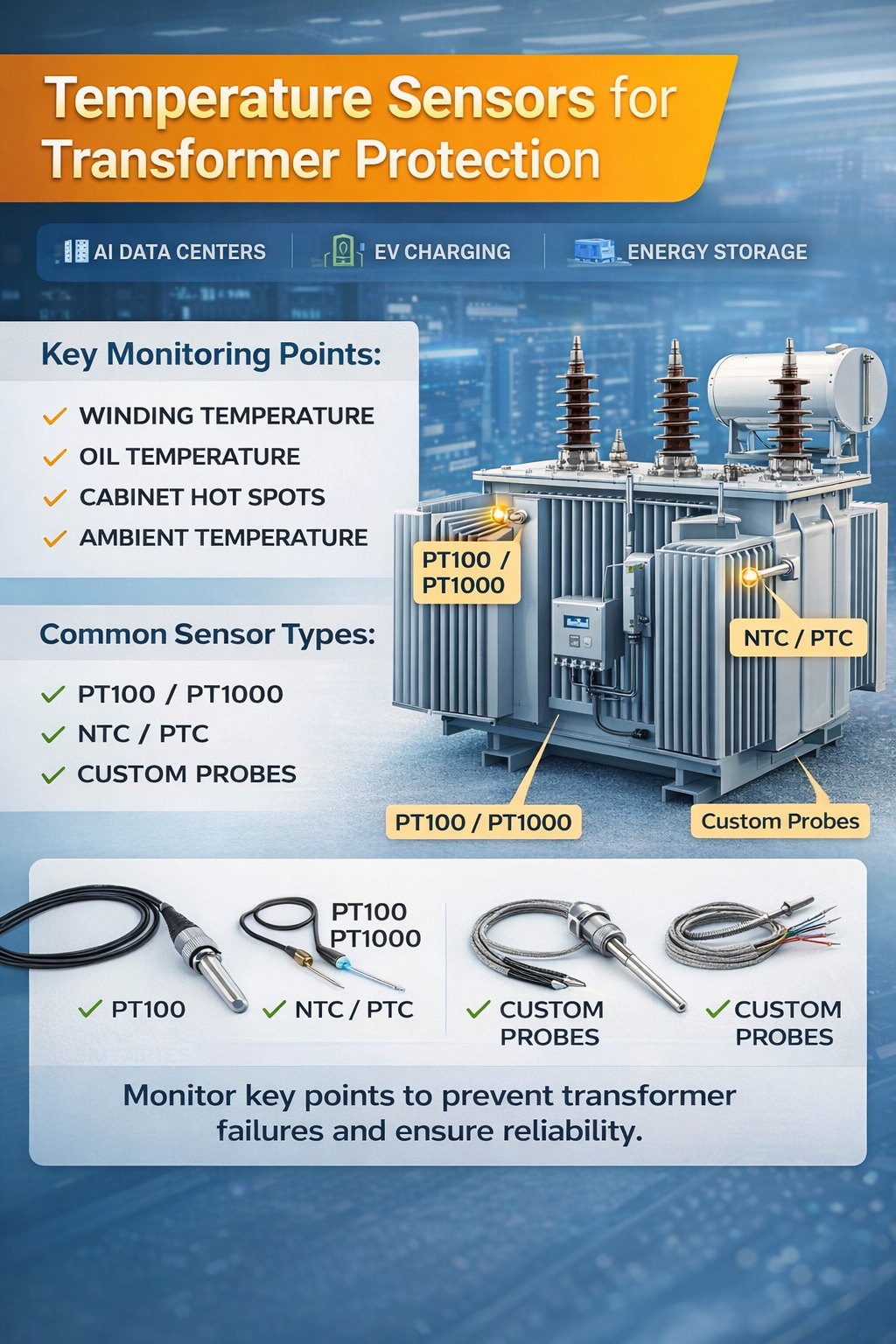
How Temperature Monitoring Prevents Transformer Failure?
A guide to transformer temperature monitoring, covering measurement locations, sensor types, cooling control, and OEM sensor selection considerations.
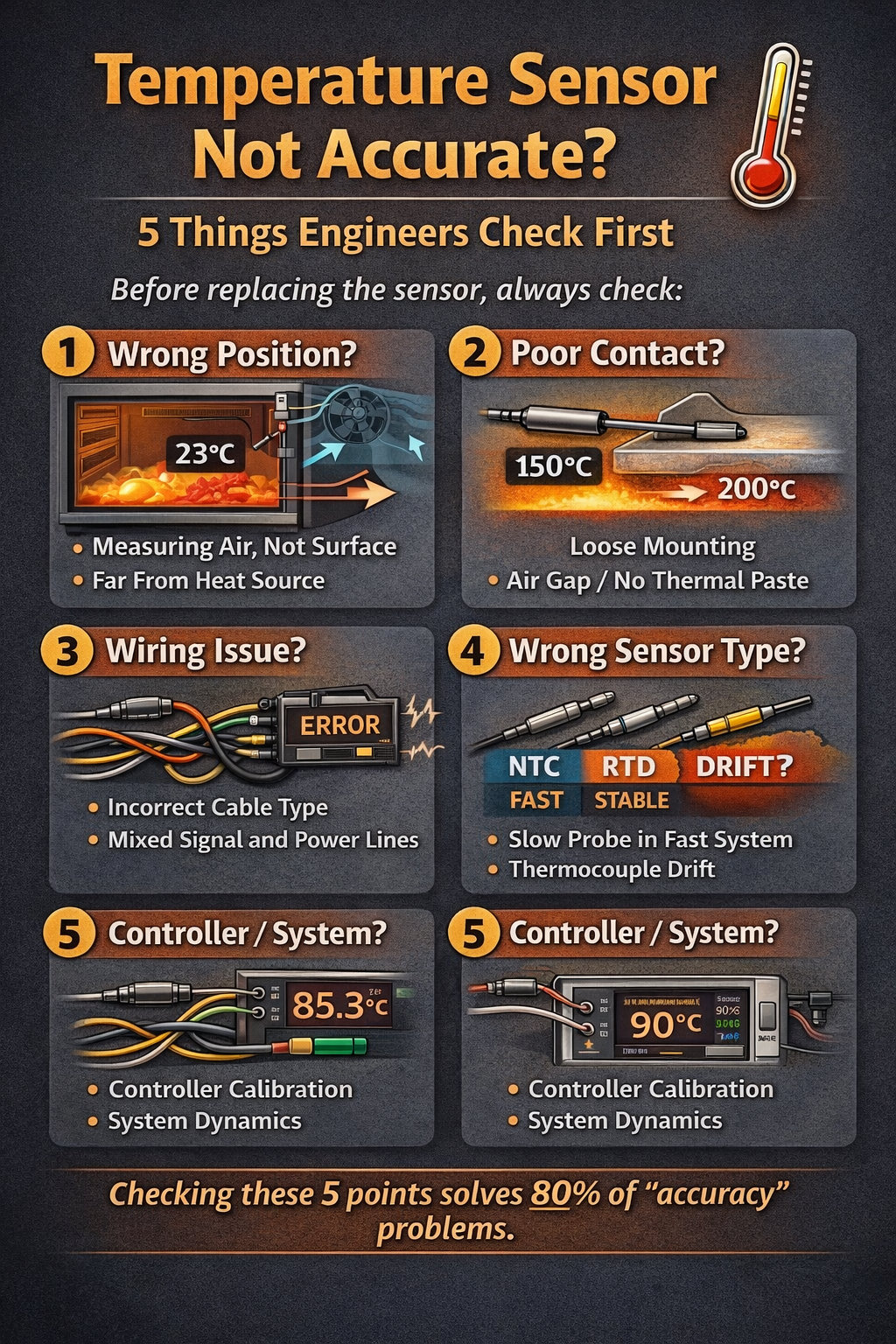
Temperature Sensor Not Accurate? 5 Things Engineers Check First
Five checks for inaccurate temperature readings: measurement location, thermal contact, wiring, sensor selection, and overall system performance.
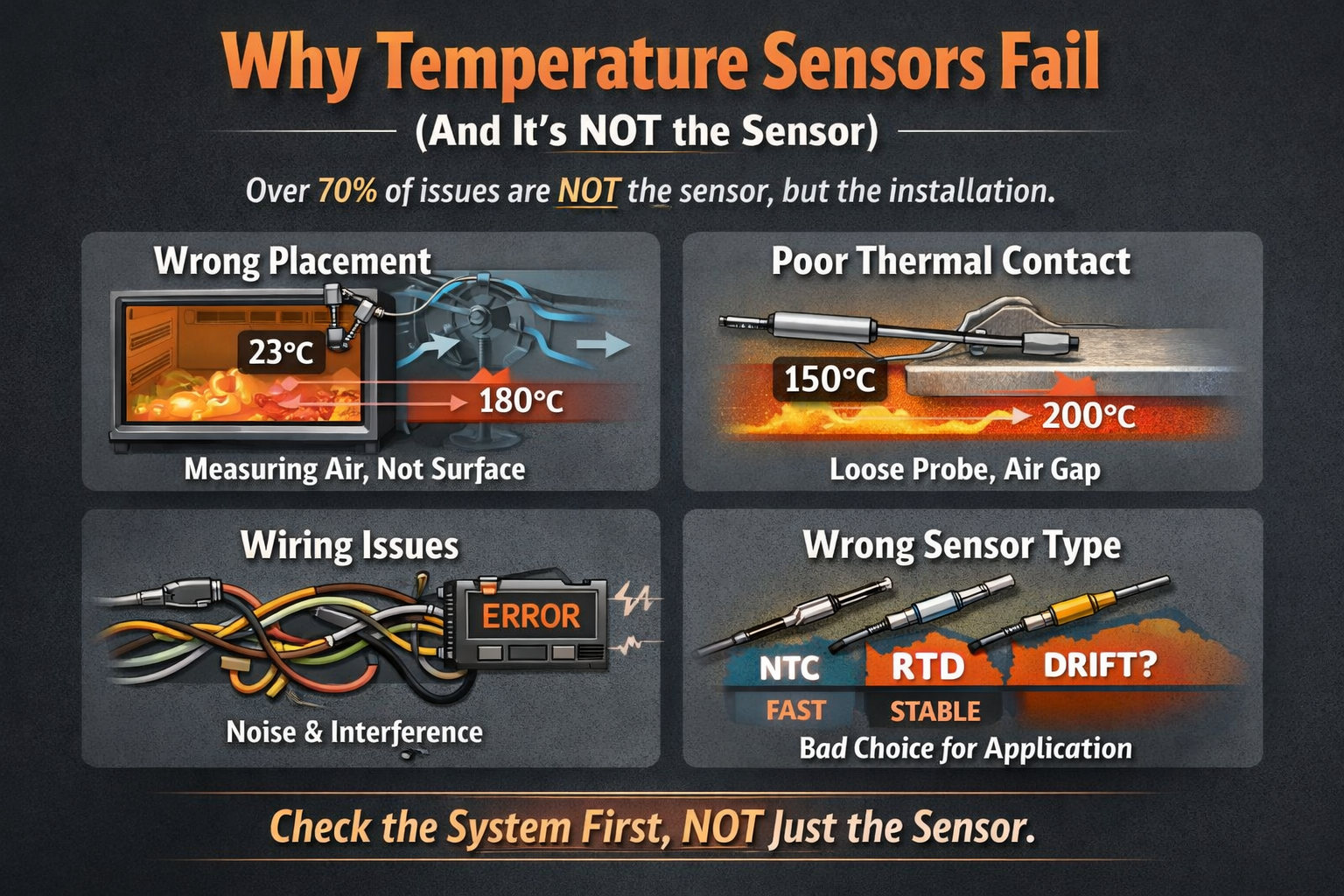
Why Temperature Sensors Fail in Real Applications (And It’s Not Always the Sensor)
Review temperature sensor failure in real applications, including measurement location, thermal contact, wiring, sensor selection, and system accuracy.
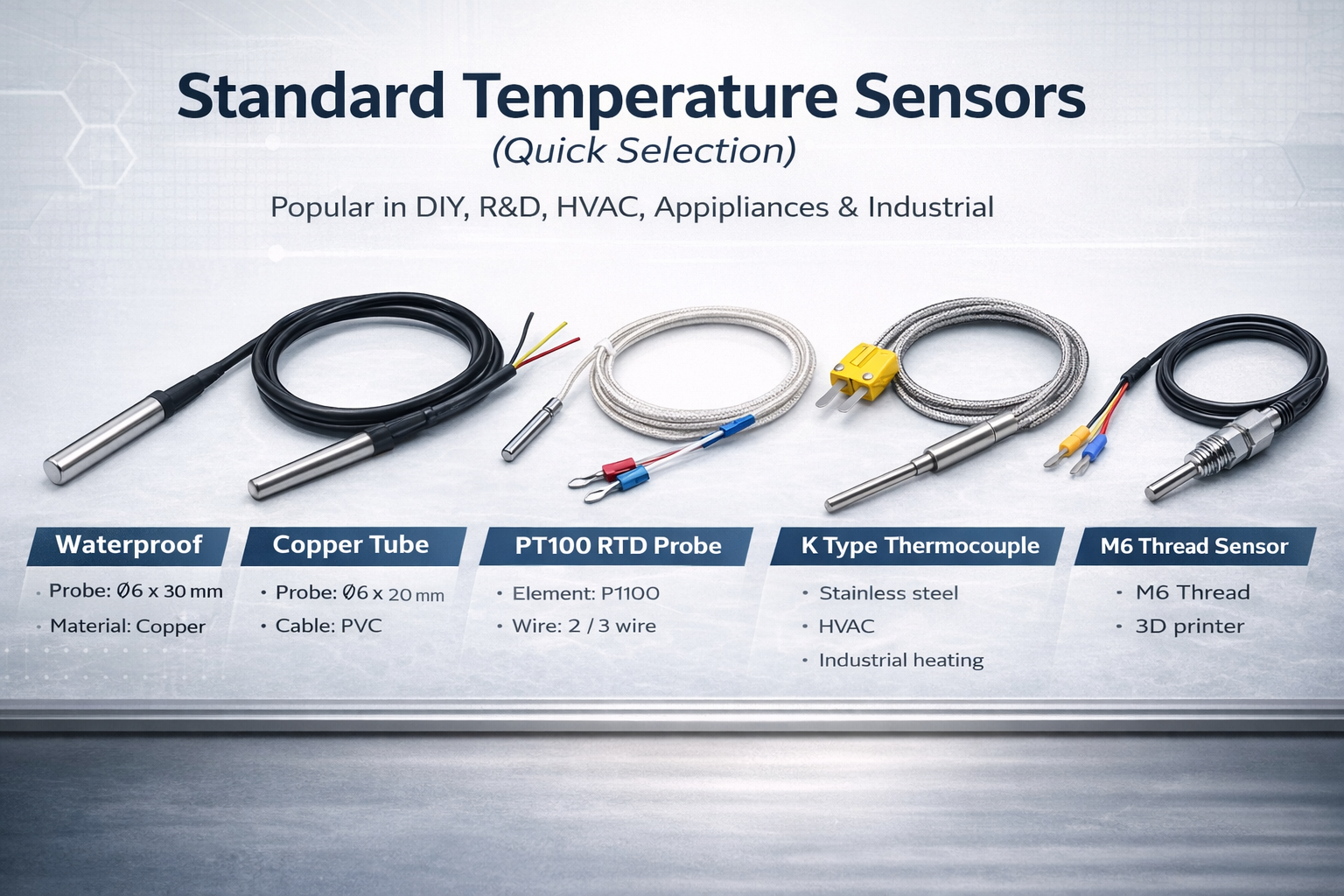
Temperature Sensor for Oven: Principles, Applications, and Reliable Measurement Methods
Explore oven temperature sensor types, installation considerations, and measurement checks for industrial, laboratory, and food processing equipment.
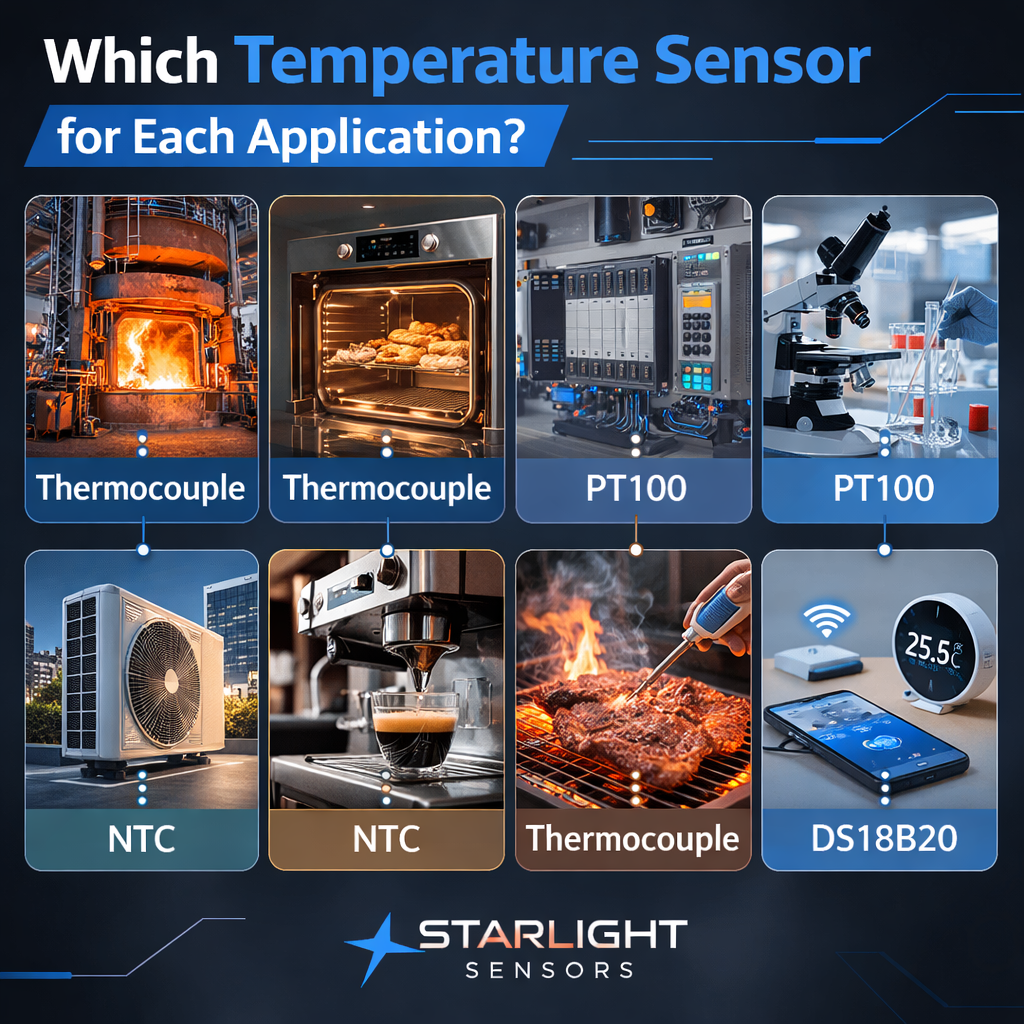
Thermocouple vs RTD: Which Temperature Sensor Is Better?
An introduction to thermocouple and RTD sensors, comparing operating principles, measurement range, accuracy, response time, and common applications.
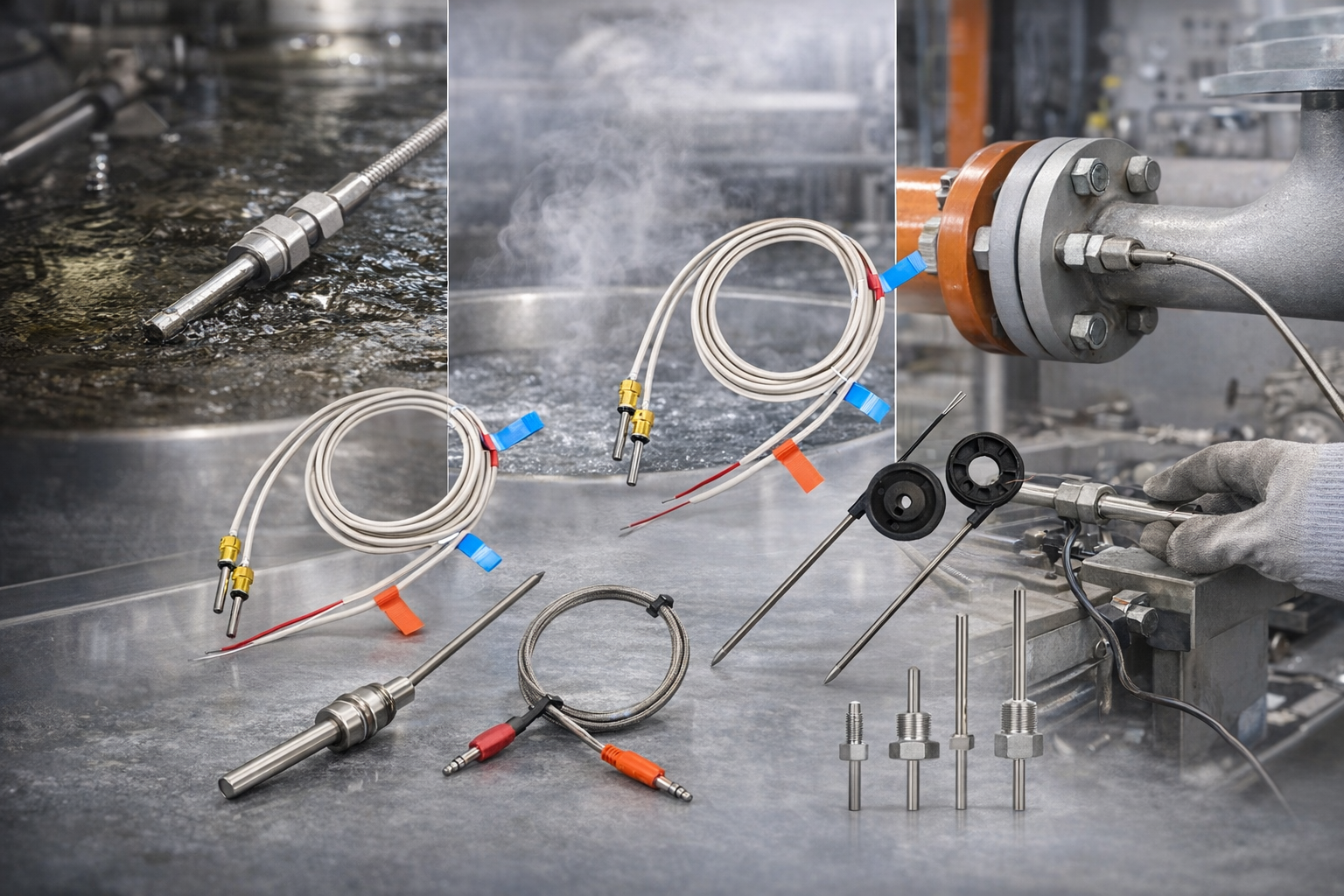
Why Temperature Sensors Drift Over Time | RTD, Thermocouple & NTC Guide
Learn about temperature sensor drift in RTDs, thermocouples, and NTC thermistors, including aging, heat exposure, vibration, moisture, and stability.
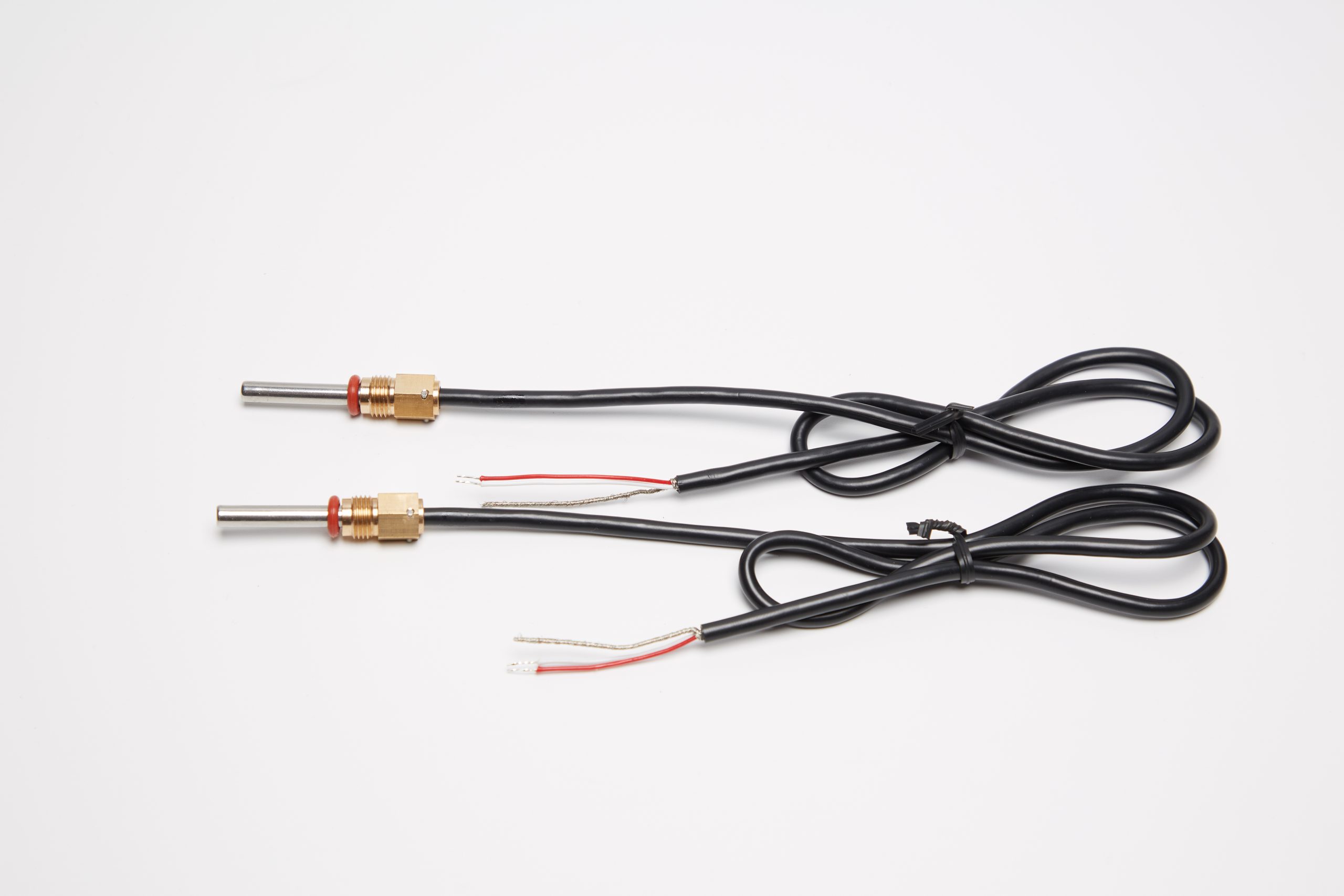
What Makes PT Sensors Manufacturer Solutions Stand Out in Heat Meter Applications
Introduction: PT sensors for heat meters offer ±0.1°C accuracy, customizable designs, automated quality control, and compliance with CJ 128-2007 and EN 1434 standards for reliable thermal measurement. In a bustling energy monitoring facility, technicians rely on precise instruments every day — especially when it comes to tracking heat consumption