
News

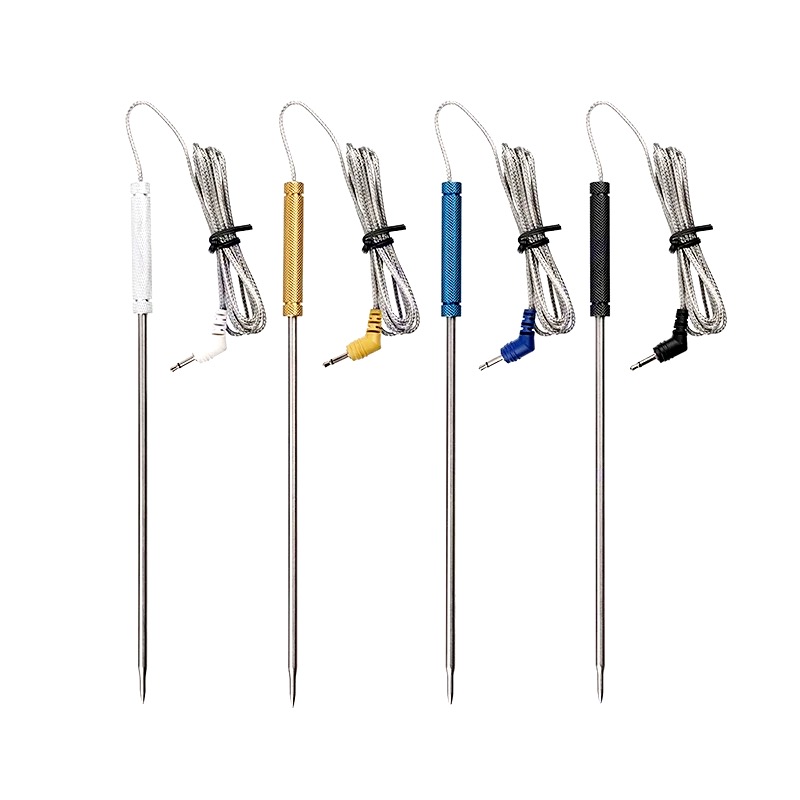
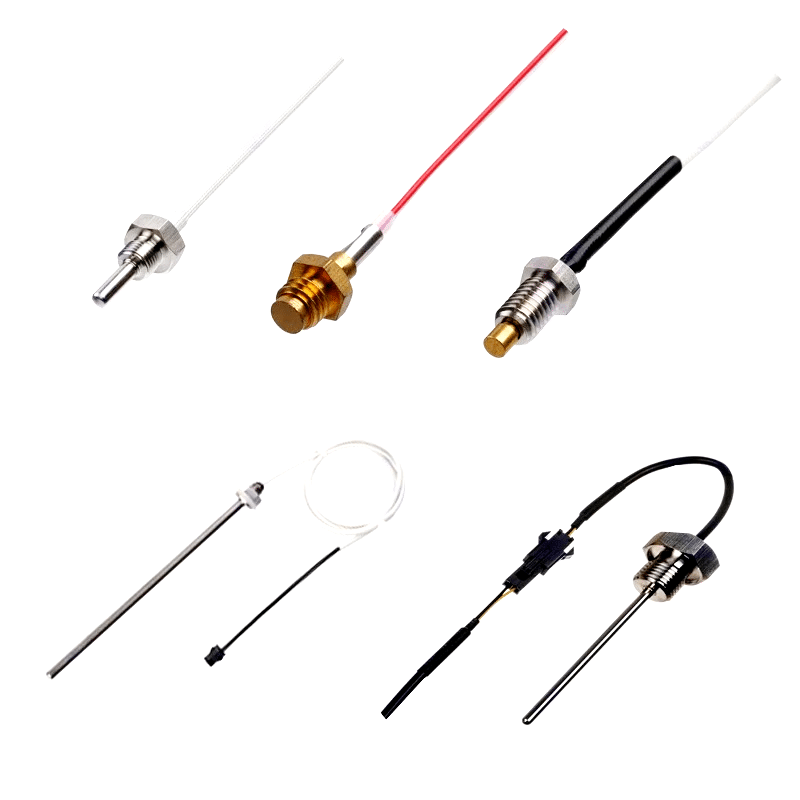
NTC temperature sensor probe assemblies with threaded and spring-loaded housings

NTC Thermistor Beta Value: Inputs & Datasheet Checks

NTC Thermistor Beta Value: Inputs and Datasheet Checks This page is a practical guide to selecting and checking an NTC thermistor beta value. It does not contain an interactive calculator. For an OEM design, the beta value must be tied to the sensor’s stated temperature interval and resistance–temperature (R/T) data; a single number cannot guarantee accuracy across every temperature. What the beta value describes An NTC thermistor’s resistance generally falls as temperature rises. The beta value (B, in kelvins) is a two-point approximation of the curve over a specified interval, for example B25/50. The interval matters: values calculated over different
NTC Thermistor Beta Formula: R/T Model & Limits

NTC Thermistor Beta Formula: Resistance–Temperature Model The NTC beta equation is a two-parameter approximation that relates resistance to absolute temperature over a stated range. It is useful for understanding or estimating an NTC resistance–temperature (R/T) curve, but it is not the Steinhart–Hart equation and should not be treated as a universal accuracy guarantee. This guide explains the model, shows how to estimate temperature from resistance, and identifies when supplier R/T data is needed. Table of Contents NTC resistance behavior The beta equation and its assumptions Estimate temperature from resistance Model limits and engineering use NTC Resistance Behavior An NTC thermistor’s

How to Calculate NTC Thermistor Beta: Formula & Example

How to Calculate NTC Thermistor Beta (B-Value) NTC thermistor beta (B) is a parameter that approximates the resistance–temperature curve over a stated pair of temperatures. It is not the same as a constant linear temperature coefficient, and a calculated B value only describes the interval used. This guide explains the equation, units, a worked example, and how to use the result responsibly in an OEM design. Table of Contents When beta calculation is useful NTC resistance and temperature Beta formula and worked example Use the result in design When Beta Calculation Is Useful Use the beta equation when resistance values

NTC Thermistors for Battery Packs: BMS Selection Guide

NTC Thermistors for Battery Packs: BMS Selection and Validation An NTC thermistor can provide a temperature signal to a battery management system (BMS), but the sensor alone does not make a battery pack safe or control charging. The thermistor curve, physical contact, wiring, measurement input, firmware interpretation, and protection strategy must work together. This guide helps OEM teams define and validate a battery-pack NTC assembly without assuming a universal resistance curve or placement rule. Table of Contents How NTC sensing fits into a BMS Choose sensor locations and construction Match the R/T curve to the electronics Validate the assembled pack

NTC Thermistor B25100: Verify the R/T Specification

NTC Thermistor B25100: How to Confirm the Specification The label “B25100” is not enough to identify an NTC thermistor for an OEM design. It may be a shorthand for a beta-value interval such as B25/100, or it may be used as a model designation. Those meanings are not interchangeable. Confirm the exact part number and supplier documentation before relying on resistance, temperature limits, accuracy, response time, or application claims. Table of Contents What the B25100 label can mean How the NTC resistance curve works Verify B value and complete specifications Check application fit and validate samples Prepare an OEM quotation

NTC Thermistor B2585: How to Verify Specs

NTC Thermistor B2585: How to Verify the Specification “B2585” is not enough information to approve an NTC thermistor for an OEM design. It may be presented as a model code or shorthand for a beta-value notation; without the manufacturer’s datasheet and full ordering code, resistance, curve, package, and operating limits remain unconfirmed. Use this checklist to verify the part before comparing samples or releasing a design. Article Summary What “B2585” does and does not tell you Verify the electrical specification Check application fit and assembly Evaluate samples and supplier data Prepare an RFQ What “B2585” Does and Does Not Tell

2023 Best NTC Temperature Sensor - Starlightsensors

Comprehensive Guide to NTC Thermistors in India

NTC Thermistor Available in India – A Comprehensive Guide NTC Thermistor Available in India Table of Contents Introduction What is an NTC Thermistor? Types of NTC Thermistors Applications of NTC Thermistors Buying NTC Thermistors in India Conclusion Introduction Welcome to our comprehensive guide on NTC thermistors available in India. If you are looking for high-quality NTC thermistors, this article will provide you with all the information you need. Whether you are an electronics enthusiast or a professional, understanding NTC thermistors and their availability in India is essential. What is an NTC Thermistor? An NTC (Negative Temperature Coefficient) thermistor is a

NTC Thermistor Assemblies: OEM Probe Design Guide

NTC Thermistor Assembly Design | OEM Guide An NTC thermistor assembly combines a sensing element with the mechanical and electrical details needed for installation. For an OEM project, define the controller input and required NTC curve first, then specify the probe, cable, termination, sealing, and validation conditions. A “10k NTC” label alone does not identify a complete interchangeable assembly. Define the electrical interface Record the nominal resistance reference temperature, resistance–temperature curve or beta value as applicable, tolerance, and the controller’s measurement circuit. Confirm how the controller interprets the sensor and what resistance range matters across the operating temperatures. Use the

NTC Thermistor Arduino Guide: Temperature Sensing & Control

NTC Thermistor Arduino – An Ultimate Guide NTC Thermistor Arduino – An Ultimate Guide Overview What is NTC Thermistor How Does it Work Applications Using NTC Thermistor with Arduino Overview Welcome to the ultimate guide on using NTC Thermistors with Arduino! This guide will provide you with all the essential information you need to know about NTC Thermistors and how to use them effectively with Arduino microcontrollers. Whether you are a beginner or an experienced Arduino enthusiast, this guide will help you understand the working principles behind NTC Thermistors and enable you to integrate them seamlessly into your Arduino projects.

NTC Thermistor Arduino Library: Simplifying Temperature Sensing

NTC Thermistor Arduino Library NTC Thermistor Arduino Library Article Summary Introduction Library Features Usage Examples Introduction The NTC Thermistor Arduino Library is a powerful tool that allows you to easily interface with NTC (Negative Temperature Coefficient) thermistors using an Arduino microcontroller. This library provides a range of functions and features to simplify the process of reading and interpreting temperature data from NTC thermistors. Library Features The NTC Thermistor Arduino Library boasts several key features, making it an ideal choice for your temperature sensing projects: Support for various NTC thermistor models and configurations Accurate temperature calculations based on Steinhart-Hart equation Easy

Shopping Cart
Scroll to Top
Scroll to Top