Fluke Thermocouple Types – An In-depth Analysis
Summary
This article provides an in-depth analysis of Fluke thermocouple types. It explores the various types of thermocouples offered by Fluke and their applications in different industries. Whether you’re a professional in the field or simply interested in thermocouples, this article will give you a comprehensive understanding of Fluke’s offerings.
Table of Contents
Types of Fluke Thermocouples
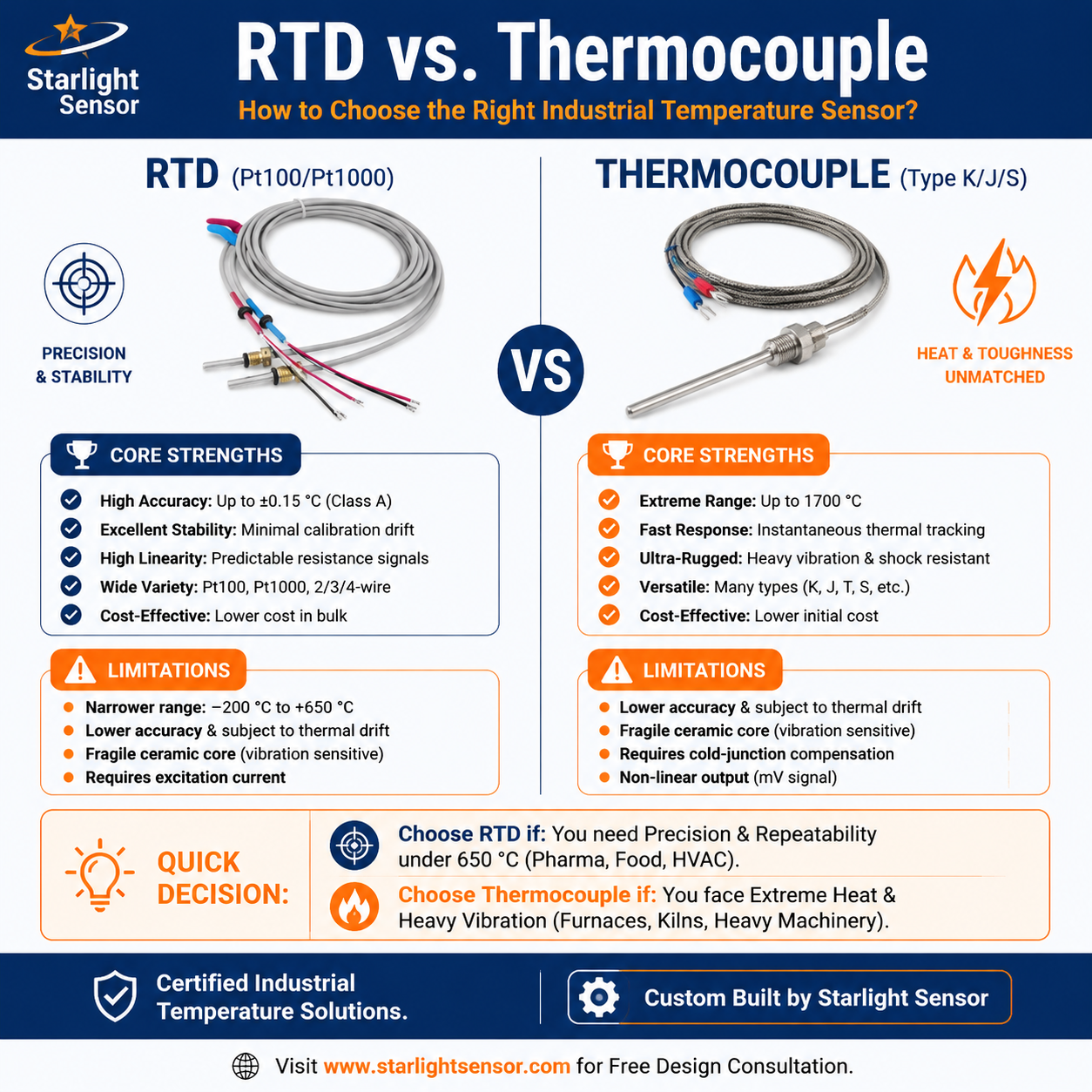
Fluke offers a wide range of thermocouples to cater to different measurement needs. Some common types include:
- Type K: This is the most widely used type of thermocouple and is suitable for a range of applications, including industrial and scientific use.
- Type J: Popular for low-temperature applications, Type J thermocouples are commonly used in refrigeration and cryogenic environments.
- Type T: Known for its excellent stability, Type T thermocouples are often used in laboratory and industrial applications.
- Type E: With its high accuracy and resistance to oxidation, Type E thermocouples are ideal for measuring temperatures in extreme conditions.
Applications
Fluke thermocouples find applications in various industries, including:
- Energy sector: Used for monitoring and controlling temperature in power plants and renewable energy systems.
- Manufacturing industry: Ensuring consistent temperature during production processes to maintain product quality.
- Food industry: Monitoring temperature in food storage and processing to ensure safety and compliance with regulations.
- Research and development: Precise temperature measurements for experiments and scientific studies.
Advantages of Fluke Thermocouples
Choosing Fluke thermocouples offers several advantages:
- Accuracy: Fluke thermocouples provide highly accurate temperature measurements, ensuring reliable data.
- Durability: Designed to withstand harsh environments, Fluke thermocouples are built to last.
- Ease of use: With user-friendly designs and interfaces, Fluke thermocouples are easy to operate.
- Wide temperature range: Fluke thermocouples can measure temperatures from -200°C to over 2000°C, covering a broad range of applications.
Maintenance Tips
To ensure optimal performance and longevity of your Fluke thermocouples, follow these maintenance tips:
- Regular calibration: Calibrate the thermocouples periodically to maintain accuracy.
- Cleanliness: Keep the thermocouples clean to prevent any contamination or interference with measurements.
- Proper storage: Store thermocouples in a dry and controlled environment to prevent damage.
- Handling with care: Avoid bending or twisting the thermocouple wires, as it can affect their performance.