
News

thermocouple display

Thermocouple Display: Choosing a Compatible Temperature Readout A thermocouple display is a readout instrument or controller that accepts a thermocouple signal and presents a temperature value. The display is not the sensing probe. A complete measurement setup depends on a compatible probe, correct input configuration, reference-junction handling, wiring, and instrument settings. This guide helps OEM buyers specify the sensor and display interface without assuming that every meter supports every thermocouple. What to check when selecting a thermocouple display Thermocouple input type: Confirm that the instrument accepts the type used by the probe and that the configured type matches the installed
thermocouple device

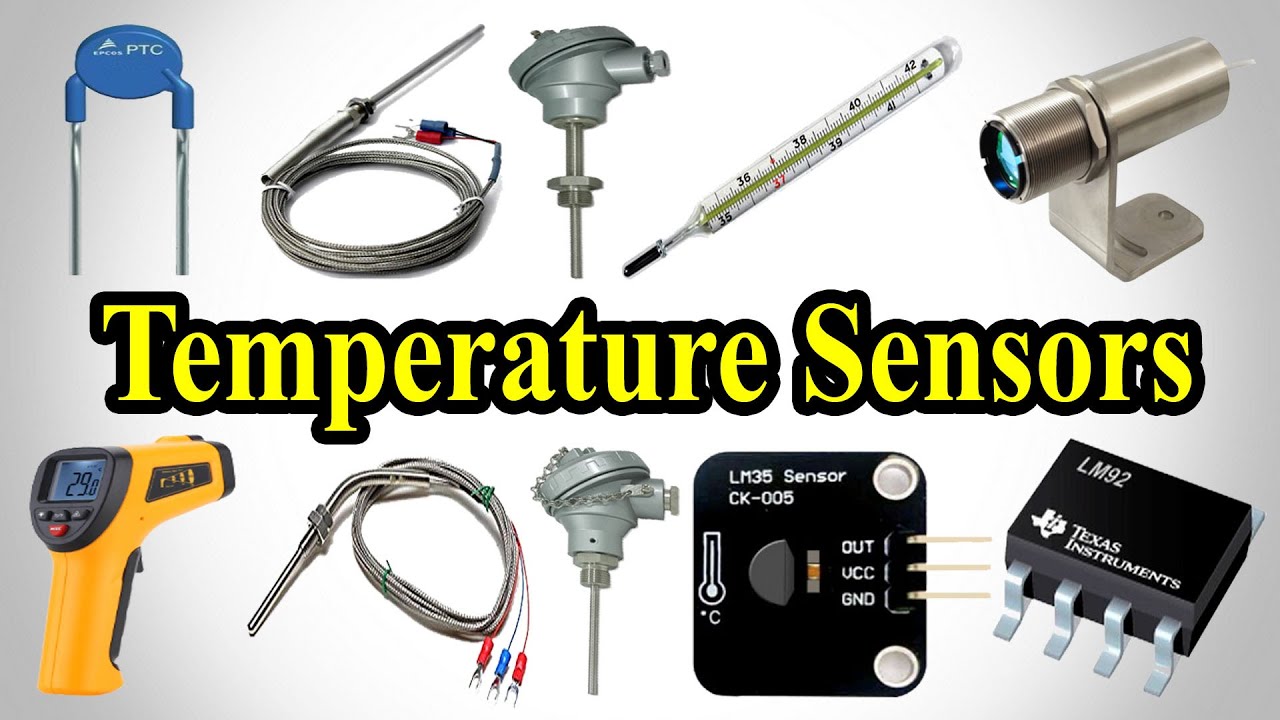
Thermocouple Devices: Sensors, Readouts, and Interfaces “Thermocouple device” can describe several parts of a temperature measurement system. The thermocouple probe is the sensing element; a display or controller reads its signal; an interface IC or data-acquisition module processes inputs; and a multiplexer may route multiple channels in a compatible system. A thermocouple vacuum gauge is a separate pressure-measurement instrument that uses a thermocouple element within its gauge tube. These components serve different purposes and are not interchangeable. Identify the device you need OEM temperature probe: Choose the thermocouple type, sensing point, probe dimensions, sheath, junction construction, lead, and termination to

thermocouple detector

Thermocouple Detector: How Open-Circuit Fault Detection Works “Thermocouple detector” may mean a device that identifies a thermocouple input fault rather than a separate temperature probe. A thermocouple is the sensor; open-circuit or short-circuit detection, when available, is a feature of the receiving instrument or interface electronics. Support varies by model, so check the device documentation before relying on a fault indication. What a thermocouple fault detector can indicate Some thermocouple interface devices include circuitry that can flag an open sensor connection or selected short conditions. For example, Analog Devices documents open-thermocouple detection on the MAX31855. This is a model-specific feature,

thermocouple cost

Thermocouple Cost: Design and Lifecycle Factors for OEM Buyers Thermocouple cost depends on the finished assembly and the application requirements. A purchase price is only one part of the project estimate: probe fit, installation, wiring, inspection, replacement access, and required documentation also affect the total effort. This guide helps OEM teams define those factors before requesting a quote; it does not publish a universal price because configurations and quantities vary. What affects the cost of a thermocouple assembly? Sensor and material selection: Thermocouple type, sheath and wetted materials, insulation, and junction construction should be selected for the process conditions and

2023 Best NTC Temperature Sensor - Starlightsensors

thermocouple controller

Thermocouple Controller Selection for OEM Temperature Systems A thermocouple controller is an instrument that accepts a temperature sensor input and, when configured for control, uses that measurement in a control function. The thermocouple probe measures at the sensing point; the controller’s outputs connect to compatible heating, cooling, alarm, or supervisory equipment as defined by the selected model and system design. A probe alone does not perform setpoint control. Define the control requirement first Sensor input: Specify the thermocouple type, input wiring, polarity, extension lead, and reference-junction handling. Confirm the exact controller supports the proposed sensor and configuration. Control action: Describe

thermochron ibutton

Thermochron iButton vs. OEM Temperature Probe: Choosing a Measurement Approach The Thermochron iButton is a self-contained temperature logger, while an OEM thermocouple probe is a sensing component intended to connect to a compatible instrument or control system. They serve different roles. The right choice depends on whether a project needs stored temperature history from a standalone logger or a probe integrated into equipment for live measurement. What the Thermochron iButton does Analog Devices describes the DS1921G Thermochron iButton as a device that measures temperature and records results in protected memory at a user-defined interval. The saved record is later retrieved

thermo switch sensor(thermo sensor)

Thermo Switch Sensor: Switch Output or Continuous Temperature Reading? “Thermo switch sensor” can describe a temperature-sensitive device that changes an electrical contact at a defined condition, or a package combining a switch and a temperature-sensing element. This is different from a thermistor, RTD, or thermocouple probe intended to provide a continuous measurement signal to compatible electronics. Confirm whether the application needs a discrete on/off response, a measured temperature value, or both. Specify the switching behavior Operating condition: Define the temperature at which the circuit should open or close and whether it should actuate on rising temperature, falling temperature, or both.

thermistor sensor arduino

Thermistor Sensor Arduino: NTC Selection and ADC Integration An NTC thermistor can be read by an Arduino-compatible controller through a suitable measurement circuit, commonly a resistor divider feeding an analog input. The board reads a voltage; firmware then uses the circuit values and the thermistor’s resistance-temperature curve to estimate temperature. The sensor, divider, ADC reference, wiring, and conversion method all affect the result. Select an NTC thermistor for the application Resistance at reference temperature: Specify the target R25 value and tolerance to match the divider and expected measurement range. Resistance-temperature curve: Provide the B value or the manufacturer’s full curve/Steinhart-Hart

thermistor and thermocouple

Thermistor vs. Thermocouple: How to Select an OEM Temperature Sensor NTC thermistors and thermocouples both measure temperature, but they use different electrical principles and need different readout circuits. The best choice depends on the operating conditions, required temperature curve, sensor package, wiring, and electronics—not on a single generic claim about accuracy, range, speed, or cost. How the sensor signals differ NTC thermistor An NTC thermistor changes resistance as temperature changes. The receiving circuit measures that resistance, often through a divider, and converts it using the specified R25 value and resistance-temperature curve. Selection should include R25 and tolerance, B-value or full

thermal transducer

Thermal Transducer in Temperature Measurement: Sensor Types and OEM Selection The term “thermal transducer” is used broadly for devices that convert a thermal condition into a measurable signal. In temperature measurement, the relevant component is the sensor and its compatible readout. This is different from a heat-transfer or cooling device. The signal depends on the sensor technology: an NTC thermistor changes resistance with temperature, while a thermocouple produces a voltage related to the temperature difference between junctions. Common temperature-sensing transducers NTC thermistor: A resistance-based sensor selected by its R25 value, resistance-temperature curve, tolerance, package, and mounting conditions. The electronics must

Shopping Cart
Scroll to Top
Scroll to Top