News

NTC Thermistor Errors: How to Troubleshoot and Prevent Them

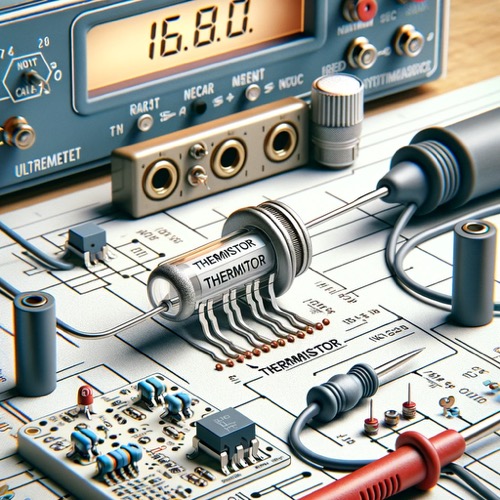
Introduction NTC (Negative Temperature Coefficient) thermistors are essential components used in various electronic devices for precise temperature measurement and control. Their resistance decreases as the temperature rises, making them ideal for many applications. However, like any electronic part, they can experience errors or malfunctions that affect performance. In this guide, we’ll explore common NTC thermistor issues, troubleshooting steps, and preventive strategies. Common NTC Thermistor Errors Understanding frequent NTC thermistor errors is key to identifying and resolving issues efficiently. Some of the most typical problems include: Open Circuit: This occurs when the NTC thermistor is physically disconnected or has a broken

Understanding Thermistors: What Do They Sense?

In the world of electronics and engineering, temperature sensors play a crucial role in monitoring various environments and systems. Among the many types of temperature sensors, the thermistor stands out for its sensitivity and versatility. But what exactly does a thermistor sense, and why is it so important across multiple industries? This blog post will delve into the functions of thermistors, their practical applications, and how they help us in our everyday lives, including innovations from StarLight Sensors, a leading manufacturer of temperature sensors and thermocouples. What Is a Thermistor? Before exploring what a thermistor senses, it’s essential to understand

Enhancing Efficiency and Safety with K-Type Industrial Oven Thermocouples

Industrial ovens play a critical role in many manufacturing processes, where precise temperature control is essential for maintaining product quality and operational efficiency. To achieve these goals, K-Type thermocouples and temperature sensors are widely utilized due to their ability to withstand extreme temperatures and provide accurate, real-time data. In this blog, we’ll explore how K-Type thermocouples and temperature sensors from StarLight Sensors help optimize industrial oven performance by enhancing efficiency, safety, and compliance with industry standards. Accurate Temperature Measurement: K-Type thermocouples are designed for high-temperature environments, making them the ideal solution for industrial oven applications. With their high sensitivity and

Understanding NTC Thermistors: A Guide to their Working Principle and Buying Tips

NTC (Negative Temperature Coefficient) thermistors are temperature-sensitive resistors widely used in various applications. The material for NTC thermistors is sintered at high temperatures using high-purity metal oxides such as cobalt, manganese, nickel, iron, and copper. Advanced processing technologies, including semiconductor culling, scribing, glass encapsulation, and epoxy encapsulation, are employed to produce various types of NTC thermistors. Products from StarLight Sensors offer a complete range of high precision and good stability, with resistance values ranging from 0.5 to 2000K and B values from 2500 to 4500K. This article will delve into how NTC thermistors work and provide essential buying tips for

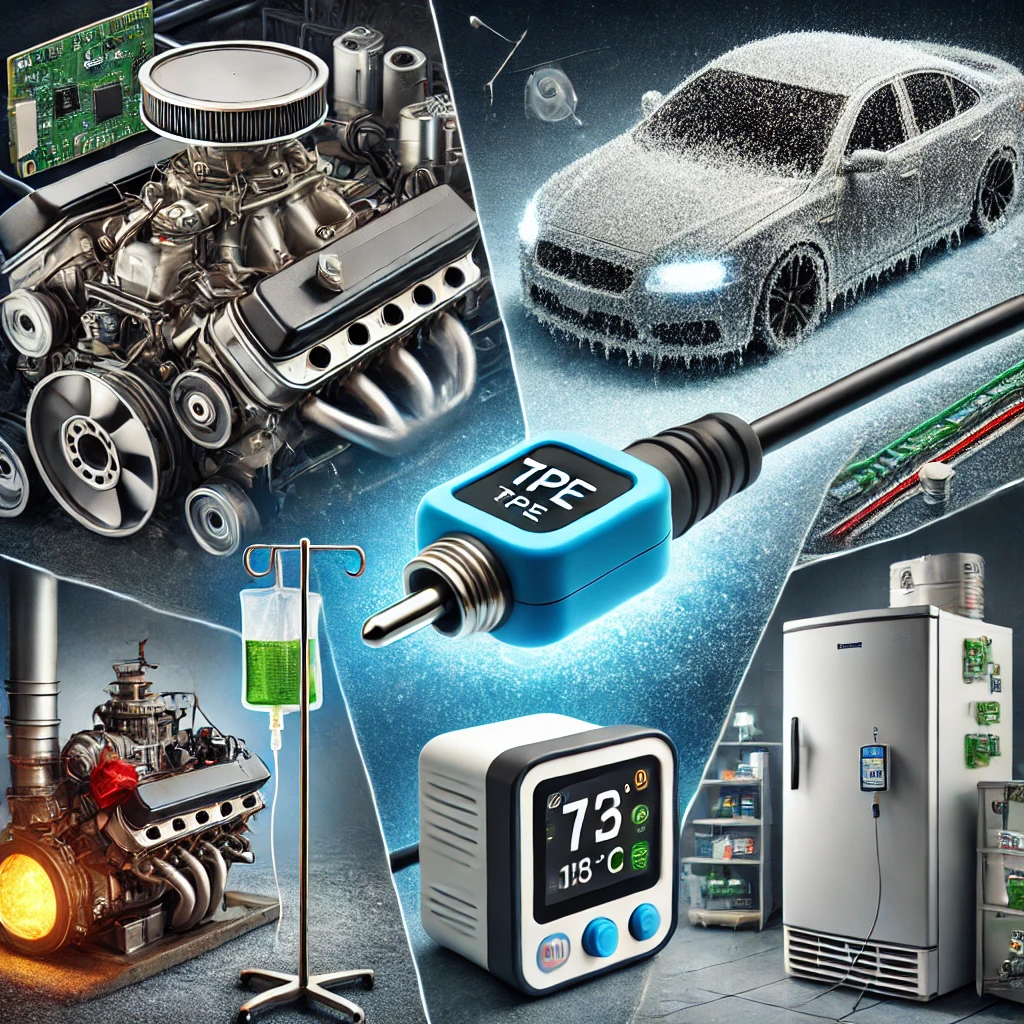
TPE Sensors: A Versatile Solution for Automotive, Medical, Industrial, and Refrigeration Applications

In today’s technological world, temperature sensors play a crucial role across a wide range of industries. From automotive manufacturing to medical devices, industrial processes, and even refrigeration systems, the need for accurate temperature measurements is indispensable. This blog post explores the importance of temperature sensors with specific characteristics in these industries, with a focus on Thermoplastic Elastomer (TPE) sensors designed for automotive, medical, industrial, and refrigeration applications. 1. Automotive Applications: The automotive industry heavily relies on temperature sensors to monitor and control various components’ temperatures. TPE sensors offer several advantages for automotive applications: Chemical Resistance: Their excellent resistance to chemical

Applications of KTY Temperature Sensors in the Automotive Industry

The automotive industry has seen remarkable technological advancements in recent years, and temperature control and monitoring have become increasingly crucial for ensuring the optimal performance of vehicles. Effective thermal management is vital to maintain safety, performance, and passenger comfort. Among the key components used in temperature measurement are KTY temperature sensors, which provide accurate and reliable readings across various automotive applications. In this post, we explore the diverse applications of KTY temperature sensors in the automotive sector, their importance, and how manufacturers like StarLight Sensors are supporting this growing demand. The Expanding Applications of KTY Temperature Sensors in the Automotive

Mastering the Art of Cooking with Smart Meat Thermometers

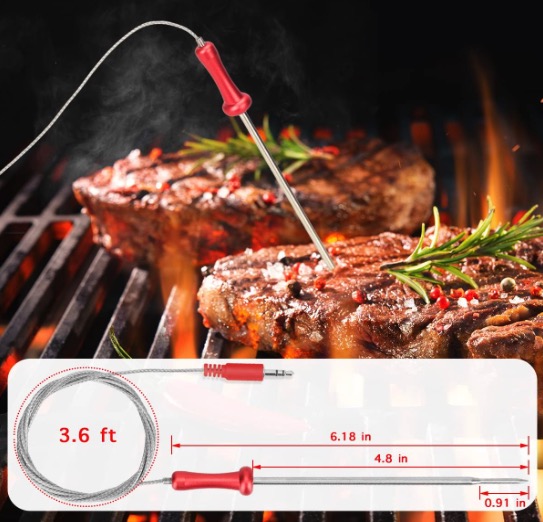
Imagine dedicating your entire day to preparing the perfect holiday feast, only to discover that the star of your meal—the roast—is either overcooked or underdone. It’s a common culinary mishap that can turn a festive gathering into a food disaster. This is where smart meat thermometers with wireless Bluetooth connectivity step in, revolutionizing how we cook and ensuring that every bite is flawless. The Importance of Precision in Cooking From Guesswork to Science Gone are the days of relying on intuition or sticking a finger near the heat source to judge if the meat is done. Smart meat thermometers equipped

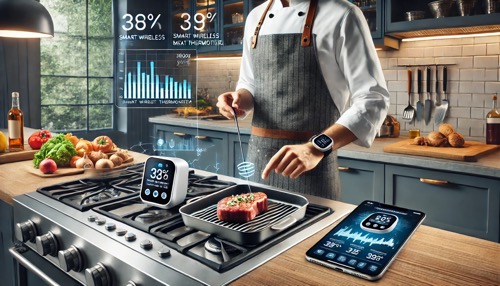
The Rise of Smart Wireless Meat Thermometers: Precision Cooking at Its Finest

For food enthusiasts and culinary connoisseurs alike, perfecting a dish often begins and ends with precise temperature control. Whether you’re a professional chef or an amateur cook, hitting the right temperature is crucial to achieving the perfect meal. In the world of precision cooking, smart wireless meat thermometers have emerged as indispensable tools, ensuring that every meal is cooked to perfection. These devices, equipped with advanced thermal technology, thermistors, and high-precision temperature sensors, have revolutionized how we monitor and manage the cooking process. Let’s explore how they’re transforming kitchens everywhere. The Evolution of Meat Thermometers Why the Shift Toward Smart

The Electronic Component Industry Trends: Shaping the Future of Technology

In the heart of every technological marvel, from smartphones to industrial machines, lies a complex web of electronic components. These tiny yet powerful entities are the building blocks of our digital world. As we stand on the brink of a new era, the electronic component industry is undergoing a transformation that is both exciting and challenging. Whether you’re a tech enthusiast, an industry professional, or simply curious about the future, the trends shaping this industry are nothing short of fascinating. The Pulse of Progress: An Overview The rapid evolution of technology has put the electronic component industry at the forefront

Understanding the Critical Role of Electrical Parts: Focus on Thermistors and Temperature Sensors by StarLight Sensor

In an age where technology drives innovation and daily life, the importance of electrical parts cannot be overstated. From the simplest gadgets to complex machinery, every electronic device relies on these components to function. Imagine a world without smartphones, computers, or even household appliances—our lives would be drastically different. Understanding the role of electrical parts, particularly thermal components, thermistors, and temperature sensors, not only enhances our appreciation of technology but also informs smarter purchasing and design decisions. What Are Electrical Parts? Electrical parts refer to the various components that make up electrical circuits and systems. These parts are crucial in

Shopping Cart
Scroll to Top
Scroll to Top