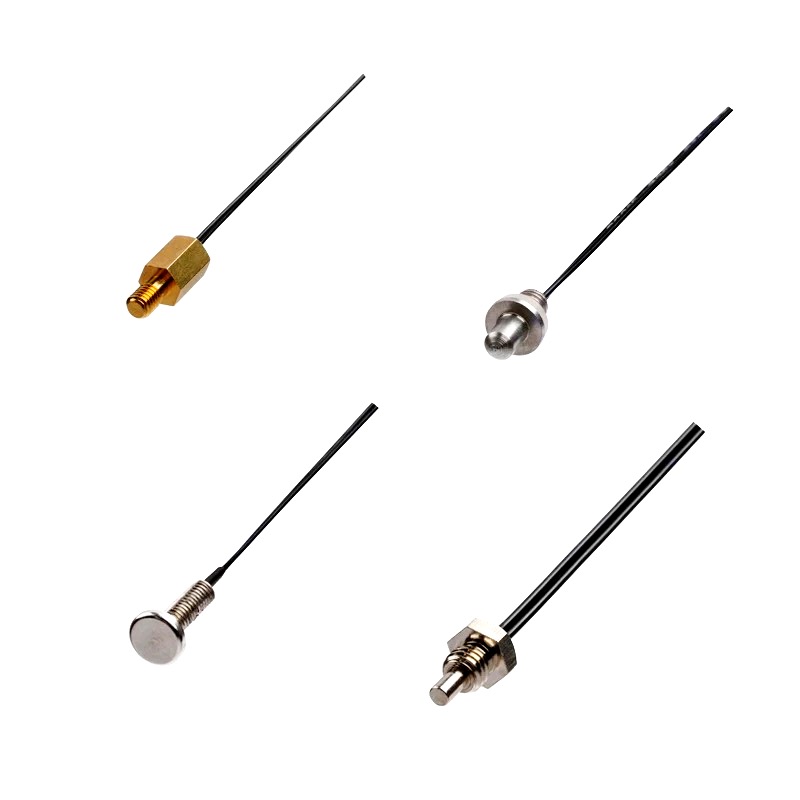
10 kΩ NTC at 25°C: R25 & Datasheet Selection Guide
Learn what 10 kΩ at 25°C means for an NTC thermistor. Check the exact R25, resistance curve, tolerance, circuit fit and OEM probe requirements in the datasheet.
Learn what 10 kΩ at 25°C means for an NTC thermistor. Check the exact R25, resistance curve, tolerance, circuit fit and OEM probe requirements in the datasheet.
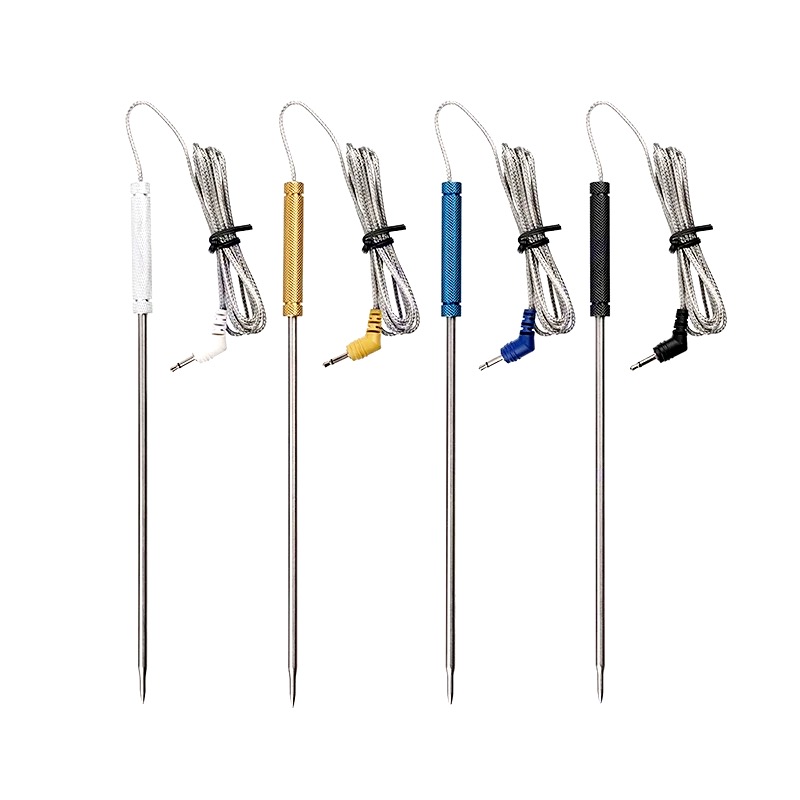
NTC Thermistor 10K 1 – A Comprehensive Guide NTC Thermistor 10K 1 – A Comprehensive Guide Article Summary: Introduction What is NTC Thermistor? Working Principle Applications Advantages and Disadvantages Introduction Welcome to our comprehensive guide on NTC thermistor 10K 1. In this article, we will explore what NTC thermistors are, how they work, their applications, and the advantages and disadvantages they offer. NTC thermistors play a crucial role in many electronic devices and temperature sensing applications. Let’s dive in and learn more about them. What is NTC Thermistor? An NTC (Negative Temperature Coefficient) thermistor is a type of resistor whose
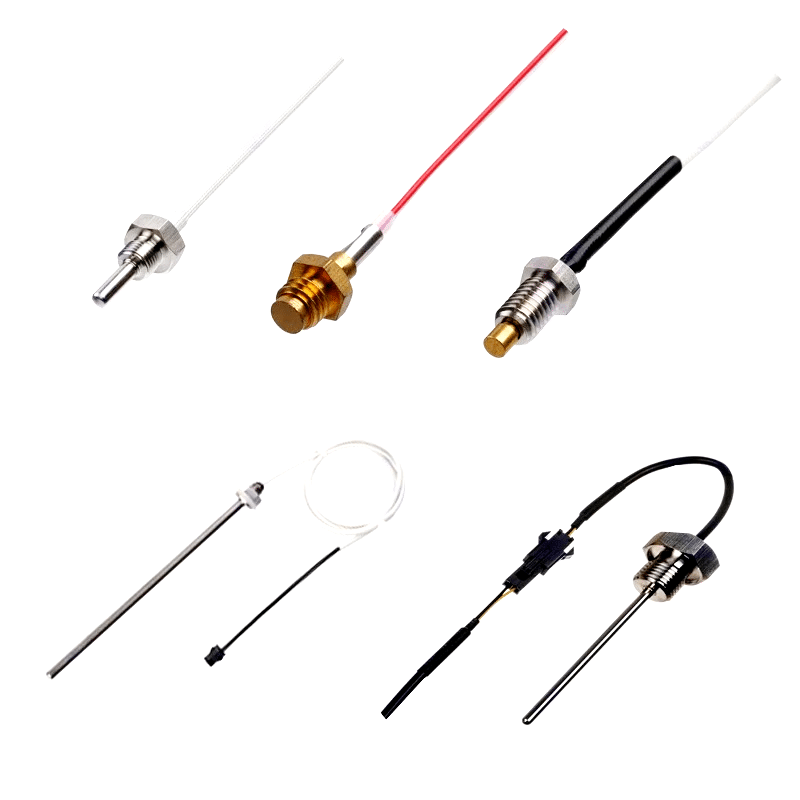
Quick summary “10D-20” is a supplier-specific marking; do not assume every manufacturer uses identical values or construction. Confirm rated resistance (R25), tolerance, B value, maximum current, thermal ratings, dimensions, and approvals in the exact part datasheet. Many low-ohm disc NTC parts are designed as inrush current limiters and self-heat in a circuit; they are not automatically suitable as accurate temperature probes. What does NTC 10D-20 mean? NTC means negative temperature coefficient: under the stated measurement conditions, resistance decreases as the thermistor’s temperature rises. “10D-20” is a part marking used by suppliers, not a complete universal specification. Some product families use
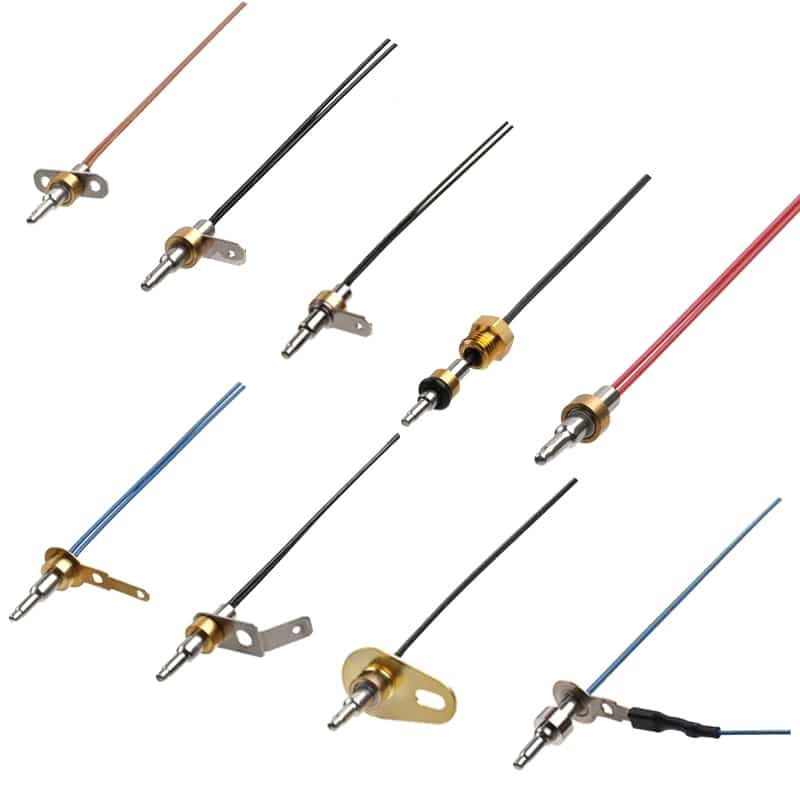
Identify an NTC thermistor from its full manufacturer part number and datasheet. Check resistance curve, ratings, component role and OEM probe requirements before selection.
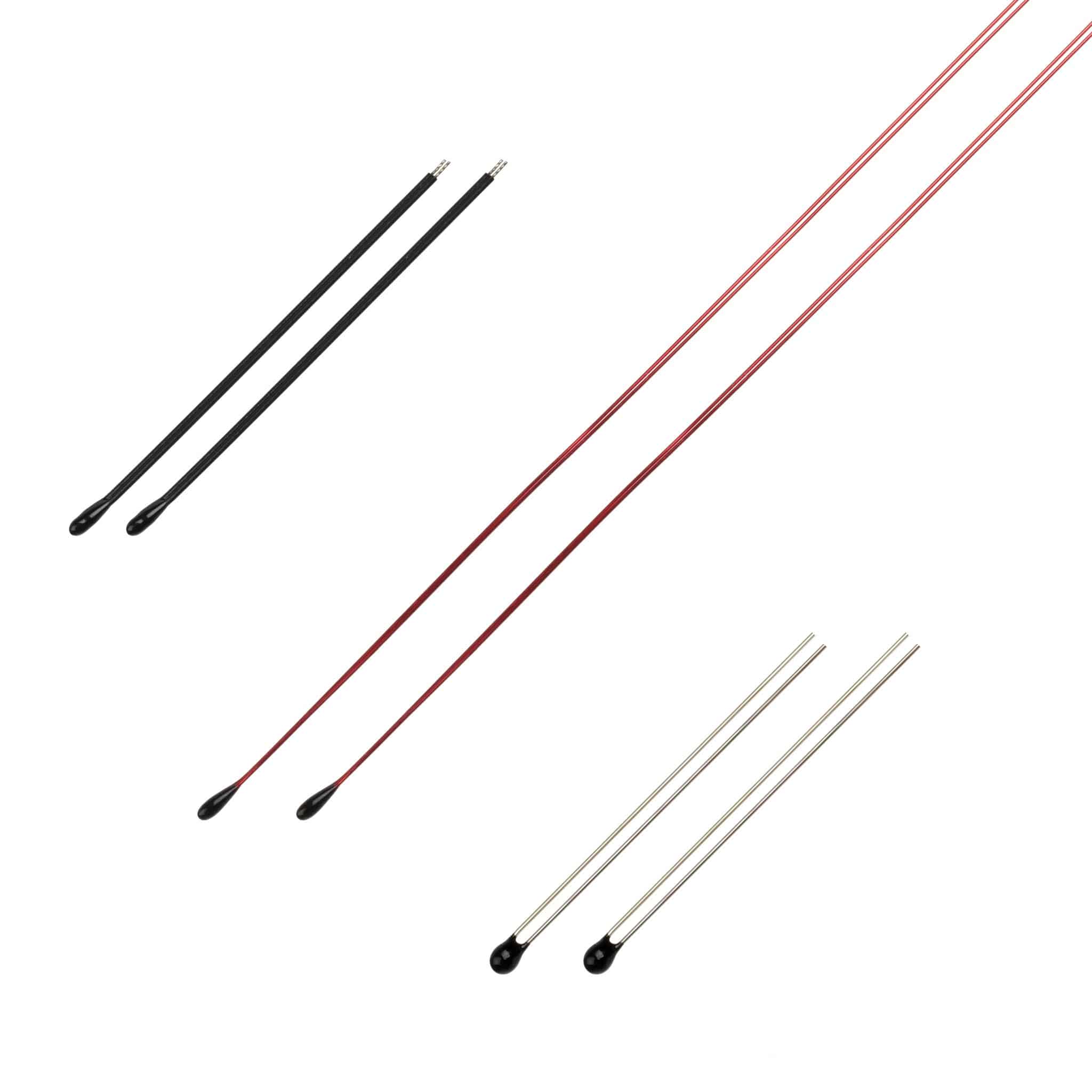
NTC Thermistor 10 Ohm – A Comprehensive Guide NTC Thermistor 10 Ohm – A Comprehensive Guide Table of Contents Introduction What is an NTC Thermistor? Applications of NTC Thermistors Advantages and Disadvantages Conclusion Introduction Welcome to our comprehensive guide on NTC thermistors with a resistance of 10 ohms. In this article, we will explore the various aspects of NTC thermistors, their applications, and the advantages and disadvantages associated with them. What is an NTC Thermistor? In simple terms, an NTC (Negative Temperature Coefficient) thermistor is a type of resistor whose resistance decreases as the temperature increases. The “NTC thermistor 10

Selecting a 6k8 NTC thermistor? Verify reference temperature, model-specific R/T data, tolerance, circuit and probe requirements for your OEM application.
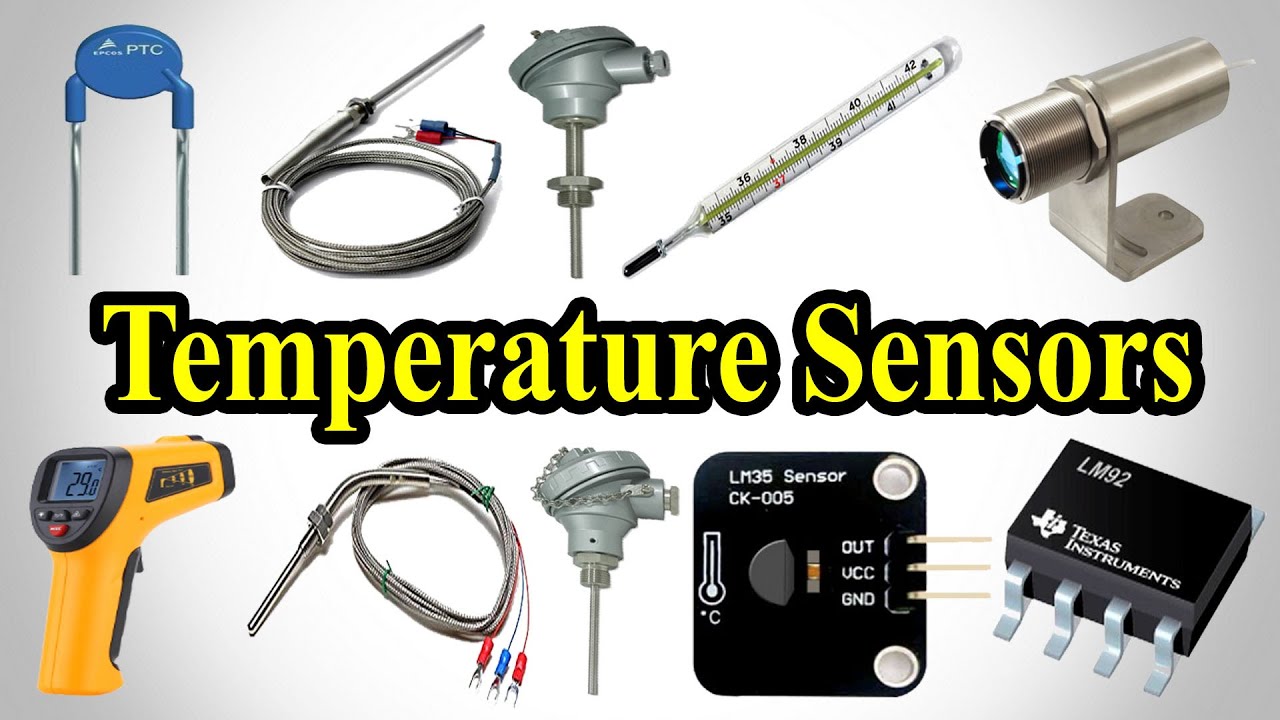
An OEM guide to specifying a 5 kΩ NTC thermistor: reference resistance, B value, R/T curve, operating limits, assembly details, and RFQ requirements.

NTC Thermistor 5k Ohm – A Comprehensive Guide NTC Thermistor 5k Ohm – A Comprehensive Guide Table of Contents Introduction How Does an NTC Thermistor Work? Applications of NTC Thermistors Advantages and Disadvantages Conclusion Introduction Welcome to our comprehensive guide on NTC thermistors with a resistance of 5k ohms. If you are searching for information about NTC thermistors, you have come to the right place! NTC thermistors, short for Negative Temperature Coefficient thermistors, are temperature-sensitive resistors that exhibit a decrease in resistance with an increase in temperature. In this article, we will explore how NTC thermistors work, their various applications,
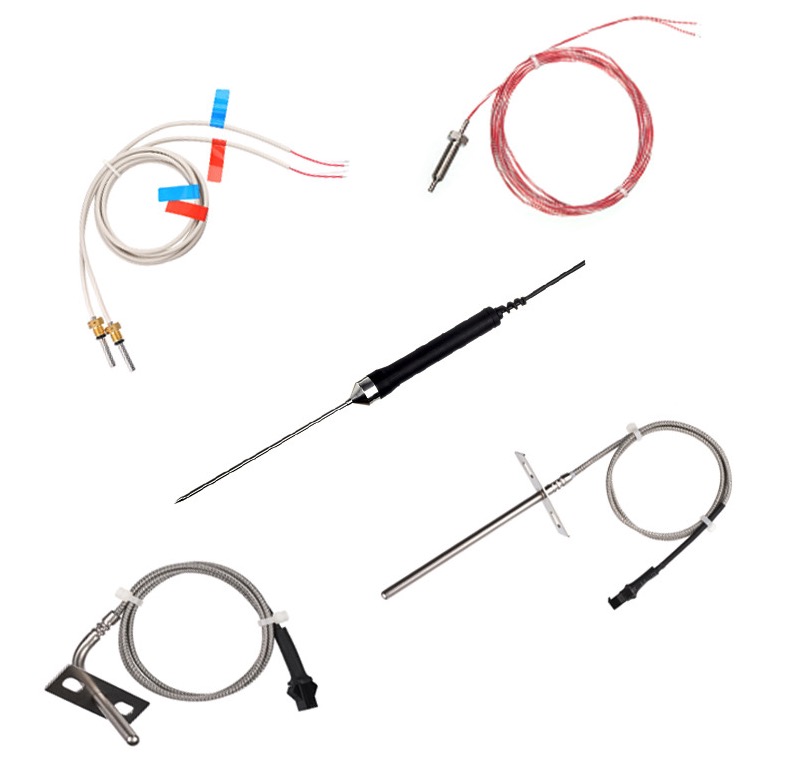
A “5K” NTC thermistor label usually refers to a nominal resistance of about 5 kΩ at a stated reference temperature. The resistance value alone does not identify a complete component: confirm the exact part number and its manufacturer datasheet before comparing devices or designing a measurement circuit. What to check in a 5K NTC datasheet Nominal resistance and reference temperature: Check whether the 5 kΩ value is specified at 25°C or another temperature, and note the stated tolerance. Resistance–temperature data: Use the table or curve for the exact model. Do not assume two thermistors with the same nominal resistance share
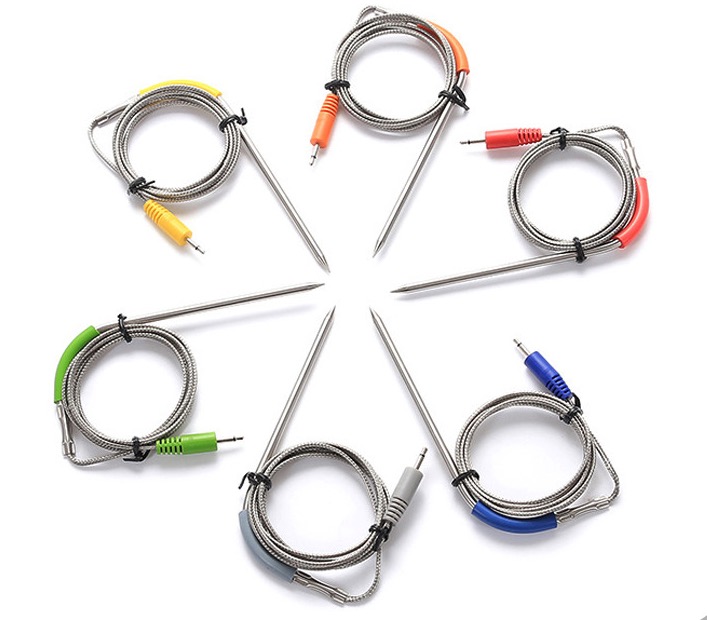
An NTC marked 5D-9 may be an inrush-current limiter, not a measurement probe. Verify the exact manufacturer datasheet, ratings, circuit and application before selection.
