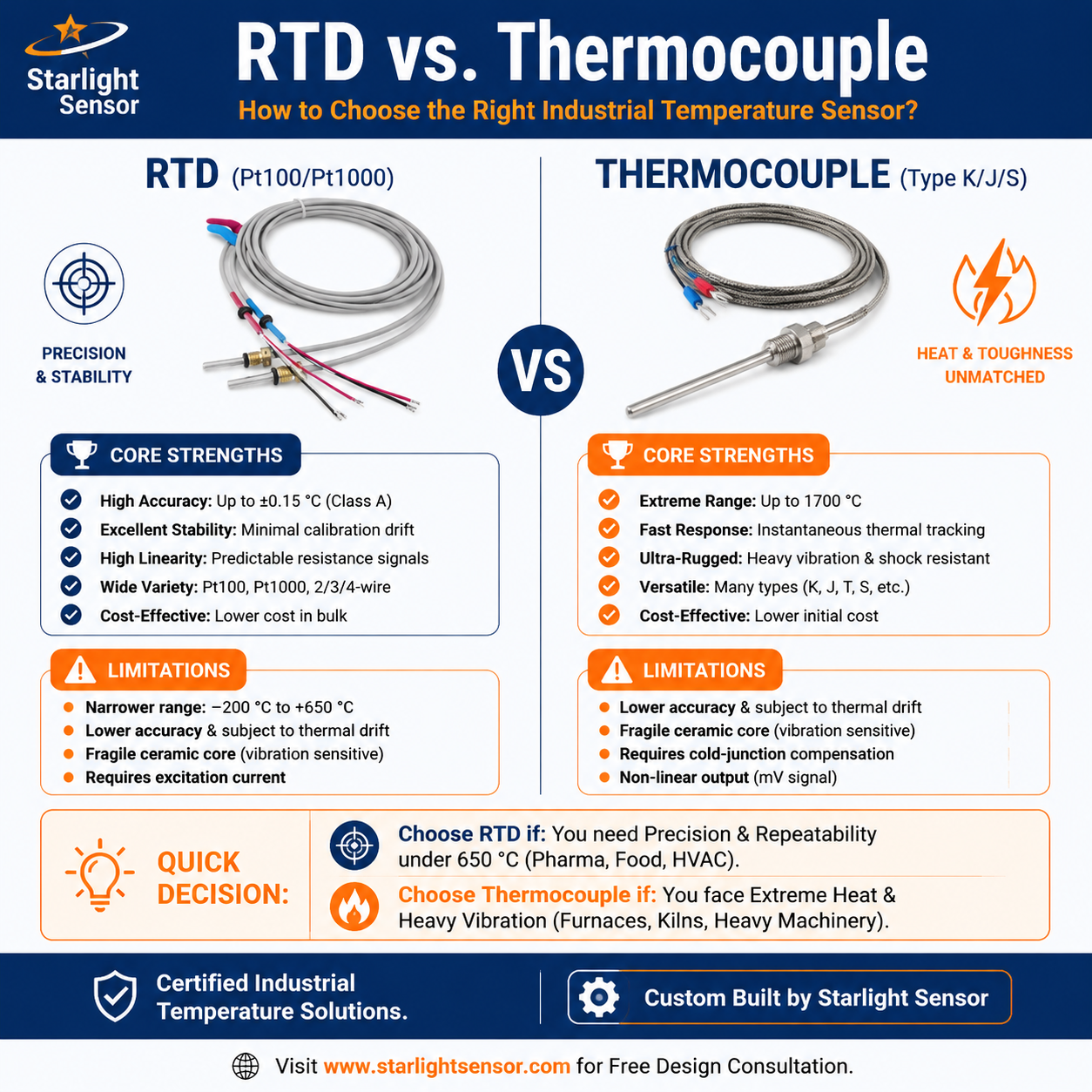
Introduction: Pt sensors ensure highly accurate temperature readings within ±0.1°C, enhancing billing precision and durability in home heat meters operating up to 16 bar and 105°C.
In everyday home heating systems, temperature measurements often seem routine, yet even slight inaccuracies can ripple into inefficient energy use or faulty billing. Many homeowners and technicians identify a subtle gap in their heat metering precision, causing them to seek better temperature sensing solutions. This is where pt sensors come into play, addressing the inefficiencies in conventional setups by offering reliable and precise temperature readings. A reputed pt sensors suppleir, like Starlightsensors, introduces a platinum resistance temperature sensor specifically designed to elevate the accuracy and durability needed in residential heat meters, bridging the workflow gap between raw temperature data and meaningful heat consumption insights.
Precision and stability of PT sensors in residential temperature monitoring
Accurate temperature measurement is crucial in home heat meters, where even minor deviations can affect billing accuracy and energy optimization. Pt sensors, especially those using platinum resistance elements, are prized for their exceptional precision and stable performance over prolonged periods. The platinum element’s resistance changes predictably with temperature shifts, offering consistent readings that meet stringent standards such as Chinese CJ 128-2007 and European EN 1434. This reliability is vital in home heating contexts, where temperature control translates directly into comfort levels and operational costs. Unlike many generic temperature sensors, pt sensors supplied by expert manufacturers feature paired probes, each carefully calibrated to maintain an error margin within ±0.1°C. This level of consistency ensures that temperature monitoring aligns perfectly with real-world heat flow, preventing common issues like inflated bills or inefficient heating schedules. For homeowners and technicians relying on these measurements, the stable feedback loops enabled by high-quality pt sensors reinforce better decision-making and effective maintenance routines. The choice of a trusted pt sensors suppleir, dedicated to upholding quality and accuracy, ensures these benefits remain consistent throughout the sensor’s lifespan.
The role of stainless steel and copper in sensor durability and safety
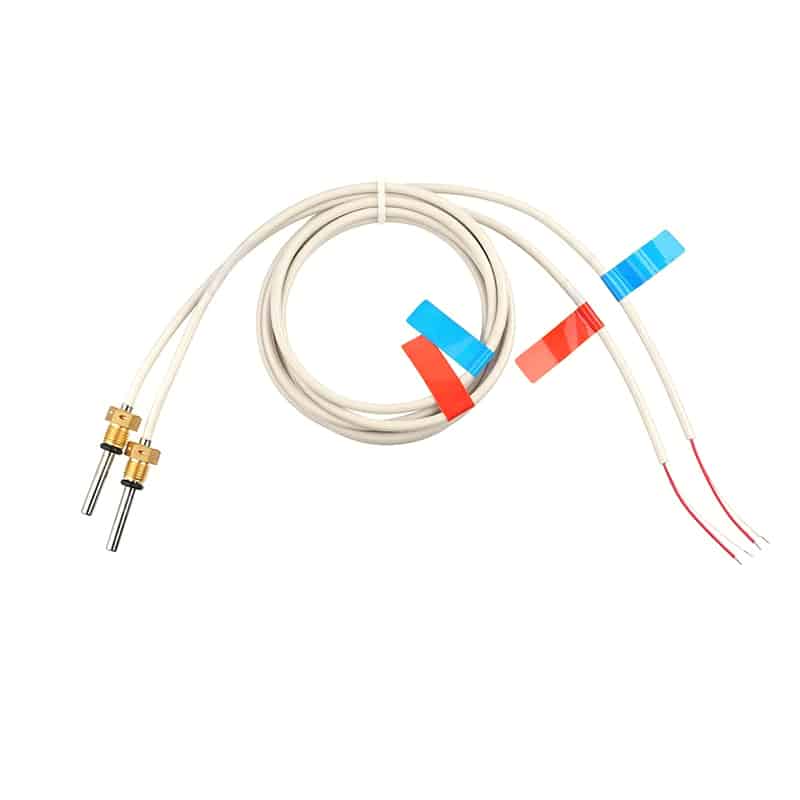
A sensor’s design and material composition often dictate its longevity and reliability, especially in the demanding conditions of home heating systems. Pt sensors manufactured by a reputable pt sensors suppleir frequently utilize food-grade 304 stainless steel tubes combined with movable copper nut connections, a pairing that balances robust protection and effective conductivity. The stainless steel encasement guards sensitive internal components from moisture, corrosion, and physical damage, ensuring the sensor’s resistance to harsh environments commonly seen in water-based heating meters. Copper, known for its excellent thermal conductivity, facilitates optimal temperature transfer from the medium to the sensing element, enhancing the sensor’s responsiveness and accuracy. This smart combination also upholds user safety, as these materials comply with high-quality standards and resist chemical reactions that might otherwise contaminate drinking water or heating fluids. When heating systems operate under pressures up to 16 bar and temperatures reaching 105°C, these durable materials maintain structural integrity without degrading performance. Homeowners benefit from this thoughtful engineering through reduced sensor failure rates and prolonged device lifespans, a testament to the attention a skilled pt sensors suppleir pays to both form and function in their products.
How color-coded probe pairs prevent installation errors in heat meters
Installation errors in heat metering systems can lead to costly misreadings and compromise the entire heating management process. Recognizing this challenge, a reputed pt sensors suppleir introduces a simple yet effective solution: color-coded probe pairs. Each pair is marked distinctly, typically with red and blue ends designating upper and lower water temperature probes, respectively. This straightforward visual guide significantly reduces the risk of reversing or misplacing temperature probes during installation or maintenance. Accurate probe placement is critical because it ensures that each temperature measurement corresponds to the correct water flow pathway, enabling the heat meter to calculate consumption precisely. For technicians and homeowners alike, this innovation minimizes confusion, streamlines installation processes, and cuts down on troubleshooting time. These color distinctions become especially valuable in complex or compact heat meter setups, where clear identification of probe orientation speeds up prevention of costly errors. By integrating this user-friendly system, a pt sensors suppleir not only enhances accuracy but also fosters confidence in the technology’s ease of use, supporting precise temperature tracking across various residential heating configurations.
When precision matters most, pt sensors hold a quiet yet essential role in refining heat measurement within homes. Their stable and accurate platinum resistance elements paired with intelligent design choices, such as stainless steel and copper materials and color-coded probes, reduce uncertainty and hassle in daily operations. If you depend on reliable temperature data for your heat metering, choosing sensors from a trusted pt sensors suppleir ensures ongoing comfort, safety, and accuracy. The durability provided by quality materials and the prevention of installation errors through color coding combine to keep residential heating systems running smoothly now and into the future.
References
- Platinum Resistance Temperature Sensor For Heat Meter– Heat meter temperature sensor
- PT100, PT200, PT1000 Measure Instruments Platinum Resistance Temperature Sensor– Platinum resistance temperature sensor
- Motor PT100 PT1000 Platinum Resistance Temperature Sensor– Motor temperature sensor
- PT1000 Thermocouple Temperature Sensor– High-precision PT1000 sensor
- MF58D Thermistor– Reliable NTC temperature sensor