
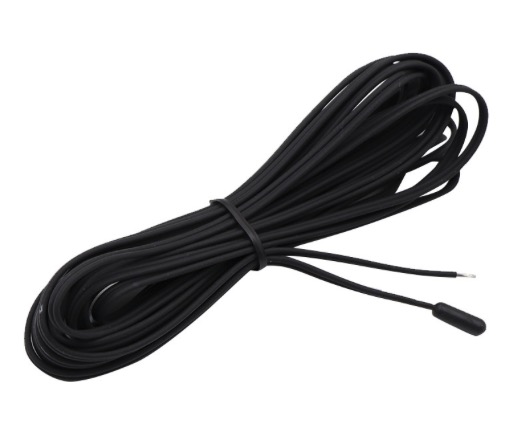
Starlight Sensors manufactures custom refrigeration defrost temperature sensors for evaporators, cold rooms, freezers, display cabinets, ice machines, HVAC/R systems and temperature control equipment.
A defrost temperature sensor is used to monitor evaporator or pipe temperature and support stable defrost control. In refrigeration environments, the sensor structure must match the real working conditions, including low temperature, condensation, frost, moisture, cable routing, sealing method and connector type.
If you are selecting or replacing a refrigeration defrost sensor, our engineering team can review your working conditions, drawing or sample and suggest a suitable NTC probe structure.
NTC Defrost Sensor for Refrigeration Systems
NTC thermistor sensors are widely used in refrigeration and HVAC/R control systems because they provide stable resistance-temperature feedback for electronic controllers.
In a defrost control system, the sensor is usually installed near the evaporator coil, pipe surface, cabinet wall or air duct. The controller uses the temperature signal to determine defrost timing, prevent icing problems and protect refrigeration performance.
Typical Applications
Custom refrigeration defrost temperature sensors can be used in:
- Commercial refrigerators
- Freezers
- Cold rooms
- Display cabinets
- Ice machines
- Refrigerated transport equipment
- Evaporator defrost control
- HVAC/R control systems
- Temperature controllers
- Refrigeration spare parts
Customizable Parameters
Starlight Sensors supports customization based on your controller, installation method and refrigeration environment.
Key parameters include:
- NTC resistance value, such as 10K, 50K or 100K
- B value according to control board requirements
- Resistance tolerance
- Operating temperature range
- Probe diameter and length
- Stainless steel, copper or brass housing
- Waterproof sealing structure
- Cable length
- Cable insulation material
- Connector or terminal type
- Pipe clip or mounting method
Waterproof Probe Structure
Refrigeration sensors often work in environments with condensation, frost and repeated temperature cycling. A suitable waterproof structure helps prevent moisture ingress, unstable resistance readings and long-term sensor failure.
Common structure options include:
- Stainless steel probe housing
- Epoxy sealed probe tip
- Heat shrink protection
- Waterproof cable connection
- PVC or silicone cable
- Customized connector
- Pipe clip or mounting bracket
How to Select a Defrost Temperature Sensor
Before selecting a refrigeration defrost temperature sensor, it is useful to confirm:
- Where will the sensor be installed?
- Is it measuring evaporator, pipe, air or cabinet temperature?
- What is the required temperature range?
- What NTC resistance and B value does the controller require?
- Does the sensor need waterproof or moisture-resistant sealing?
- What cable length is required?
- What connector or terminal type is used?
- Is there an existing drawing or sample?
- What quantity is required for testing or production?
These details help avoid sensor mismatch, unstable defrost control, slow response or long-term failure caused by moisture.
Technical Specification Reference
| Item | Custom Options |
|---|---|
| Sensor type | NTC thermistor |
| Application | Refrigeration, HVAC/R, defrost control |
| R25 value | 10K, 50K, 100K or customized |
| B value | Customized according to controller |
| Tolerance | ±1%, ±2%, ±3%, ±5% or customized |
| Housing | Stainless steel, copper, brass or customized |
| Cable | PVC, silicone or other insulation material |
| Structure | Waterproof sealed probe |
| Connector | Terminal, plastic connector or customized |
| Installation | Evaporator, pipe, cabinet, air duct |
Request a Custom Defrost Sensor
Please share your refrigeration system type, installation position, temperature range, NTC value, cable length and connector requirement. We can help review the sensor structure and provide a suitable defrost temperature sensor for testing or production.